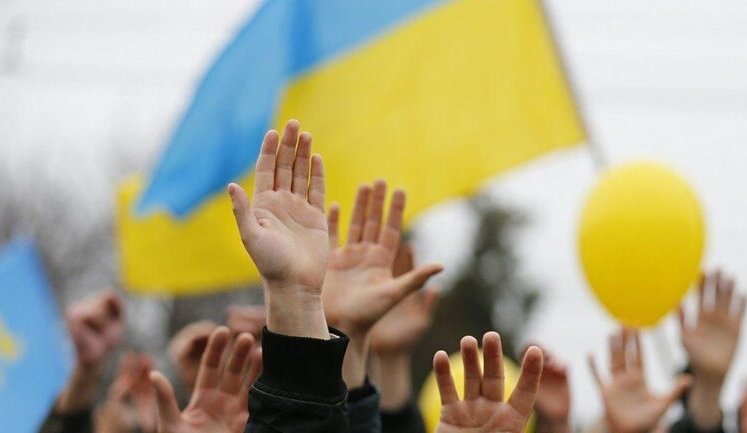
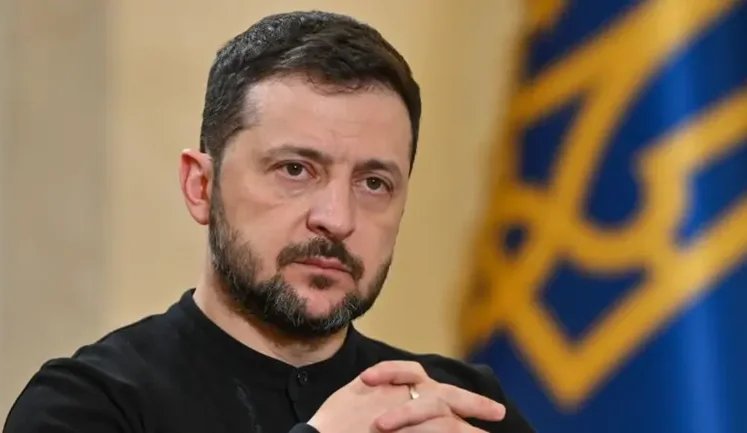
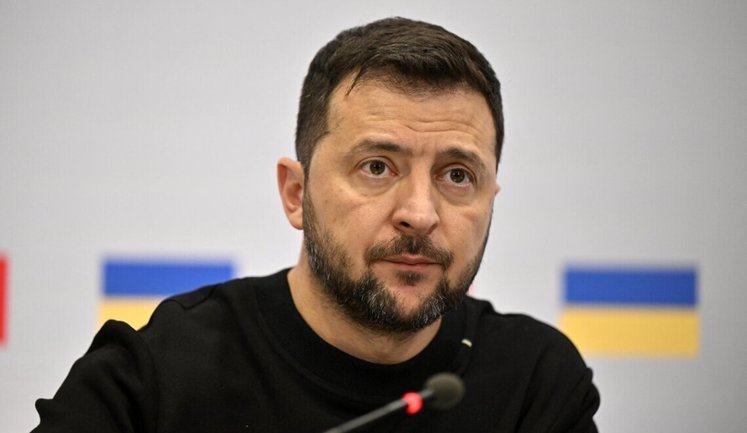
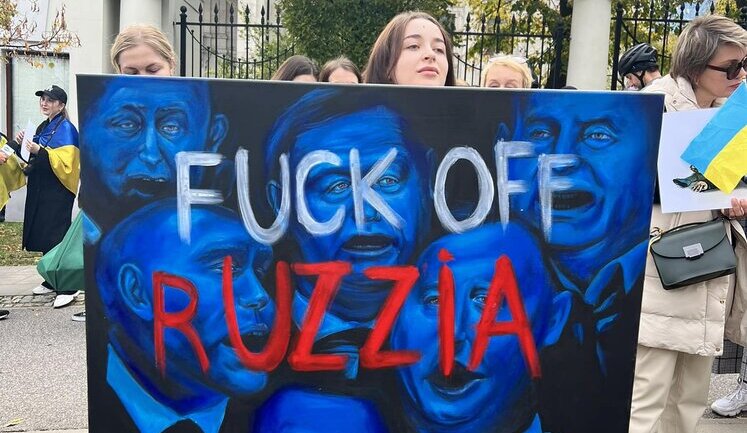
In recent developments, President Zelenskyy expressed his willingness to hold a referendum on a U.S. peace plan, contingent upon a Russian ceasefire agreement. This proposal, focusing on the democratic process, emphasizes that Ukrainian citizens, including those abroad, should have a voice in pivotal political decisions. Russia has shown resistance towards a ceasefire, complicating the pathway to a potential peaceful resolution. This situation underscores the importance of diplomacy and the referendum in securing Ukraine's sovereignty. Meanwhile, political dynamics are intensified by international actors' responses, as the European Commission termed Hungary's polls on Ukraine's EU membership an internal matter.
Why does Russia oppose the Ukrainian referendum?
Russia's opposition largely stems from its unwillingness to establish a ceasefire, which is a prerequisite for conducting a peaceful referendum. The referendum represents a significant diplomatic step for Ukraine in determining its own peace plan, threatening Moscow's influence over the region and challenging its geopolitical agenda.
How is the Ukrainian government planning to include citizens abroad in the referendum?
President Zelenskyy has outlined mechanisms to ensure that Ukrainians abroad can participate in the referendum. The emphasis is on inclusivity and ensuring that every citizen can contribute to democratic decisions that impact the nation's future, reinforcing the principle that the land belongs to all the people, not just a select few.
What conditions has President Zelenskyy set for holding a referendum?
President Zelenskyy has specified that a ceasefire secured for at least 60 days is essential. This condition aims to provide a stable and safe environment to conduct the referendum, ensuring that participants can freely express their political will without fear of ongoing military aggression or interference.
What role does international opinion play in Ukraine's referendum process?
International opinion is crucial in Ukraine's referendum process. Support or acknowledgment from global powers and international organizations can influence leverage in negotiations and add pressure on dissenting external forces, like Russia, to adhere to proposed ceasefire agreements, enhancing peace efforts.
Could the referendum lead to peace in Ukraine?
The Ukrainian referendum, if successful and accompanied by a sustainable ceasefire, could pave the way for peace. It holds the potential to legitimize and endorse a peace plan democratically, presenting a unified front against aggression and fostering diplomatic relations on the international stage.
What implications could a nationwide referendum have for Ukraine's territorial integrity?
A nationwide referendum could reinforce Ukraine's territorial claims and sovereignty, especially if the issue directly addresses peace and territorial integrity. It asserts domestic consensus, which might subsequently diminish external attempts to manipulate or annex Ukrainian regions.
Has Russia considered a ceasefire to facilitate the referendum?
While there have been discussions, Russia has been resistant to agreeing to a ceasefire, viewing it as a leverage point against Ukraine's push for sovereignty. However, there have been claims of temporary ceasefire considerations in certain negotiation contexts, highlighting complex geopolitical motives.