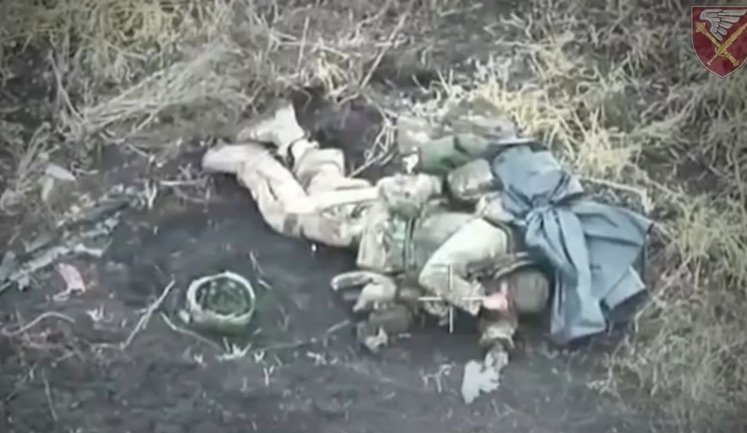
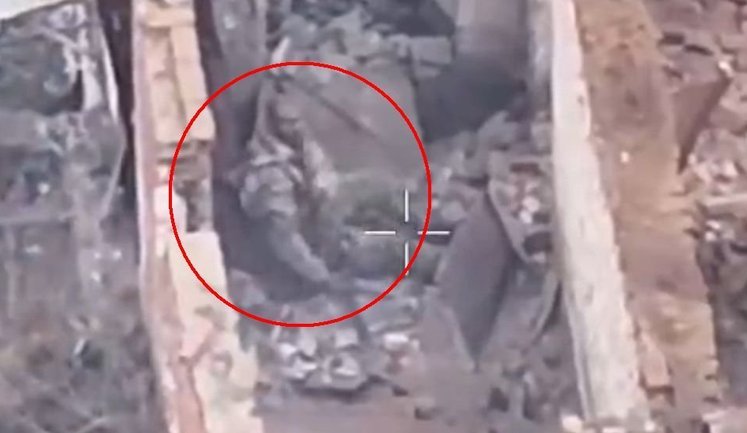
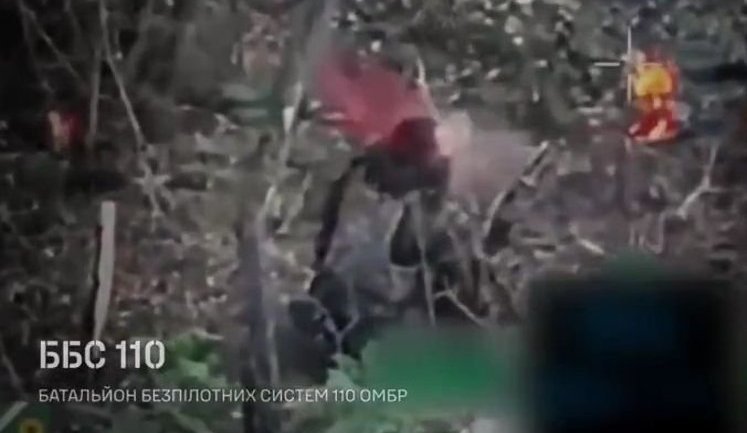
Amidst escalating tensions in Ukraine, a concerning rise in suicide cases among Russian forces is being documented. Videos have surfaced showing Russian occupiers resorting to self-destruction to avoid capture or further conflict, highlighting severe demoralization and fear of Ukrainian drones. Recent incidents include suicides executed with grenades, firearms, and even anti-personnel mines, recorded in various sectors such as Huliaipole and Vovchansk. These tragic acts reflect the psychological toll on soldiers confronted with the overwhelming pressure of modern warfare, revealing a complex mix of despair and fear that has pervaded Russian ranks. The recurring theme suggests a widespread issue of low morale and psychological distress among troops, raising urgent concerns for military command and humanitarian undertakings.
What causes the increase in suicides among Russian soldiers?
Factors contributing to the rise in suicides among Russian soldiers include severe psychological stress, demoralization, and fear of facing advanced Ukrainian drones. The overwhelming battlefield conditions and pressure of avoiding capture lead soldiers to make tragic choices, suggesting a deep-rooted issue within military discipline and mental health support.
How are Ukrainian drones impacting Russian troop morale?
Ukrainian drones have significantly impacted Russian troop morale by instilling fear and demonstrating technological superiority. The drones' efficiency in reconnaissance and target acquisition has contributed to a heightened sense of vulnerability and despair among Russian forces, leading to several documented cases of suicide in reaction to drone encounters.
What patterns are observed in the suicide methods of Russian occupiers?
Russian occupiers exhibit patterns in their suicide methods, often opting for instantaneous or violent means such as using grenades or firearms. This suggests a preference for methods perceived as foolproof to avoid the potential for capture or prolonged suffering. The recurrence of such detailed methods points to a profound sense of hopelessness prevalent among the troops.
How does military leadership address mental health in conflict zones?
Military leadership often struggles to adequately address mental health in conflict zones due to operational priorities and logistical constraints. While some efforts exist to provide support, the persistent cases of suicide indicate significant gaps in mental health interventions and support systems within the Russian Armed Forces, necessitating urgent reforms and awareness measures.
What role does fear of captivity play in suicide cases among Russian soldiers?
Fear of captivity plays a critical role in suicide cases among Russian soldiers, who may perceive capture by enemy forces as a fate worse than death, or fear possible retribution upon return to their own ranks. This fear, combined with the psychological stress of warfare, compels many soldiers to choose suicide as a desperate means of escaping potential interrogation, torture, or dishonor.