Recent events in Ukraine and surrounding areas have revealed a series of controversial sex-related incidents involving occupiers and soldiers. From looting while disguised in women's clothing to the disturbing case of soldiers attempting to rape a fellow serviceman, these events paint a grim picture of misconduct. Additionally, undercover operations in Kyiv have seen law enforcement using unconventional methods to expose illegal brothels. These stories underscore the chaotic and often lawless environments present in conflict zones. Notably, the behavior of individuals labeled as "heroes" has raised public concern and questions about the impact of war on social norms and individual conduct.
What are some recent sex-related incidents involving occupiers?
Notable incidents include occupiers dressed in women's clothing looting homes, and disturbing cases of attempted rape among Russian servicemen. These events highlight issues of misconduct and exploitation in conflict areas.
How did Kyiv police use unconventional methods to address illegal brothels?
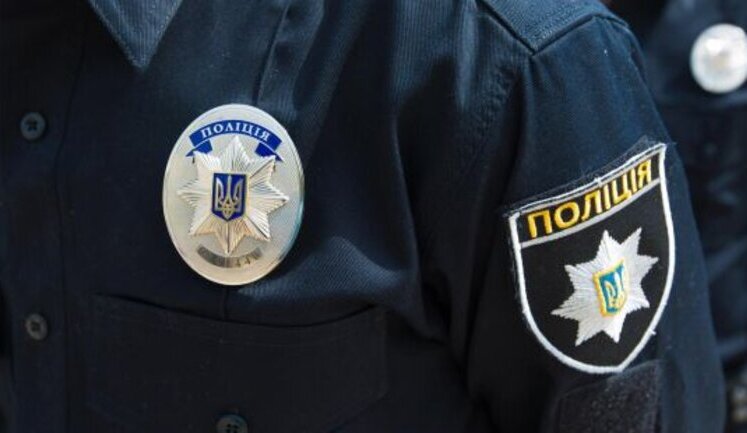
As part of an investigative experiment, Kyiv police officers reportedly used the services of sex workers to gather evidence and expose illegal brothels, raising ethical questions about law enforcement tactics in such cases.
What behaviors have been exhibited by so-called "heroes" in conflict zones?
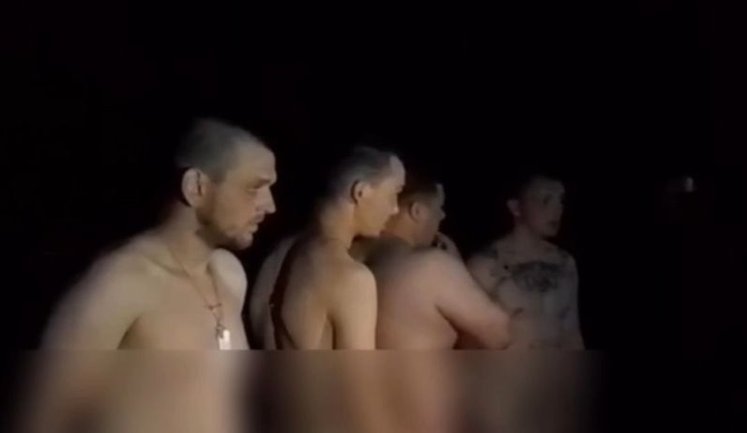
Some individuals labeled as "heroes" have displayed troubling behavior, such as appearing naked in public, engaging in lewd acts, and showing aggression, indicating potential impacts of conflict stress on mental health.
How have social norms been challenged in conflict zones due to these incidents?
The reported incidents challenge social norms by showcasing acts of sexual misconduct, exploitation, and public indecency, reflecting the chaotic and stressful environments soldiers and civilians navigate in conflict zones.
What impact do these events have on perceptions of the military?
These events can tarnish the reputation of military forces, leading to skepticism about discipline and behavior among troops, and potentially influencing public opinion on military involvement in conflict regions.