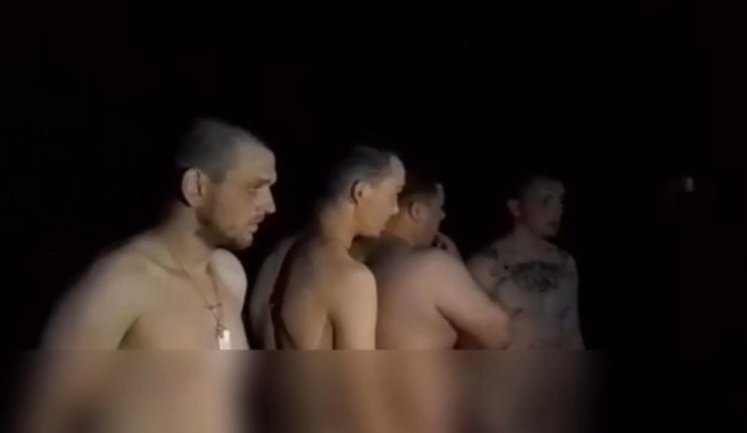
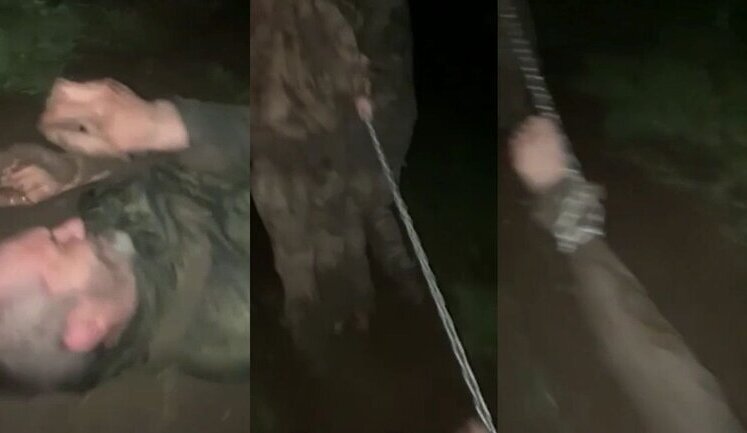
Recent reports have highlighted severe abuse and beatings within the Russian army. Videos reveal disturbing practices, including forcing soldiers into pits and coercing them into fights to the death. In one incident, a commander of the 247th Guards Air Assault threatened subordinates to sleep with each other as a form of punishment, highlighting mistreatment and abuse. Another shocking video shows occupiers burying a fellow soldier up to his neck for failing to follow orders, calling this a form of discipline. These reports underscore systemic abuse within the military ranks, raising grave concerns about the wellbeing and treatment of Russian soldiers. Keywords associated with these occurrences include abuse, beatings, Russian army, and mistreatment.
What evidence is there of abuse in the Russian army?
There are multiple videos online showing Russian army members enduring various forms of abuse. These include being buried up to their necks, forced into combat pits, and subjected to public humiliation for failing to follow orders. These video evidences corroborate widespread abuse and beatings within the ranks.
Are there specific regiments involved in these abusive practices?
Yes, specific regiments have been identified in cases of abuse and beatings. Some examples include the 247th Guards Air Assault which has been reported for aggression towards subordinates. The 54th Motorized Rifle Regiment is noted for dragging deserters, while Russian occupiers from other units have also shown engagement in similar abusive actions.
What forms of punishment are reported in the Russian army?
Reported forms of punishment within the Russian army include threats of death matches, burial up to the neck, physical beatings, and public humiliation. These practices reflect grave human rights violations and raise concerns about institutional abuse in the military sector.
How does the abuse affect soldiers in the Russian army?
Abusive practices within the Russian army can have severe impacts on soldiers, including physical injury, mental trauma, and decreased morale. Such environment fosters fear and oppression rather than discipline, potentially reducing operational effectiveness and tarnishing morale among troops.
What measures are being taken to address these abuses?
As of now, there have been limited reports on measures taken by Russian authorities to address abuse in the army. The release and circulation of these videos may increase international pressure and attention, pushing for reforms or interventions to curb these violations and seek justice for affected soldiers.
How are ex-convicts involved in the Russian army abuses?
Ex-convicts have been involved in the abuse within the Russian army as they have been seen in videos orchestrating or taking part in inhumane activities such as dragging deserters. Their involvement points to larger issues within the military recruitment and disciplinary systems.
What do the videos reveal about the culture in the Russian army?
The videos suggest a culture of brutality and coercion, with superiors using intimidation tactics and violent punishments to enforce authority. Such environment highlights the severe hierarchical and oppressive nature that seems to prevail within the Russian military, raising concerns about systemic cultural issues.