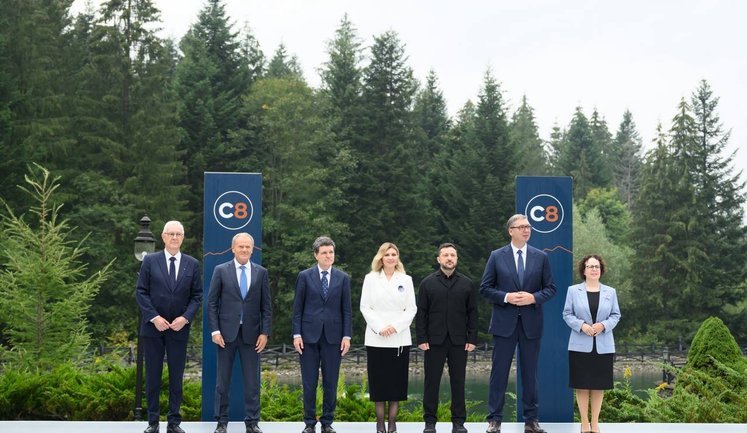
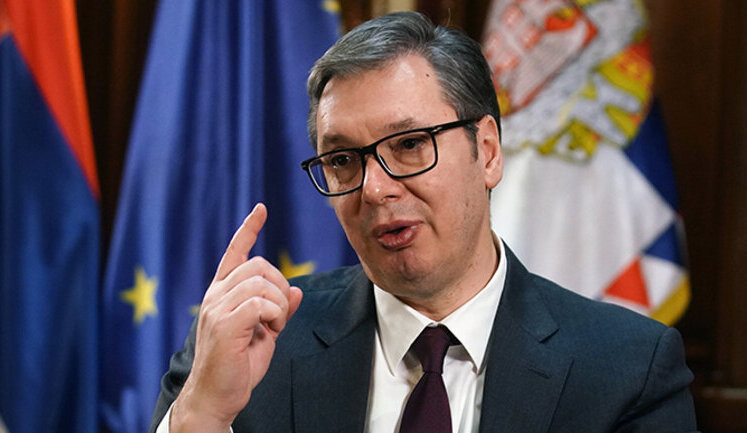
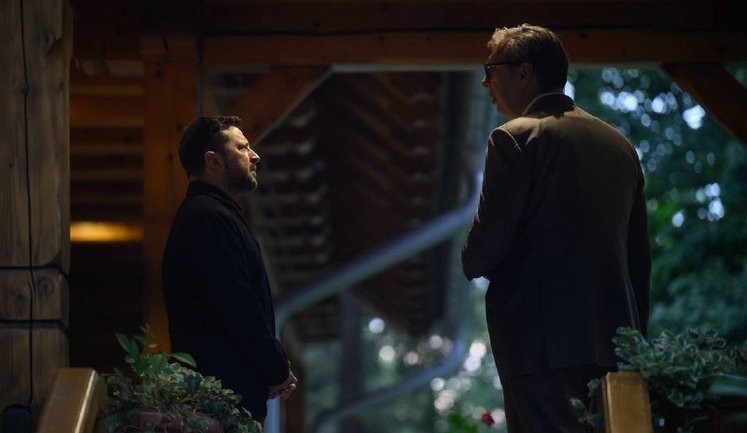
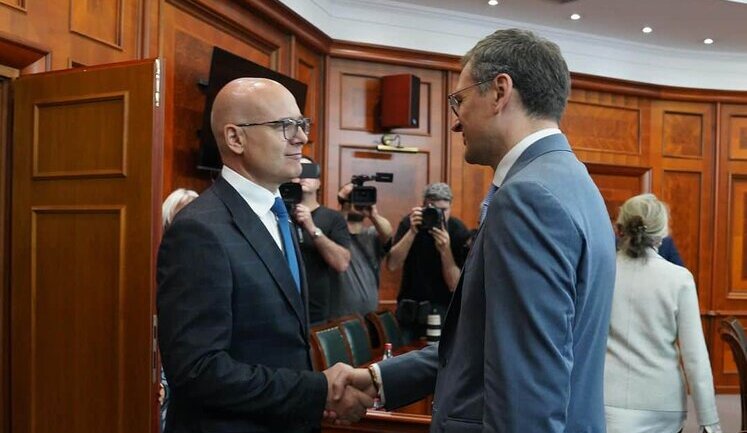
Serbia, under President Aleksandar Vučić, faces challenges in accelerating EU accession amidst the continuing conflict in Ukraine. Recent discussions with Ukraine's President Volodymyr Zelenskyy highlight Serbia's strategic position and intent to support Ukraine's EU aspirations. However, Serbia’s long-standing relations with Russia add layers of complexity. Vučić's commitment to maintaining military neutrality while participating in European discussions indicates a careful diplomatic balance. The European Union has, however, suspended its funding to Serbia over judiciary concerns, potentially impacting Serbia's EU trajectory. As Serbia navigates these geopolitical tensions, the path to EU membership remains uncertain.
What are Serbia's current challenges in joining the EU?
Serbia faces significant challenges in joining the European Union, primarily due to its foreign policy alignment issues. Serbian President Aleksandar Vučić has attempted to balance relations between the EU and Russia, impacting Serbia's accession talks. Furthermore, the EU has suspended financial aid to Serbia over concerns regarding its judicial reforms, adding another layer of complexity to Serbia's EU accession ambitions.
How does Serbia perceive its relations with Russia and the EU?
Serbia aims to cultivate strong relationships with both Russia and the EU. President Vučić has expressed a desire to join the EU while maintaining friendly ties with Russia. This diplomatic stance, however, puts Vučić in a tight spot, as the EU expects alignment with its foreign policy, particularly regarding the sanctions against Russia. This dual allegiance creates ongoing challenges in Serbia's geopolitical strategies.
How has the Ukraine conflict affected Serbia's international position?
The ongoing conflict in Ukraine places Serbia in a delicate position. While Serbia supports Ukraine's path to the EU, it simultaneously aligns with Russia on several fronts, resisting international pressure to impose sanctions. This stance complicates Serbia's EU accession talks as it strives to balance its traditional alliances with its European ambitions.
What role does President Vučić play in Serbia's current international relations strategy?
President Aleksandar Vučić is at the forefront of Serbia's international relations, navigating through complex diplomatic waters. He maintains a policy of military neutrality, striving to balance closer ties with the EU while preserving longstanding relations with Russia. His diplomatic maneuvers include engaging in high-level talks with Ukraine to support their EU goals, reflecting Serbia's nuanced foreign policy strategies.
What are the recent developments in Serbia's relations with Ukraine?
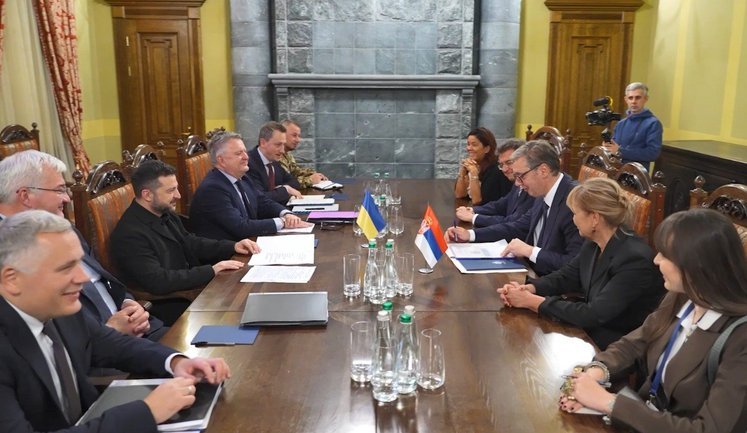
Serbia and Ukraine have recently strengthened diplomatic engagements, highlighted by President Vučić's talks with Ukrainian President Zelenskyy. The discussions centered on supporting Ukraine's EU membership aspirations and deepening bilateral relations. These developments underscore Serbia's commitment to enhancing ties with Ukraine, despite its complex relations with Russia.
How is Serbia addressing judicial concerns raised by the EU?
Serbia is under pressure to address judicial reform concerns highlighted by the European Union. The suspension of EU financial support emphasizes the need for improved democratic practices and judicial independence in Serbia. While the government asserts its commitment to these reforms, tangible progress remains a key requirement for advancing its EU accession talks.