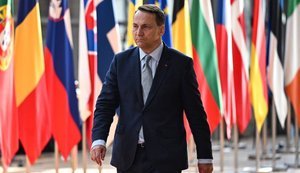
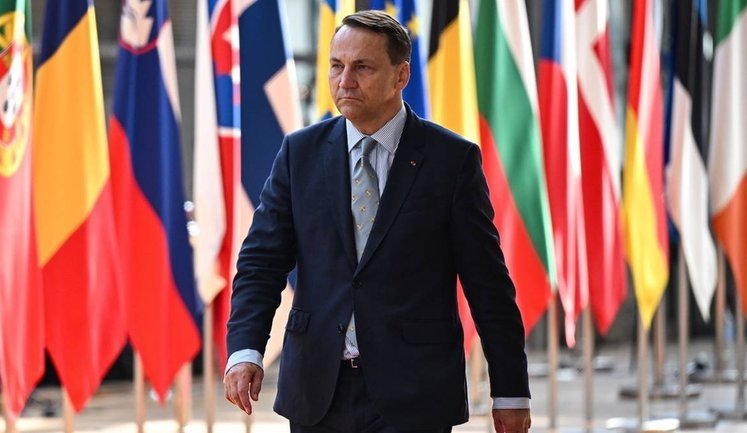
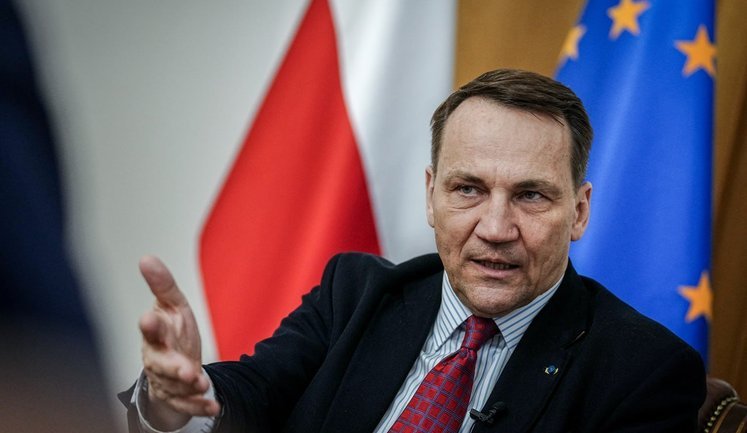
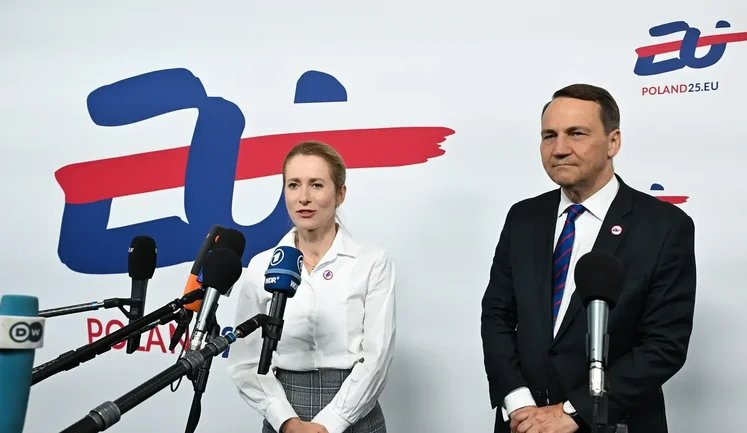
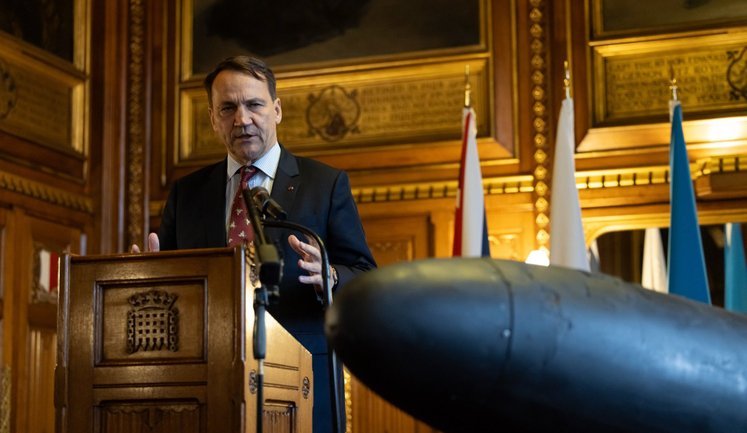
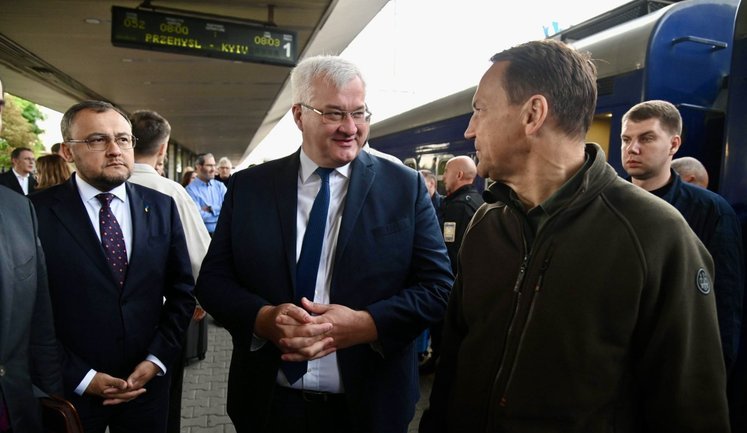
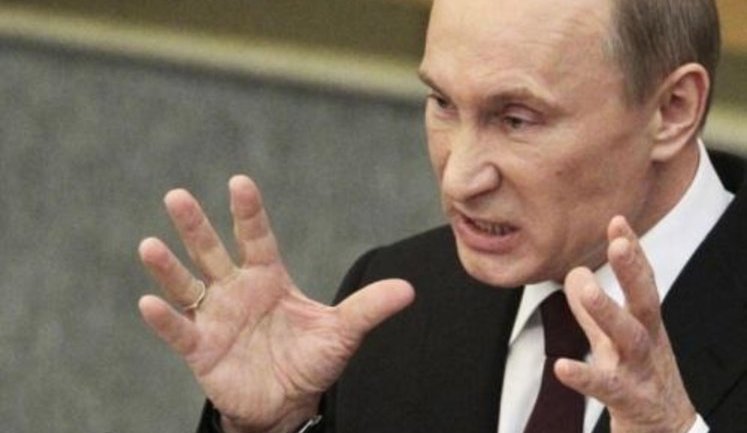
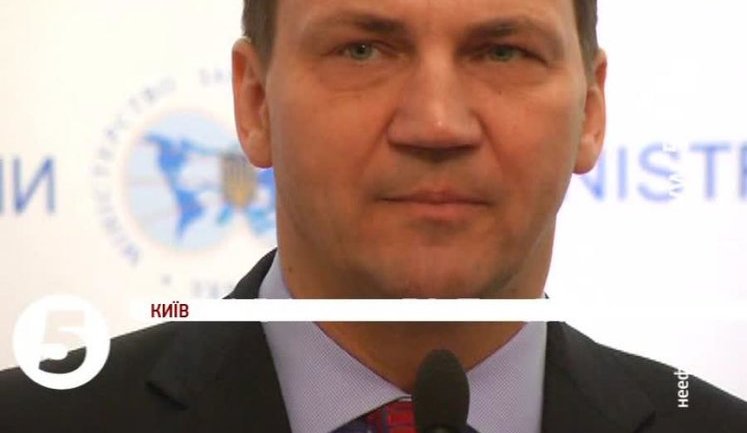
Radoslaw Sikorski, the Polish Foreign Minister, remains a vocal critic of Russian aggression toward Ukraine, emphasizing the threat it poses to European stability. He underlines the risks associated with Vladimir Putin’s actions and the possible repercussions for NATO, urging a united European defense strategy. Sikorski also addresses the intricacies of Polish-Ukrainian relations, particularly concerning military aid and historical disputes such as the glorification of controversial figures like Stepan Bandera. On the international stage, he advocates for a greater European voice in peace negotiations, while firmly insisting on Ukraine correcting past historical narratives that strain bilateral ties. His statements reflect Poland's strategic positioning, balancing military readiness with diplomatic engagement.
What is Sikorski's position on Ukraine joining the EU?
Sikorski expresses skepticism regarding Ukraine's accelerated accession to the European Union, stressing the need for foundational changes, particularly in reducing corruption, before considering membership. He acknowledges that Ukraine's integration is likely to occur at the beginning of the next decade, provided substantial reforms are implemented to align with EU standards.
How does Sikorski view Poland's role in Ukraine's defense?
Sikorski emphasizes logistical support over direct troop deployment in any potential peacekeeping missions in Ukraine. He underscores Poland's commitment to assist with energy infrastructure restoration and represents a consistent voice advocating for measures to intercept Russian military threats targeting Ukraine, urging NATO for a cohesive defense strategy.
What are Sikorski's views on Russian military provocations?
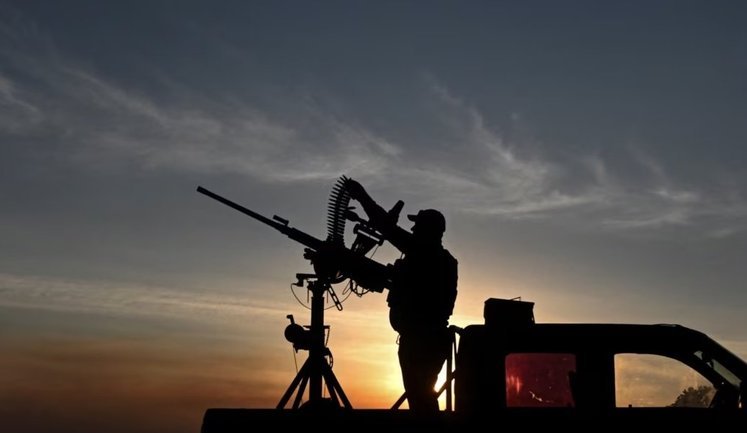
He warns of Russia's potential provocations, including false flag operations involving Ukrainian drones. His statements caution against underestimating geographical distance as a defensive buffer and stress the need for Europe's readiness against unintended escalations. Sikorski remains critical of any moves weakening NATO's response capabilities.
How does Sikorski perceive Putin's intentions in the region?
Sikorski frequently points out that Putin aims not for peace but for Ukraine's submission, viewing the Russian leader as a significant destabilizing force in Europe. Highlighting Russia's resources depleting, he speculates a potential internal coup could unseat Putin, given growing dissatisfaction within Putin's circle regarding the prolonged conflict.
What is Sikorski's response to Trump's diplomacy regarding the conflict?
Sikorski criticizes Trump's meeting with Putin in Alaska as inadequate, advocating instead for tougher sanctions and more decisive pressure on Russia. He appreciates Trump's support for Ukraine but insists that diplomatic engagements must translate into concrete reinforcement against Russian aggression to be effective.