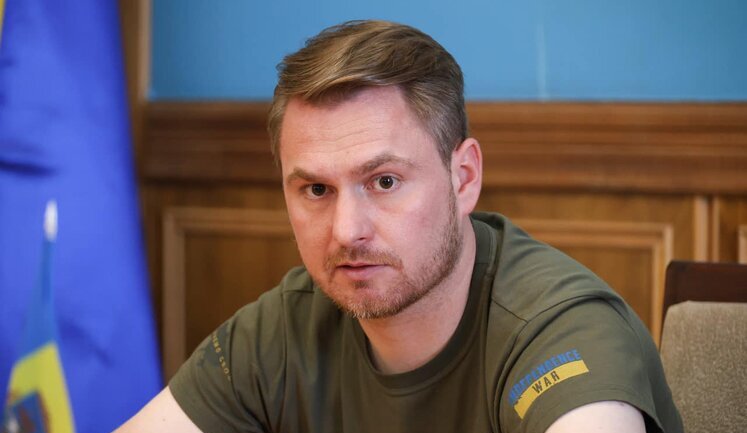
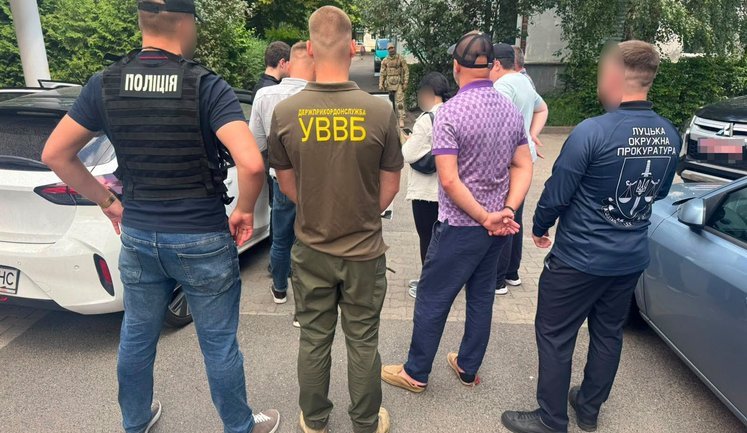
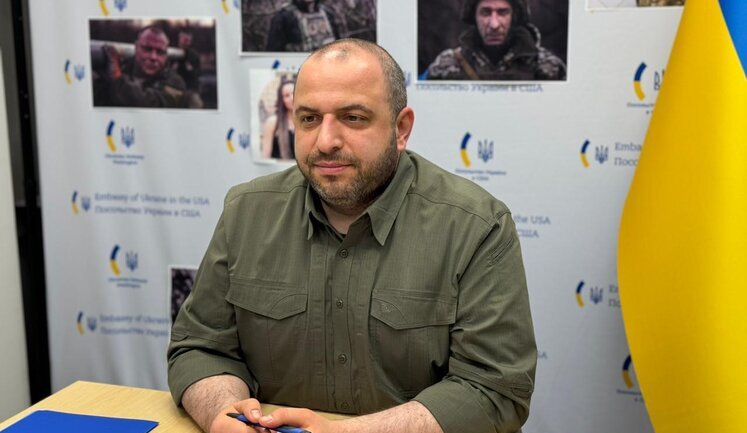
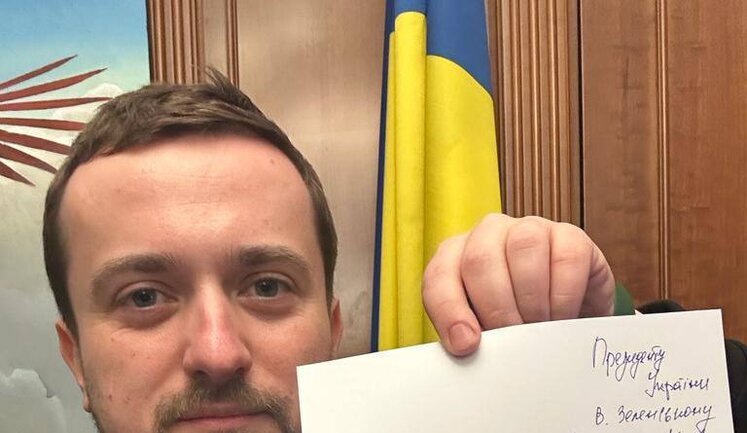
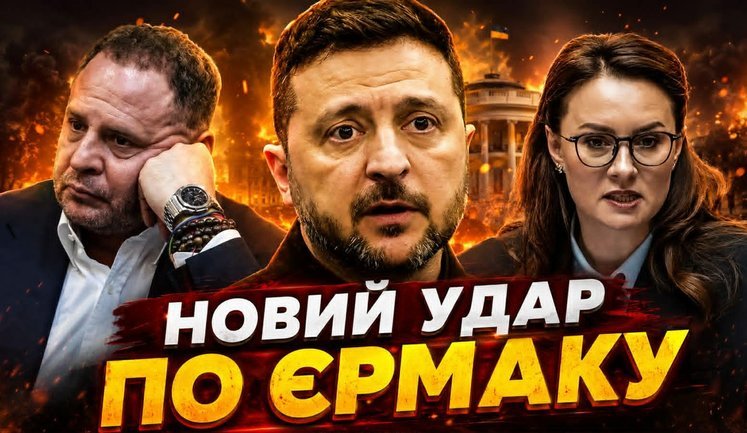
The political landscape in Ukraine has seen significant changes, marked by numerous high-profile dismissals. President Volodymyr Zelenskyy's recent decisions have reshaped the country's diplomatic and security structure, with notable figures like Prosecutor General Ruslan Kravchenko and Commander-in-Chief Oleksandr Syrskyi being relieved of their duties. These changes align with Ukraine's ongoing anti-corruption efforts, exemplified by NABU's Operation Carthage, which has led to the dismissal of senior SSU officials. Such actions highlight the government's commitment to uphold integrity and efficiency in public service. The impact of these firings extends to the global stage, as Ukraine restructures its diplomatic representation by recalling ambassadors in strategic positions. This series of dismissals reflects ongoing reform and response to both domestic issues and international relations.
What are the key reasons for recent dismissals in Ukraine?
Recent dismissals in Ukraine have primarily stemmed from anti-corruption measures, political restructuring, and reforms initiated by President Zelenskyy. High-ranking officials linked to corruption cases, such as NABU's Operation Carthage, have faced removal. Additionally, strategic shifts in Ukraine's diplomatic and military leadership have led to changes aimed at strengthening governance and responding to national and international challenges.
How has the dismissal of Kravchenko impacted Ukraine's legal system?
The dismissal of Ruslan Kravchenko as Prosecutor General marked a pivotal shift in Ukraine's legal landscape. It reflects a broader government strategy to reinforce accountability within the prosecution service. This move is seen as a continuation of efforts to combat corruption and enhance the judiciary's independence and efficiency, a critical aspect of Ukraine's legal and reform agenda in light of international expectations.
Why was the SSU leadership targeted in the latest dismissals?
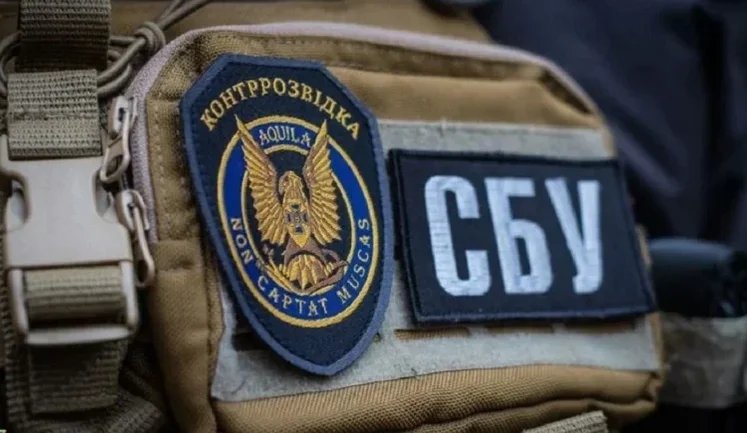
The leadership of the Security Service of Ukraine (SSU) has been targeted as part of broader reforms to strengthen national security and eliminate corrupt practices. The involvement of SSU officials in compromising investigations like Operation Carthage prompted their removal, aiming to bolster public trust and enhance the agency's integrity. These actions align with President Zelenskyy's commitment to ensuring effective and transparent security operations in Ukraine.
What implications do diplomatic dismissals have for Ukraine's foreign policy?
Diplomatic dismissals in Ukraine, including the recall of ambassadors, signify a recalibration of foreign policy priorities. These actions reflect an intention to position Ukraine more strategically in global affairs, potentially boosting international cooperation and solidifying alliances. Such reshuffling aims to align diplomatic missions with Ukraine's current political and economic goals, ensuring the country's interests are effectively represented on the world stage.
What were the underlying factors of Syrskyi's dismissal?
The dismissal of Oleksandr Syrskyi as Commander-in-Chief is attributed to strategic military reforms aimed at enhancing operational effectiveness and responding to evolving defense challenges. This decision indicates a reassessment of military leadership to ensure agile and adaptive responses to security threats, bolstering Ukraine's defense posture amid ongoing geopolitical tensions. Such changes underscore the need for dynamic leadership in maintaining national security.