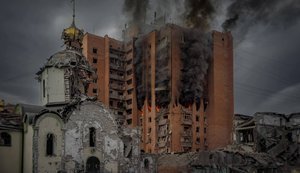
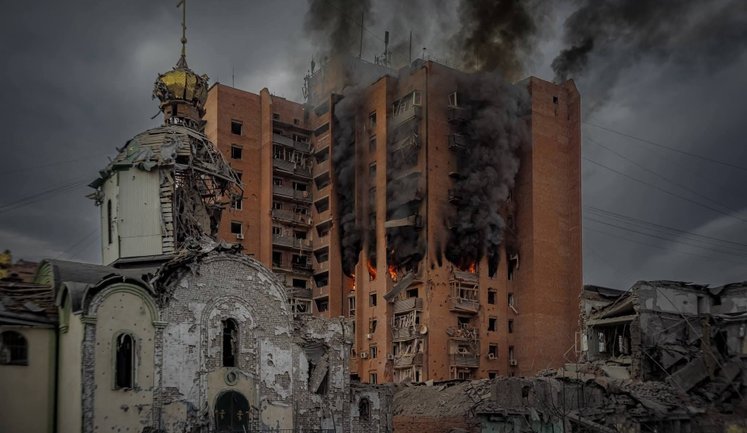
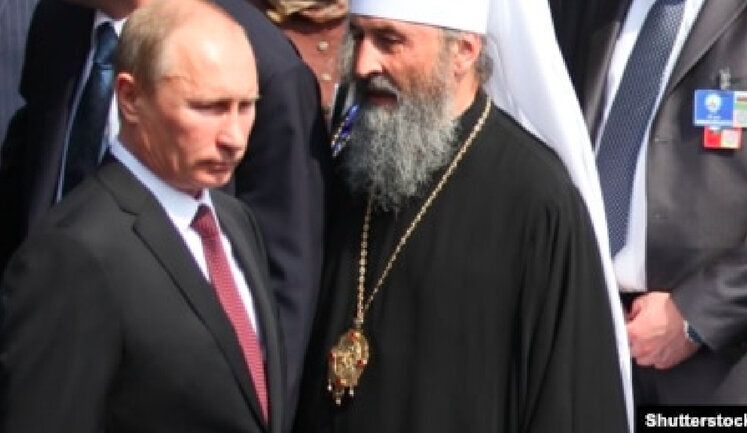
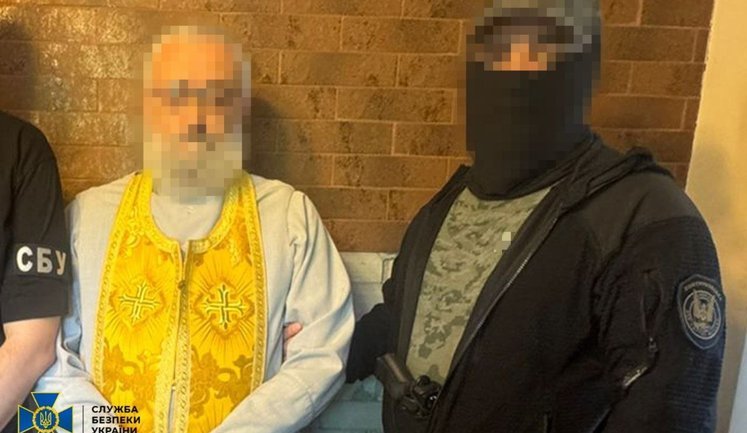
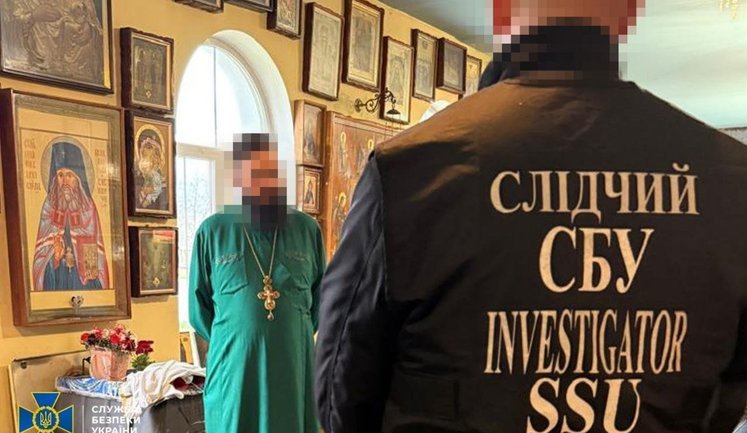
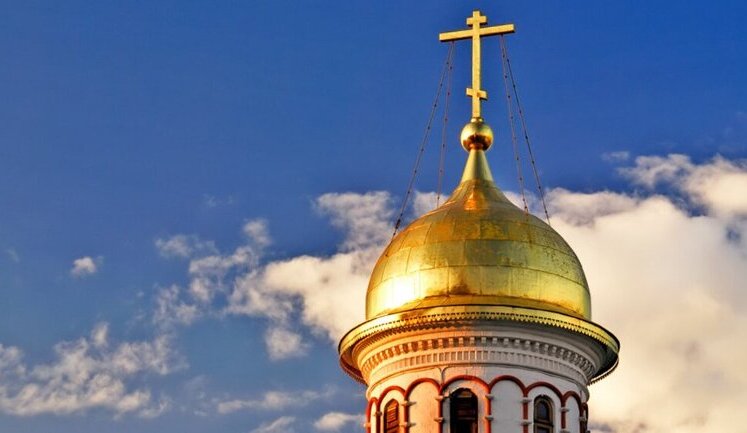
The Ukrainian Orthodox Church (Moscow Patriarchate) remains a central topic of discussion within Ukraine's religious and political landscape, particularly in light of its alleged affiliations with Russia. A substantial proportion of Ukrainians support a legislative move to ban religious organizations linked to Russia, reflecting prevalent anti-Russian sentiments. Additionally, several clerical figures from the Church have been implicated in espionage and pro-Russian activities, drawing the attention of Ukraine's Security Service. With over 7,800 churches still operational, debates continue on the Church's role and its influence on local politics and society, all against the backdrop of the ongoing war in Ukraine. Such issues underscore the complexities surrounding religious freedom, national security, and international law, as Ukraine navigates its path towards EU integration, with legislation playing a crucial role in shaping the Church's future.
What are the recent controversies involving the Ukrainian Orthodox Church?
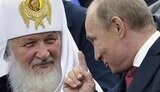
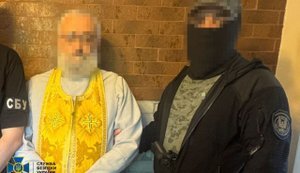
The Ukrainian Orthodox Church (Moscow Patriarchate) has been embroiled in controversies involving alleged affiliations with Russian entities. Several clerics have faced accusations of espionage, with some allegedly providing intelligence to Russian forces. This has resulted in increasing public and governmental scrutiny, sparking debates over its legal status within Ukraine.
How many Ukrainian Orthodox Church (Moscow Patriarchate) entities are operational in Ukraine?
According to recent data, over 7,800 entities of the Ukrainian Orthodox Church (Moscow Patriarchate) remain operational across Ukraine. This extensive presence continues to raise discussions on the Church's influence and its ties to Russian interests, particularly amidst the backdrop of ongoing political and military tensions.
What legal measures are being taken against the Ukrainian Orthodox Church by the Ukrainian government?
The Ukrainian government has proposed and enacted legislation aimed at restricting activities of the Ukrainian Orthodox Church (Moscow Patriarchate) based on its perceived ties with Russian interests. Such measures are part of broader efforts to safeguard national security in the context of the continued conflict with Russia, prompting legal and public discourse on religious freedom and security.
How does the public view the Ukrainian Orthodox Church's connection to Russia?
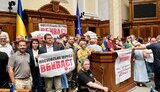
A significant portion of the Ukrainian public, as highlighted in recent polls, supports the legislative ban on religious organizations linked to Russia, including entities of the Ukrainian Orthodox Church associated with the Moscow Patriarchate. This public sentiment reflects broader national concerns about security and sovereignty in the face of Russian aggression.
What repercussions have clerical figures faced due to alleged pro-Russian activities?
Clerics of the Ukrainian Orthodox Church with alleged pro-Russian sentiments and activities have faced legal actions, including arrests and criminal charges. Accusations have ranged from espionage to inciting religious hatred, leading to widespread critiques from both governmental bodies and opposing religious organizations within Ukraine.
Is there a resolution in sight for the Ukrainian Orthodox Church's legal challenges?
The future legal status of the Ukrainian Orthodox Church (Moscow Patriarchate) in Ukraine remains subject to ongoing legislative processes and judicial decisions. While government action seeks to curtail the Church's perceived influence in light of its Russian ties, tensions between religious and governmental entities continue, with international law and EU alignment playing roles in resolving these issues.
What impact does EU legislation have on the status of the Ukrainian Orthodox Church?
Ukraine's prospective membership in the European Union entails compliance with EU legislation, which influences how the nation addresses the Ukrainian Orthodox Church's affiliations with Russia. This legal alignment is critical to ensuring that national actions regarding religious organizations conform to international norms, providing a framework for dispute resolution.