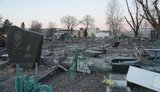
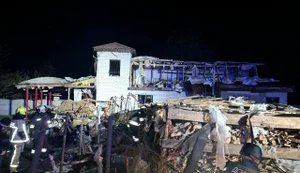
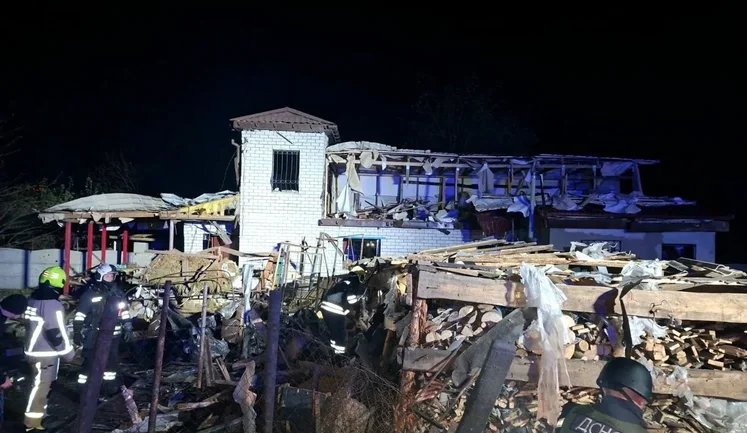
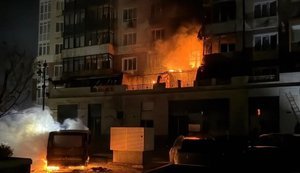
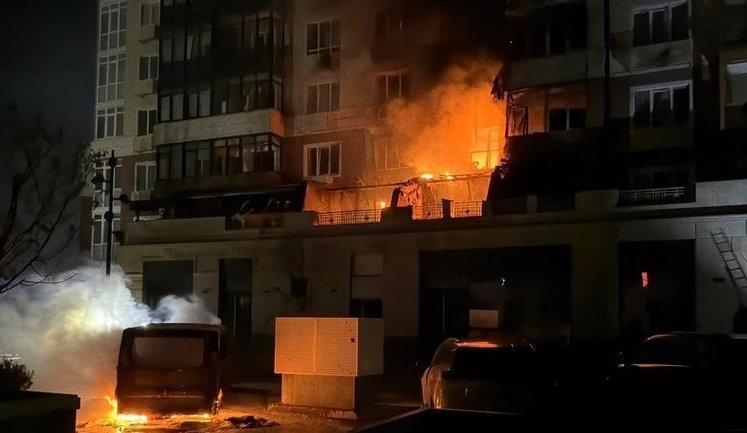
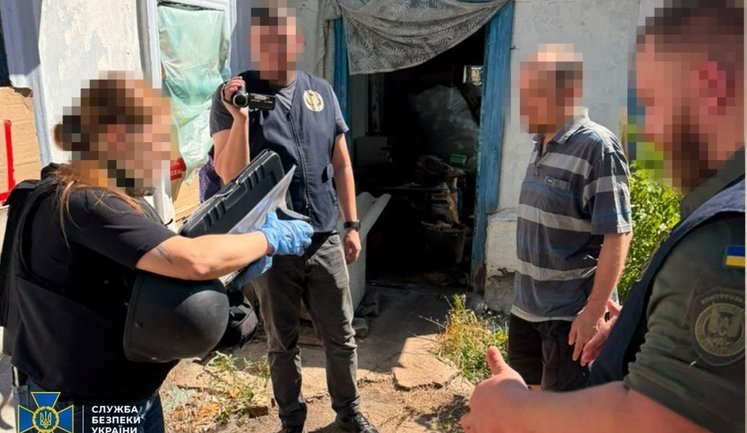
The Cherkasy region in Ukraine has been the target of several attacks by Russian forces, impacting both critical and civilian infrastructure. Notable incidents include a missile strike on November 9, which damaged key facilities and homes, and a drone attack on October 16, resulting in injuries and damage to a high-rise building. The Security Service of Ukraine (SSU) has been active, exposing pro-Russian propagandists and detaining FSB agents involved in orchestrating attacks. Despite ongoing security challenges, the SSU has successfully dismantled a criminal gang exploiting draft evasion and arrested those involved in terrorist activities. Recent protests have taken place in Cherkasy, highlighting public discontent with current governmental and military leadership.
What recent attacks have occurred in the Cherkasy region?
The Cherkasy region has experienced numerous attacks, notably by Russian forces using missiles and drones. The most recent attacks include a strike on November 9 damaging infrastructure, and an October 16 drone attack injuring civilians and damaging buildings.
How has the local infrastructure in Cherkasy been impacted by the conflict?
The ongoing conflict has significantly impacted Cherkasy's infrastructure, with repeated drone and missile strikes causing damage to critical facilities, residential buildings, and disrupting essential services such as power and gas supplies in affected areas.
What security measures are in place in Cherkasy due to the ongoing threats?
The Security Service of Ukraine has intensified operations in Cherkasy to address ongoing threats, detaining several FSB agents and dismantling networks of propagandists and draft evasion schemes, while enhancing surveillance and public safety measures across the region.
How are protests influencing political discourse in Cherkasy?
Protests in Cherkasy are part of a broader national movement expressing dissatisfaction with military and political leadership. These gatherings have been pivotal in shaping discourse, demanding changes and accountability at various government levels.
What efforts are being made to counter Russian influence in Cherkasy?
Efforts include the exposure and arrest of Russian agents and propagandists within the region. The SSU and local authorities focus on combating infiltration attempts, curtailing illegal activities that may support Russian goals, and maintaining regional security and stability.
What assistance is available for those injured in attacks within Cherkasy?
Medical facilities and emergency services in Cherkasy are actively engaged in providing care for those injured in attacks. Assistance includes emergency medical response, hospital treatments, and support services coordinated by local healthcare authorities and humanitarian organizations.
Are there ongoing criminal investigations linked to the attacks on Cherkasy?
Yes, several ongoing criminal investigations focus on attacks involving Russian operatives in Cherkasy. The SSU, along with relevant authorities, is working on identifying perpetrators, collecting evidence, and prosecuting individuals involved in espionage and sabotage activities.
How is the public responding to military and civil defence efforts in Cherkasy?
The public in Cherkasy generally supports military and civil defence efforts, with community involvement in protests reflecting public sentiment towards current leadership and security measures. Citizen participation in defence initiatives is emphasized as essential for regional resilience.
What is the current status of utilities and essential services in Cherkasy?
Despite recurring attacks, efforts are underway to restore and maintain utilities in Cherkasy. While disruptions occur, local authorities are focused on repairing damage to power and gas services to improve living conditions for affected residents across the region.
What role does international cooperation play in Cherkasy's defense strategies?
International cooperation is crucial for enhancing Cherkasy's defense capabilities. Partnerships with allied nations aid in intelligence sharing, technology transfers, and reinforcing Ukraine’s defense infrastructure to counter ongoing threats from Russian forces more effectively.