The extradition process in Ukraine involves multiple high-profile cases, each highlighting the complexities of international cooperation and legal hurdles. The former mayor of Rakhiv, arrested and detained multiple times in the EU, exemplifies these challenges. Efforts to extradite Timur Mindich and Oleksandr Tsukerman from Israel have faced delays, prompting updates and corrections in legal documents. Similarly, Poland's release of Russian archaeologist Butyagin during an exchange underscores diplomatic intricacies. The extradition of individuals such as Mindich, accused in the "Midas" case, is hampered by dual citizenship and martial law defenses. These cases emphasize the need for meticulous legal procedures and negotiation skills in resolving extradition requests from countries across Europe, including Estonia and Israel, thereby impacting Ukraine's quest for justice and accountability.
What are the recent extradition challenges Ukraine faces with Israel?
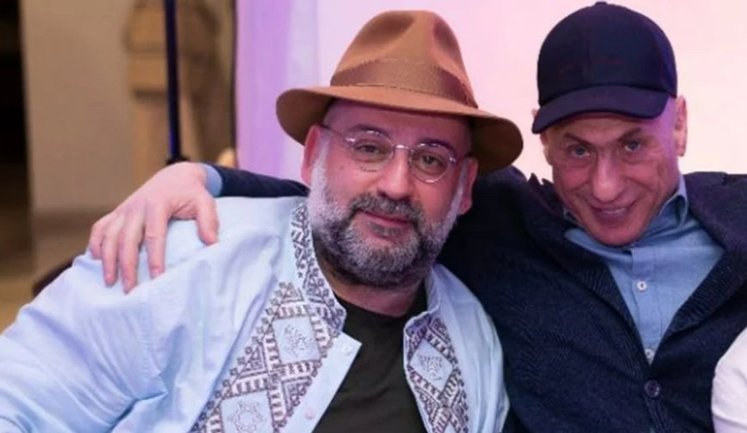
The recent challenges involve Ukraine's efforts to extradite Timur Mindich and Oleksandr Tsukerman. Despite legal measures undertaken by Ukraine’s Prosecutor General and updates to the extradition request, they face delays in response due to international legal complexities and the defendants' Israeli citizenship, which provides them with potential legal defenses.
Why was the extradition of the former Rakhiv mayor significant?
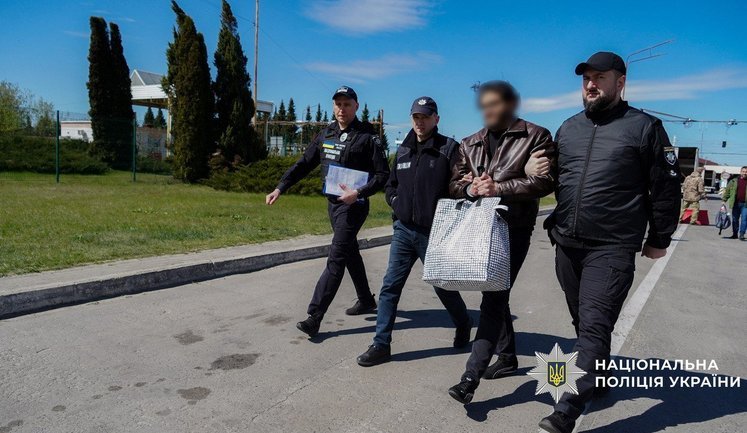
The former Rakhiv mayor's extradition is significant because it marked the successful return of a fugitive on the international wanted list, arrested several times in EU countries. This case highlighted the effectiveness of Ukraine's cooperation with the European justice system in reclaiming fugitives and setting a precedent in international law enforcement collaboration.
How did diplomatic exchanges influence the extradition of Butyagin?
The case of archaeologist Butyagin illustrates the diplomatic nuances in extradition proceedings. Poland's decision to release Butyagin during a diplomatic exchange with Russia, despite Ukraine's extradition request, demonstrates how political negotiations can impact legal outcomes, complicating Ukraine's efforts to bring fugitives to justice.
What were the reasons for the denied extradition of Artem Dmytruk from the UK?
The denial of Artem Dmytruk's extradition by the Westminster Magistrates' Court was based on Article 8 of the European Convention on Human Rights, highlighting concerns over the potential disproportionate impact on his right to privacy and family life. This decision underscores the delicate balance between extradition laws and human rights considerations.
How are extradition requests for military-related crimes handled in Ukraine?
Extradition requests, particularly those involving military-related crimes such as the sale of non-existent vehicles to the Armed Forces, are handled through cooperation between Ukrainian and international law enforcement agencies. These requests aim to hold accountable those involved in defrauding military agencies, demonstrating Ukraine's commitment to justice even in complex international contexts.
What measures has Ukraine taken to accommodate extradited individuals?
Ukraine has established five specialized detention facilities for extradited individuals. These centers are designed with updated infrastructure and positioned away from combat zones to ensure the secure detention of figures extradited for legal proceedings, reflecting Ukraine's preparedness to manage the complexities of international extradition effectively.