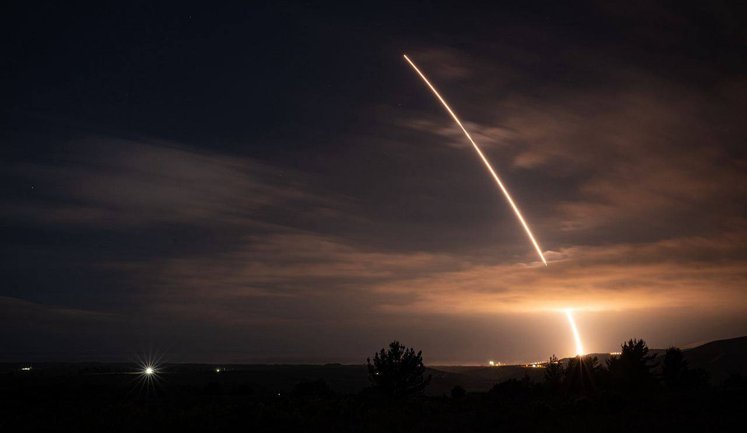
Amidst increasing global tensions, nuclear weapon policies have become a focal point, significantly impacting international relations. Lithuania's plans to lift the ban on nuclear deployments reflect a shift in Europe, paralleled by Latvia's readiness to consider hosting such weapons if sanctioned by NATO. Russia's strategic posture, involving exercises and potential technological advancements in nuclear armaments, underscores its readiness to counter perceived threats. The situation is further complicated by North Korea and Iran's nuclear ambitions and the discourse surrounding NATO's deterrent strategies. These developments signal a complex web of international security challenges posing significant ramifications for global stability.
What are the recent developments in Lithuania's nuclear weapon policy?
Lithuanian Prime Minister has announced plans to lift the constitutional ban on deploying nuclear weapons, indicating a shift in defense strategy amid regional security concerns. This decision is part of broader discussions on enhancing national security and strengthening the region against potential threats.
How has NATO responded to Russia's nuclear threats?
Despite Russia's nuclear threats regarding the Kaliningrad region, NATO's Secretary-General has advised not to take such threats too seriously, focusing instead on strategic stability and deterrence efforts. The alliance continues to monitor the situation and adjust its policies accordingly.
What is the current stance of Latvia on hosting nuclear weapons?
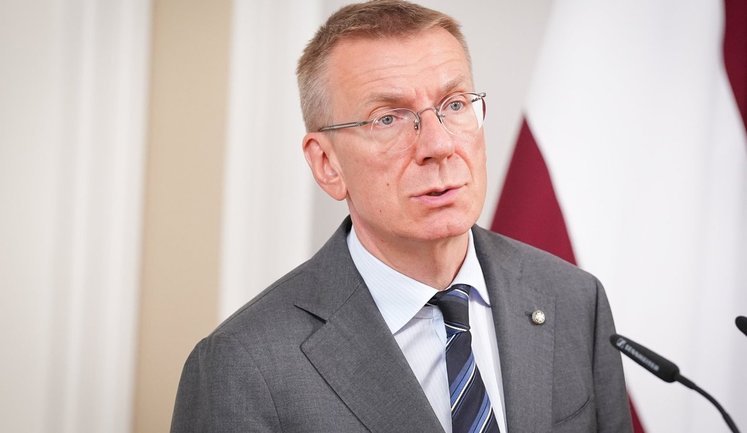
Latvia has expressed its willingness to host nuclear weapons if NATO collectively decides so. This stance underscores a commitment to alliance decisions and reflects broader defensive measures in response to regional security dynamics.
How is Russia's military strategy involving nuclear weapons evolving?
Russia has consistently demonstrated its nuclear capabilities, with its strategic forces reportedly on full combat alert. This includes publicized exercises and potential advancements in nuclear technology, reflecting its commitment to showcasing military strength amidst perceived external threats.
What is the critical view on Iran's nuclear ambitions from global leaders?
Global leaders, notably from the US and Israel, have emphasized preventing Iran from developing nuclear weapons. The US has proposed potential agreements for uranium transfer as a key strategy, while diplomatic tensions continue regarding Iran's nuclear capabilities.
What role does nuclear weapon policy play in current US-Russia relations?
Nuclear weapon policy remains a significant aspect of US-Russia relations, with both nations discussing treaties such as START to manage arms control. Recent geopolitical tensions have intensified the discourse on nuclear armament strategies and diplomatic negotiations.