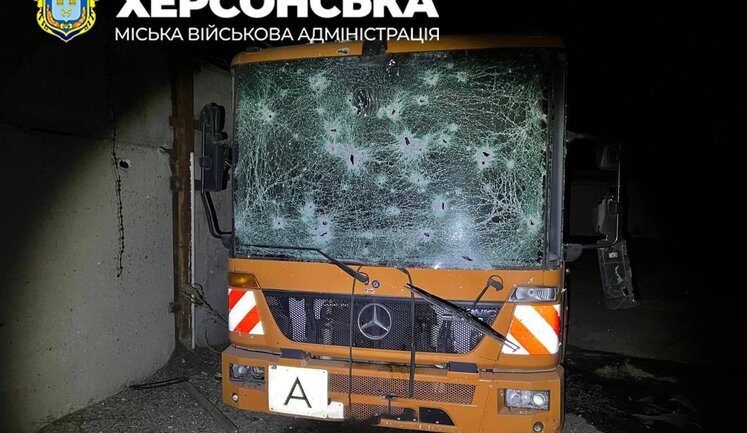
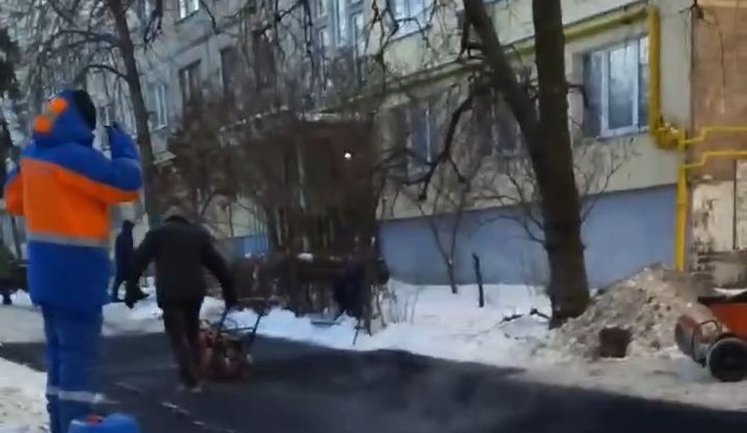
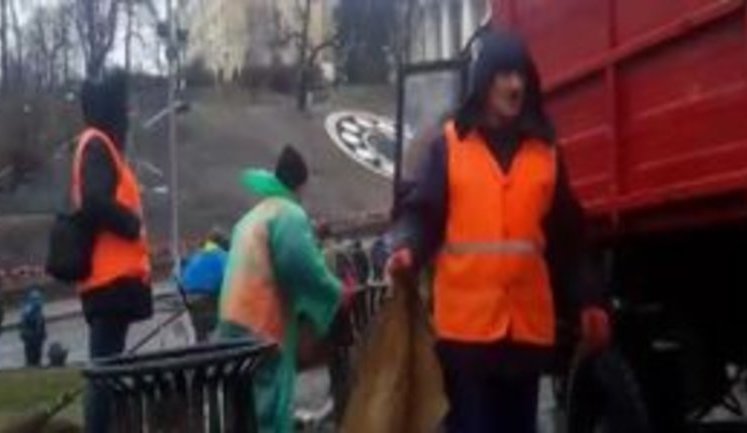
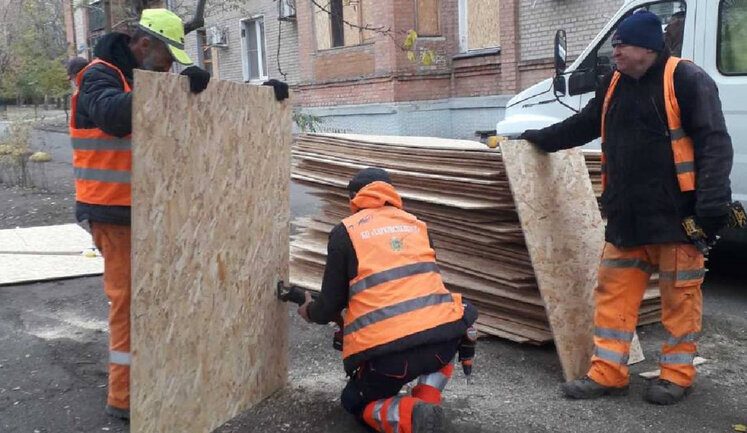
Key developments in the utility provider sector highlight both the strategic importance and the vulnerabilities these services face. Utility company employees in Ukraine are now eligible for mobilization reservations according to a new regulation enacted by President Zelenskyy. No more than 75% of employees liable for military service can be reserved, ensuring essential services' continuity during the ongoing conflict. Meanwhile, security remains a concern as Russian troops targeted a utility company in Kherson, accentuating the risks these vital infrastructures face amidst geopolitical tensions. Understanding these dynamics is crucial for stakeholders in the sector to mitigate risks and maintain service delivery amidst complex challenges.
Why are utility providers receiving mobilization reservations?
Utility providers are receiving mobilization reservations to ensure the continuity of critical services such as heating, water supply, and waste management. These sectors are essential for maintaining public health and safety, which necessitates having enough staff on hand even during times of military conscription. The policy limits reservations to 75% of the workforce liable for military service to balance national defense needs with public service continuity.
What happened to the utility company in Kherson?
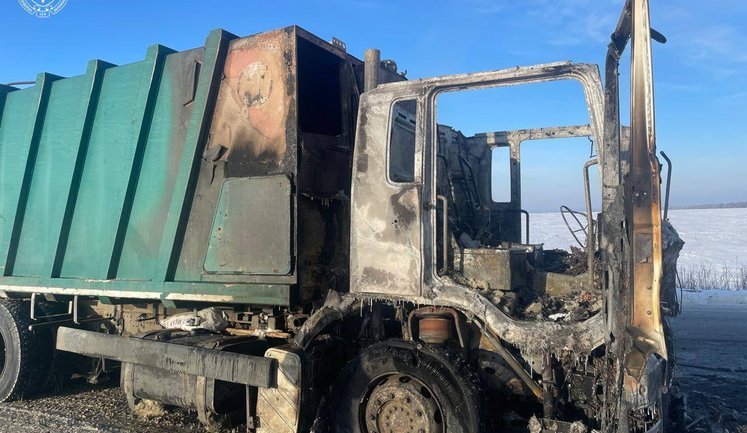
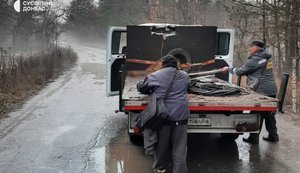
The utility company in Kherson was shelled by Russian troops, highlighting the vulnerability of critical infrastructure during conflicts. Such attacks not only endanger personnel but also disrupt essential services, impacting civilian life. It underscores the importance of safeguarding utility providers against military aggressions to preserve public safety and service stability.
How are utility providers crucial during conflicts?
Utility providers ensure the uninterrupted supply of essential services, such as water, heating, and waste management, integral to public welfare and sanitation. During conflicts, maintaining these services becomes even more critical, as they directly affect civilian survival and stability. Keeping utility operations running can also help bolster community morale and resilience in challenging times.
What measures are taken to protect utility providers in war zones?
To protect utility providers in war zones, governments often implement strategic policies like mobilization reservations to ensure a stable workforce. Additionally, investing in infrastructure fortification, implementing advanced security protocols, and developing contingency plans are essential steps to safeguard these vital services against disruptions caused by military actions.
How can utility providers prepare for emergencies or attacks?
Utility providers can prepare for emergencies or attacks by developing comprehensive emergency response plans, investing in infrastructure resilience, and collaborating with government agencies for support and protection. Regular training and drills for employees, coupled with effective communication strategies, can ensure prompt and efficient responses to potential crises, minimizing service disruptions.