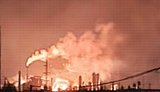
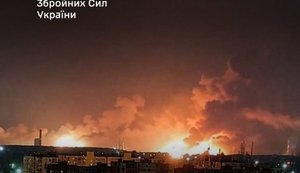
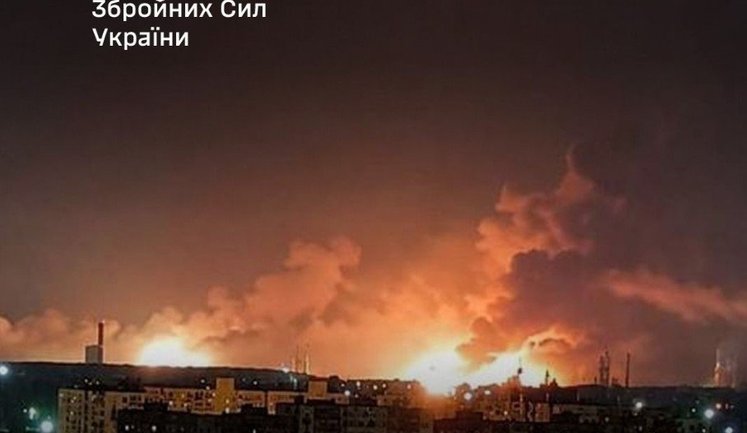
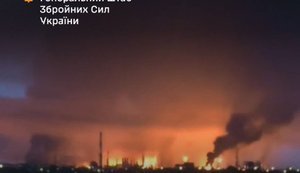
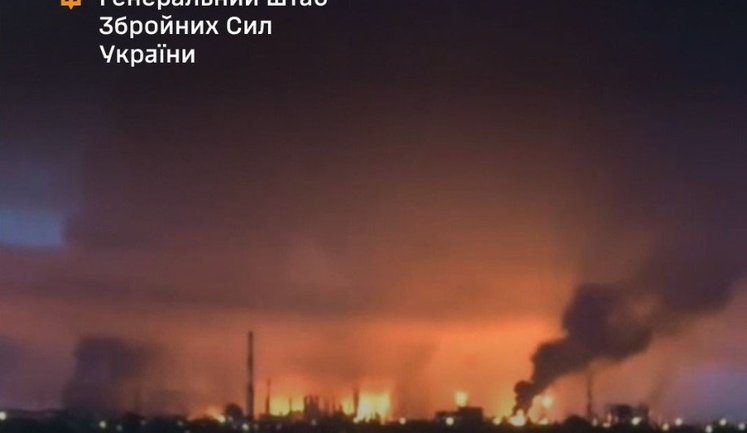
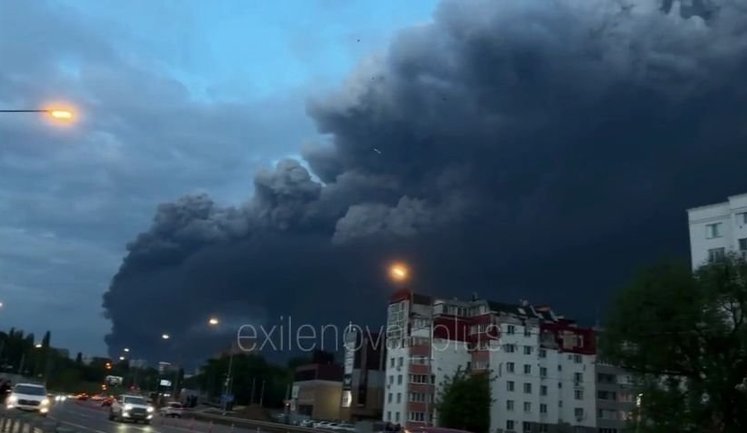
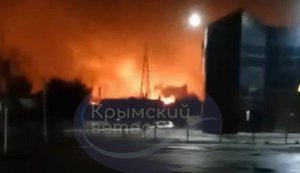
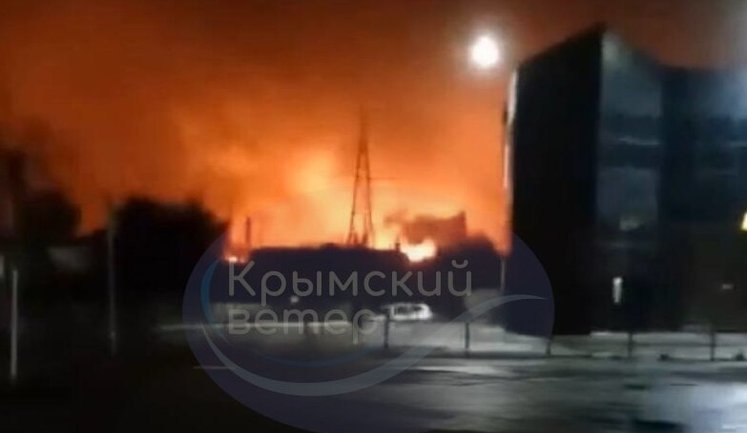
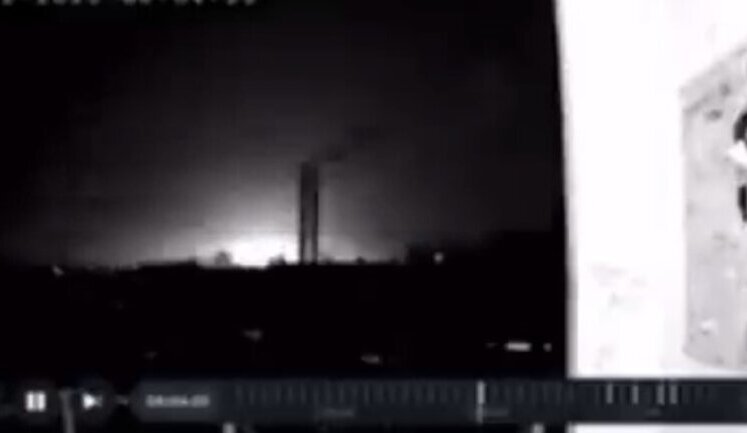
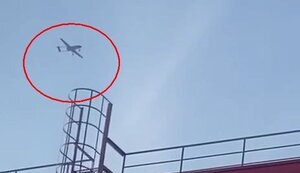
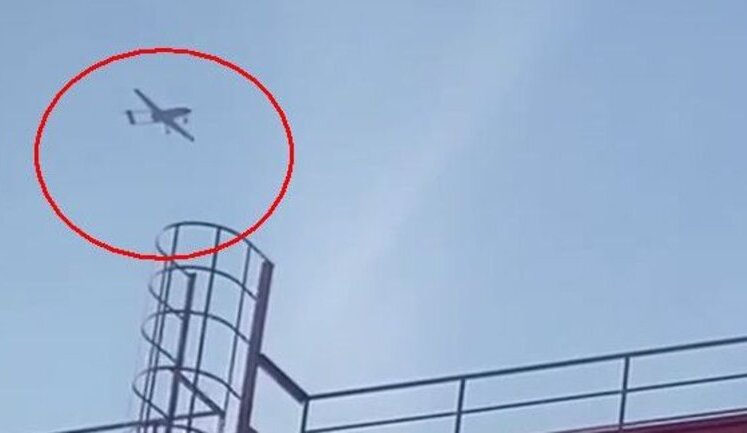
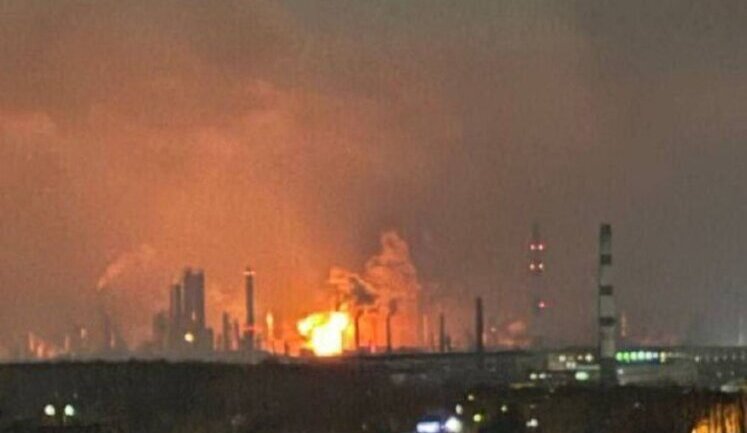
Recent operations have targeted the Ryazan oil refinery, with multiple strikes carried out by Ukrainian Defence Forces. High-profile attacks occurred on various dates, including December 6, November 20, and earlier in the year, February 24. These incidents are part of strategic military actions by Ukraine against crucial infrastructure in the Ryazan region. The attacks are seen as efforts to disrupt operations at one of Russia's largest refineries. Reports detail drone-led assaults that led to significant damage and large-scale fires. Each strike is a testament to the ongoing military contest between Ukraine and Russia.
What incidents have occurred at the Ryazan oil refinery in 2025?
Throughout 2025, the Ryazan oil refinery has experienced several strikes, primarily involving drones. Major incidents occurred on February 24, September 5, November 15, and December 6, each causing significant damage and fires.
Why is the Ryazan oil refinery targeted by Ukraine?
The Ryazan oil refinery is a strategic target due to its significance in Russia's industrial infrastructure. Strikes aim to disrupt fuel production and supply, impacting the military and economic capabilities of Russia amid ongoing conflicts.
How have residents in Ryazan reacted to drone attacks?
Residents have reported significant alarm during drone attacks, with explosions and fires causing concern. Eyewitnesses have documented these events, expressing disbelief and concern over the scale and implications of the attacks.
What military strategies are used to attack the Ryazan oil refinery?
The Ukrainian Defence Forces employ a combination of drone operations and coordinated strikes by Special Operations Forces. These tactics aim to execute precise attacks while minimizing risks to personnel.
Have infrastructure strikes affected Russian operations in the region?
Yes, strikes on key infrastructure such as the Ryazan oil refinery are intended to impair operations and logistics. The disruption of fuel production can hamper military logistics and broader industrial activities.
Are there videos available of the Ryazan refinery strikes?
Numerous videos capturing the intense moments of the Ryazan refinery strikes exist, often showing explosions, fires, and the challenges faced by local air defences. These videos have circulated widely on social media platforms.
What has been the impact of these strikes on the Ryazan community?
The strikes have caused anxiety among Ryazan residents, with societal and economic disruptions. The visible damage to industrial sites and the resulting fires have led to growing concerns about safety and stability in the region.