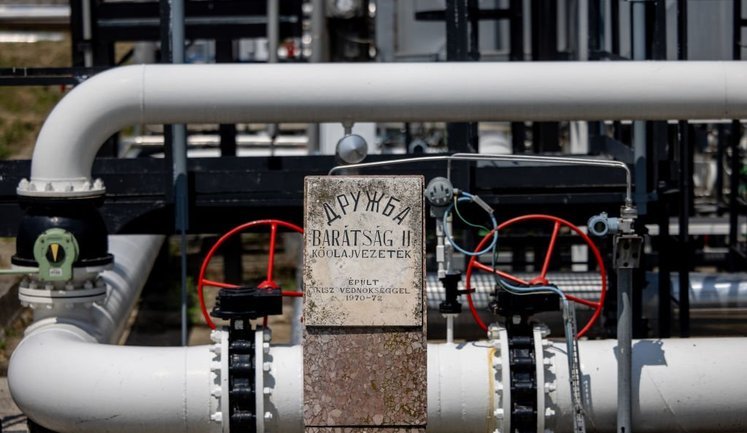
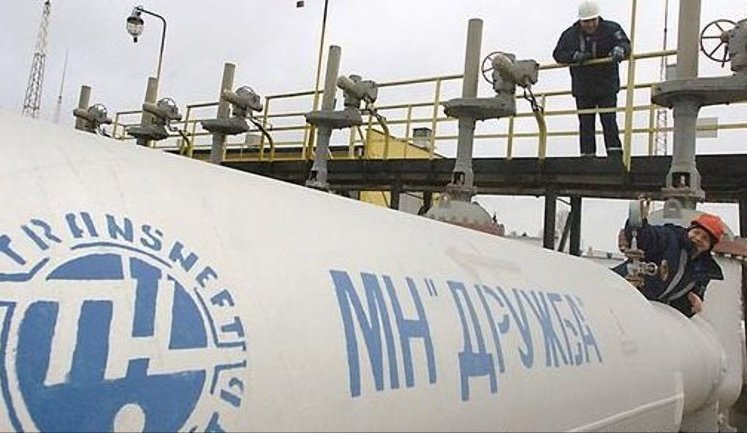
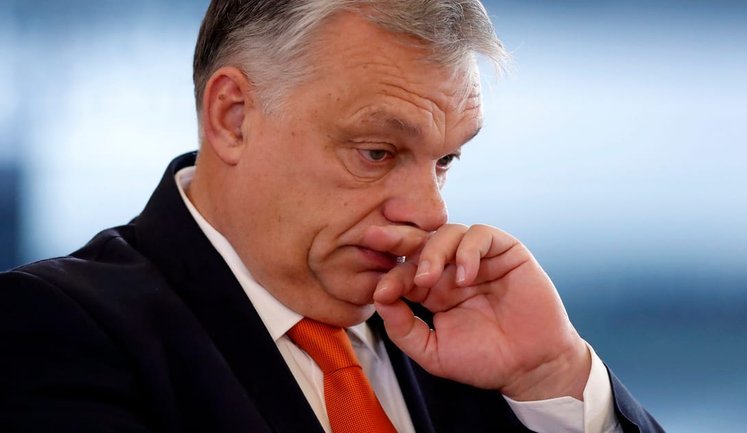
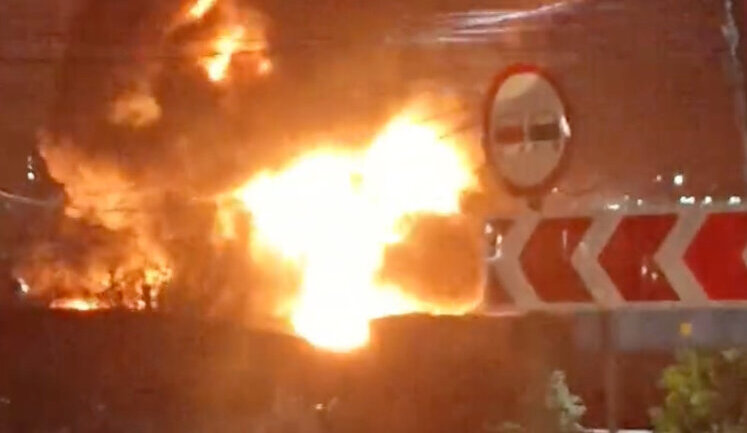
The Druzhba oil pipeline, a significant energy conduit from Russia to Eastern Europe, is at the center of geopolitical tensions. Recently, Ukraine has come under pressure from Hungary to resume oil supplies via the pipeline, with Hungarian Prime Minister Viktor Orbán staking the unblocking of a €90 billion loan on this resumption. Orbán's strong statements suggest a no-compromise stance if the pipeline operations don't resume. Ukrainian President Volodymyr Zelenskyy announced plans to repair the pipeline, aiming for completion by the end of April, reflecting the pipeline's critical role in regional energy security. The European Union considers the pipeline's disruption not a threat to regional energy security. However, Hungary argues that a resolution is urgently needed to secure continuous oil supplies.
What is the current status of the Druzhba oil pipeline?
As of now, repairs on the Druzhba pipeline, crucial for supplying Russian oil through Ukraine to Europe, are underway. Ukrainian President Zelenskyy announced its repair completion by the end of April, amidst diplomatic tensions and demands from Hungary to resume its operations.
Why is Hungary concerned about the Druzhba pipeline?
Hungary is heavily reliant on the Druzhba pipeline for oil supplies. The Hungarian government, led by Viktor Orbán, has demanded the resumption of oil flow through the pipeline and linked this to unblocking a €90 billion loan to Ukraine, indicating the pipeline's crucial role in Hungary's energy security.
How has Ukraine responded to Hungary's demands regarding the pipeline?
Ukraine has resisted pressure and ultimatums from Hungary regarding the pipeline. President Zelenskyy is focused on repairs and emphasized that the country would not succumb to threats, ensuring that the operation of the Druzhba pipeline aligns with Ukraine's strategic interests and regional security goals.
What impact does the Druzhba pipeline have on EU energy security?
While the Druzhba pipeline is vital for Eastern European energy supplies, the EU Coordination Group has stated that its current shutdown does not pose an immediate threat to energy security. However, prolonged issues could affect regional stability, highlighting its importance in discussions among EU members.
What are the geopolitical implications of the Druzhba oil pipeline issue?
The Druzhba pipeline conflict reflects broader geopolitical tensions involving energy security, EU diplomacy, and Russian influence. Hungary's forceful stance, alongside Ukraine's repair efforts, underscores the intertwined political and energy interests shaping European security dynamics.
Has the European Union commented on the Druzhba pipeline situation?
The EU has engaged in diplomatic discussions regarding the pipeline, emphasizing the need for regional cooperation and resolving energy-related conflicts. Despite Hungary's demands, the EU concluded that the pipeline's disruption does not constitute an immediate energy security risk for the region.