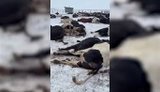
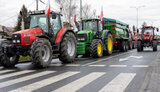
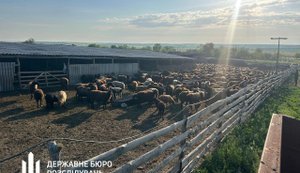
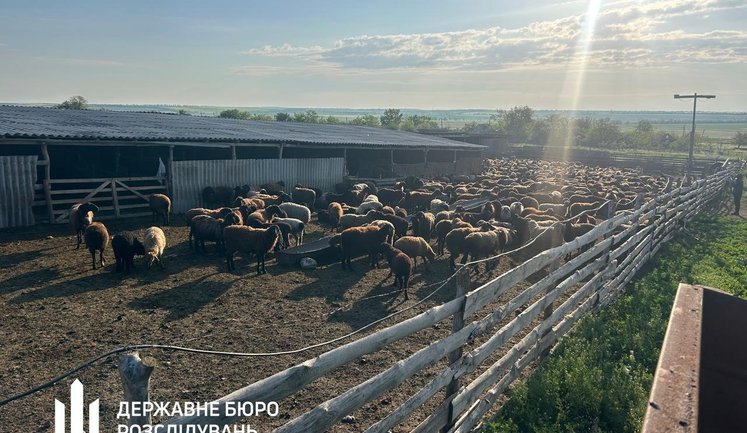
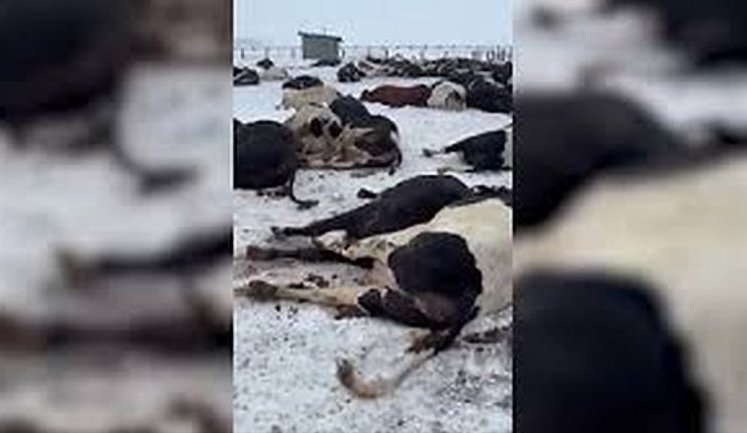
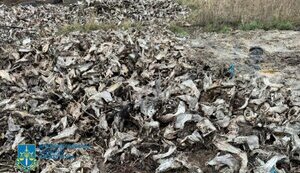
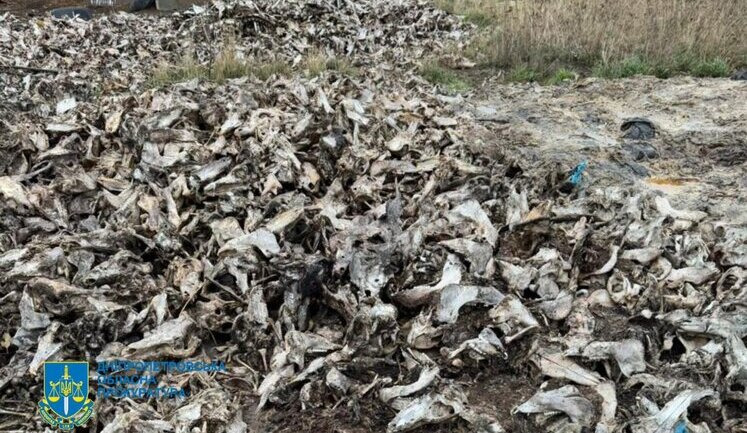
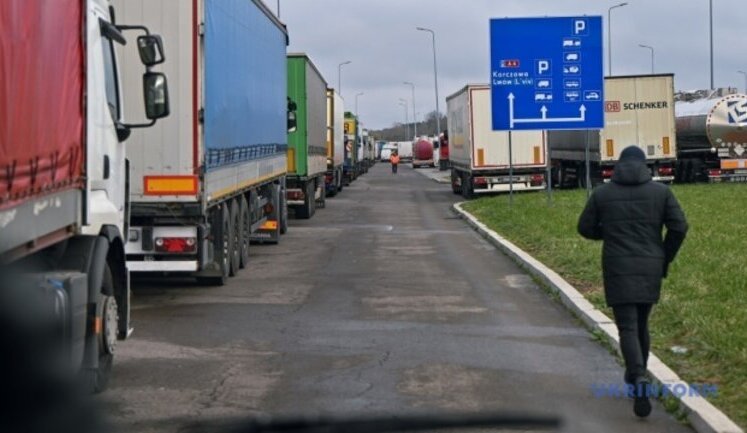
In the Dnipropetrovsk region, the harrowing ordeal of a farmer kidnapped by military personnel for ransom has shocked the community. The captors, demanding $70,000 for release, have been detained, shedding light on challenges farmers face beyond just agriculture. Concurrently, legal actions loom over others for environmental violations, involving the illegal disposal of animal carcasses on farmland. These cases underscore the vital, yet vulnerable position farmers hold within Ukraine's socio-economic fabric. Meanwhile, cross-border and international tensions involve farmers, as seen in protests at border checkpoints, highlighting the broader geopolitical stakes. From local crimes to international incidents, farmers remain at the heart of pressing issues.
What legal issues have farmers in Dnipropetrovsk faced recently?
Farmers in Dnipropetrovsk have faced serious legal challenges, including kidnappings and wrongdoings like environmental pollution. In one case, a farmer was kidnapped for ransom, leading to the arrest of the suspects. Additionally, trials are underway for those involved in disposing of animal carcasses illegally on farmland, highlighting significant legal and environmental concerns.
How are international tensions affecting Ukrainian farmers?
International tensions significantly impact Ukrainian farmers, notably through border disputes and protests. Polish farmers, for instance, have organized protests and blockades at border checkpoints due to agricultural imports from Ukraine. These actions reflect broader geopolitical tensions and have substantial economic implications for Ukrainian farmers who rely on cross-border trade.
What role have military and former military personnel played in farmer-related incidents?
Military and former military personnel have been implicated in serious incidents involving farmers, such as the recent kidnapping in Dnipropetrovsk where a company commander and a former serviceman were detained after demanding a ransom from a farmer. Such events underscore the sometimes volatile intersection of military influence and rural livelihoods.
How are environmental issues related to farming being addressed legally in Ukraine?
In Ukraine, environmental issues within the agricultural sector, such as illegal dumping of animal carcasses, are being addressed through legal channels. Recent developments in Dnipropetrovsk involve trials against farmers and business co-founders accused of land contamination, demonstrating the government's commitment to prosecuting environmental violations.
What are the economic impacts of cross-border protests on Ukrainian agriculture?
Cross-border protests, particularly by Polish farmers, have significant economic impacts on Ukrainian agriculture. These protests often involve blockades that disrupt the flow of agricultural goods, leading to delays and financial losses for Ukrainian farmers who depend on these markets for export, consequently affecting their economic stability and growth.
What measures are being taken to resolve farmer protests in European countries?
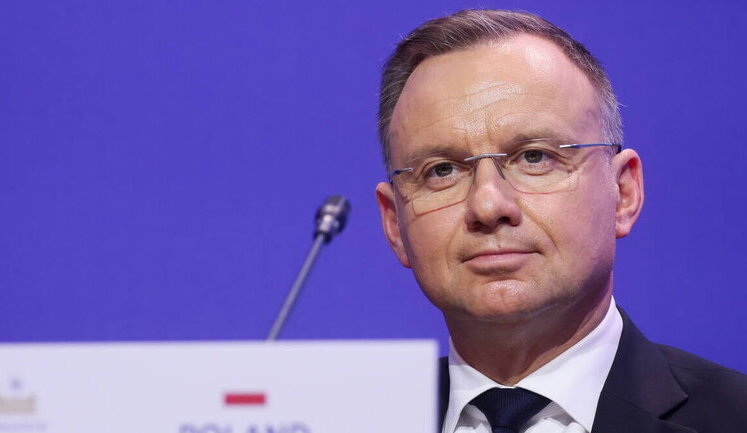
In response to farmer protests in European countries, governments are engaging in dialogues and negotiations to address grievances. For instance, in Poland, informal talks have been held with the EU to seek concessions for farmers, and the government has promised to enhance subsidies and review import regulations to mitigate the protests' impact.
How is the issue of agricultural property theft being handled in Ukraine?
Agricultural property theft, such as the looting in the Kharkiv region, is actively being addressed by Ukrainian authorities. Indictments have been filed against the suspected Russian military personnel involved, demonstrating a legal pursuit within Ukrainian courts to hold perpetrators accountable and protect farmers' property rights.