The Middle East remains a focal point of global geopolitical tensions, impacting international security and energy stability. Recent developments highlight the region's influence on global affairs. French President Macron's recent discussions underscore the intertwined security concerns between Europe, Ukraine, and the Middle East. The US-Israeli conflict with Iran has cost businesses $25 billion, revealing significant financial implications. Additionally, Ukrainian President Zelenskyy's efforts to secure partnerships for anti-ballistic missiles and energy supplies emphasize the geopolitical importance of the region. As Air Arabia cancels flights amid security warnings, the crucial role of aviation and transport industries in regional stability becomes apparent. The complexities of Middle Eastern conflicts continue to shape international diplomatic and economic landscapes.
How are Middle East conflicts affecting global security?
Conflicts in the Middle East significantly impact global security by escalating tensions and involving international powers. These disputes can lead to increased military involvement, strain international relations, and cause shortages of critical defense systems, such as Ukraine's pursuit of THAAD air defence systems. Such situations demand coordinated international diplomatic efforts to mitigate threats and maintain regional stability.
What economic impacts arise from Middle East wars?
Economic impacts of Middle East wars are profound, including disruptions in global supply chains, rapid increases in energy prices, and substantial financial losses. For instance, the US-Israeli war with Iran has already resulted in $25 billion in business losses, further straining economic stability and compelling countries and companies to rethink their strategies concerning the region.
What role does Ukraine play in Middle Eastern security?
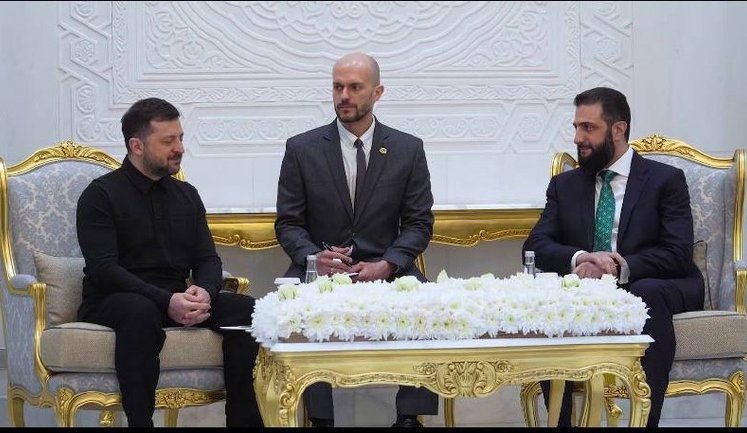
Ukraine is actively engaged in Middle Eastern security through technological and military collaborations. President Zelenskyy has reached agreements for anti-ballistic missile supplies and provides counter-drone technologies to the US. Furthermore, Ukrainian teams have been instrumental in combating threats, showcasing Ukraine's evolving security relationships with Gulf states and the broader region, enhancing both its diplomatic and strategic footprint.
Why is the Hormuz Strait important in geopolitics?
The Hormuz Strait is a critical geopolitical and economic chokepoint, as a significant portion of the world's oil transits through it. Control or closure of this maritime pathway can trigger global energy crises, affecting economic stability worldwide. Consequently, nations are invested in maintaining the Strait's openness, as demonstrated by international discussions and potential military coalitions to safeguard navigation freedom.
How do Middle East tensions influence international energy prices?
Middle Eastern tensions directly influence energy prices by disrupting oil and gas supplies, leading to volatility in global markets. For example, the EU has faced increased energy costs by €22 billion due to the ongoing crises, compelling regions to reevaluate their energy policies and dependence on Middle Eastern resources, further compelling a shift towards diversified energy solutions and alternative sources.
What are the political implications of the Middle East conflicts on Europe?
The political implications for Europe stemming from Middle Eastern conflicts include heightened security measures and a reassessment of diplomatic ties. As European leaders like Macron navigate these challenges, they consider the broader effects on the EU's energy dependency and the necessity for united policies that balance security and economic interests, while addressing the humanitarian and geopolitical ripple effects of ongoing conflicts.
How does Air Arabia's flight cancellation affect the region?
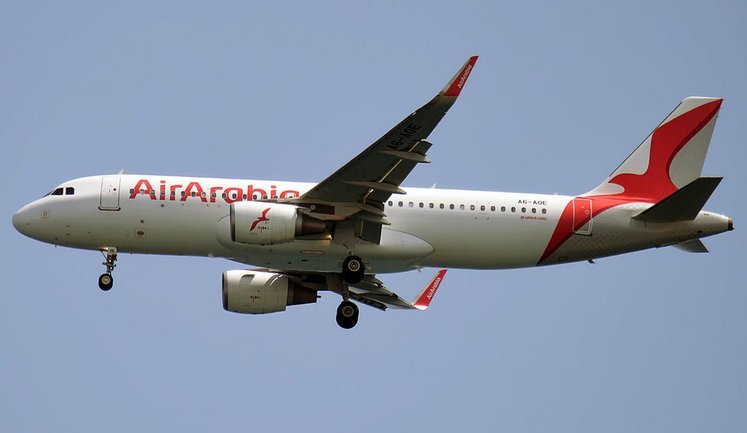
Air Arabia's mass cancellation of flights to Russia reflects the security concerns highlighted by Ukrainian President Zelenskyy. This move underscores the aviation industry's vulnerability to geopolitical tensions and affects regional connectivity, impacting tourism, business travel, and trade operations between the Middle East and other regions, thereby amplifying the economic ramifications of ongoing conflicts.
What are the global diplomatic responses to the Middle East's current situation?
Global diplomatic responses to the Middle East crises involve calls for ceasefire and negotiations from international leaders and the EU. Additionally, measures to support affected nations and foster stability through diplomatic talks and potential bilateral or multilateral agreements have been pursued. These efforts aim to curb the humanitarian impact, stabilize economic interests, and prevent escalation into broader conflicts.