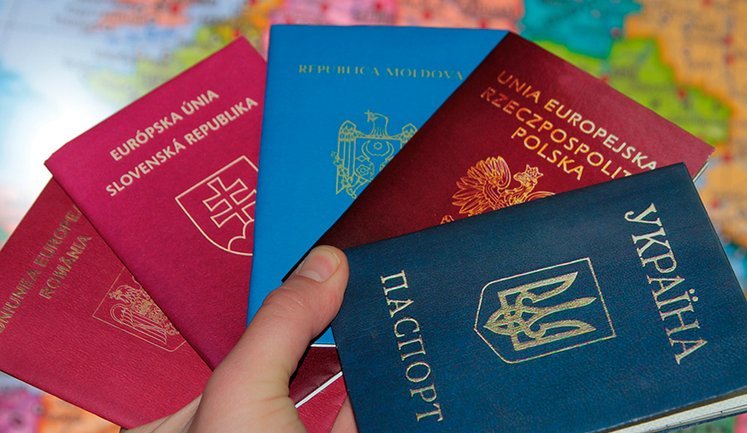
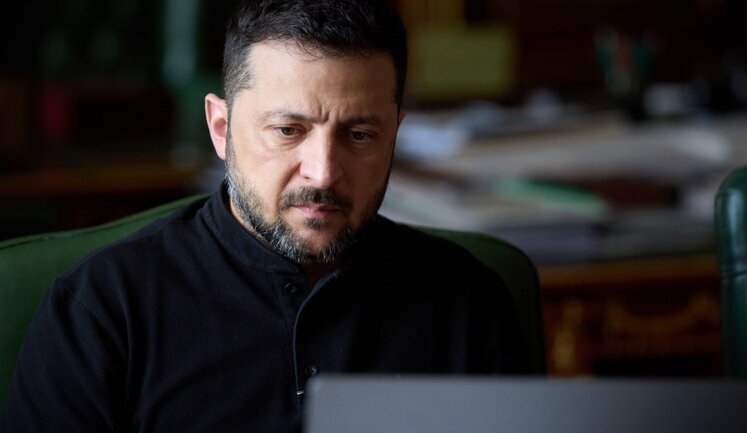
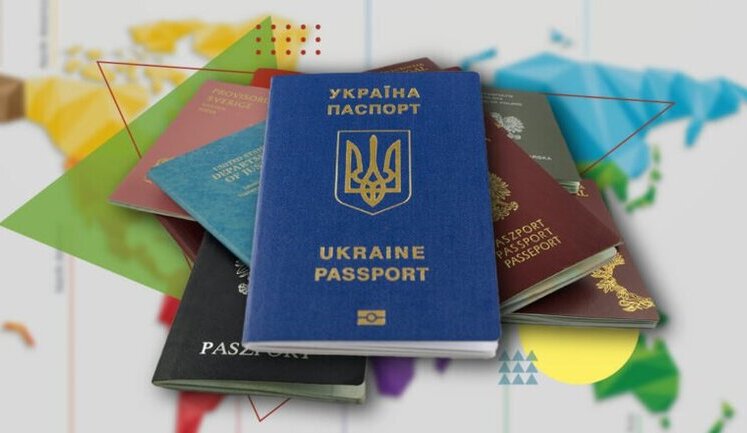
Ukraine is making significant strides in implementing a dual citizenship policy, recently approving guidelines for establishing multiple citizenship with select countries. On October 8, 2025, the Ukrainian Cabinet of Ministers set criteria for nations eligible for simplified Ukrainian citizenship, enhancing ties with nations like Germany, Poland, Czechia, the United States, and Canada. Meanwhile, President Volodymyr Zelenskyy's proposed legislation, now backed by the Verkhovna Rada, underscores Ukraine’s commitment to dual citizenship. However, complexities arise, such as judges found with Russian citizenship amid rising tensions and scrutiny. Notably, this policy excludes National Security threats, ensuring controlled migration and security maintenance.
What are the criteria for countries eligible for Ukraine's dual citizenship?
The Ukrainian government evaluates potential dual citizenship agreements based on diplomatic relations, political stability, and mutual benefits. Countries like Germany, Poland, Czechia, the U.S., and Canada have been prioritized, indicating strong international ties and strategic partnerships. Each partnership ensures mutual respect for sovereignty and enhanced bilateral cooperation.
How does Ukraine's dual citizenship policy impact national security?
Ukraine's dual citizenship policy carefully manages security concerns by implementing exclusions during martial law and maintaining stringent eligibility checks. This ensures the policy supports emigration while safeguarding national interests, preventing any misuse that could undermine Ukraine's sovereignty or security infrastructure.
What legislative steps has Ukraine taken towards dual citizenship?
Ukraine has initiated several legislative steps towards dual citizenship, including the Verkhovna Rada's draft law No. 11469. President Zelenskyy’s proposals to parliament further reinforce the focus on legal frameworks that establish criteria and conditions for dual citizenship, ensuring a well-regulated process aligned with international norms.
Can dual citizenship holders leave Ukraine during martial law?
No, during martial law, Ukraine restricts the ability of dual citizenship holders to leave the country to prioritize national security. This policy aims to mitigate any security risks during times of heightened tension, ensuring that mobility does not compromise Ukraine’s defense capabilities.
Which countries aside from Ukraine have recognized dual citizenship partnerships with Ukraine?
Countries such as Germany, Poland, Czechia, the United States, and Canada are currently recognized for dual citizenship agreements with Ukraine. These partnerships signify crucial political and economic alliances, aiming to enhance bilateral cooperation while allowing citizens greater mobility and access between nations.
Why has Ukraine dismissed judges for holding Russian citizenship?
Ukraine has dismissed judges found with Russian citizenship to maintain judicial integrity and national security. Such actions ensure judges serving in Ukraine are free from any external influence or dual allegiance that could impact their impartiality or compromise judiciary independence amidst geopolitical tensions.
How does dual citizenship benefit Ukraine's economy?
Dual citizenship can bolster Ukraine's economy by enhancing workforce mobility, attracting investments, and strengthening economic ties with other nations. It opens avenues for global business engagements and cultural exchanges, ultimately enriching Ukraine's economic landscape through increased foreign collaboration and opportunities.