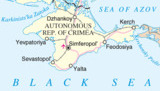
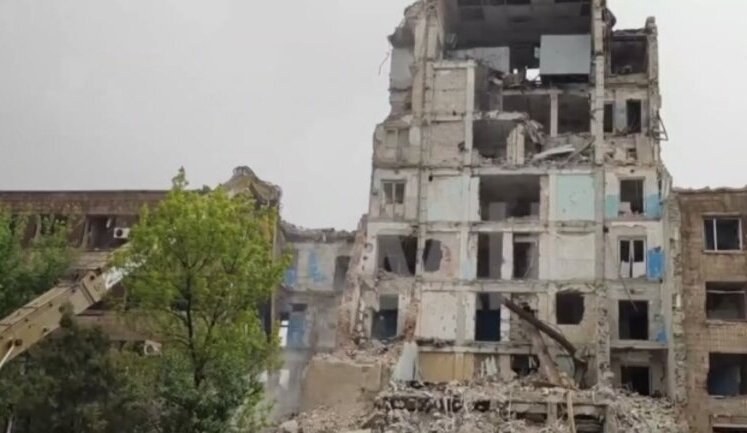
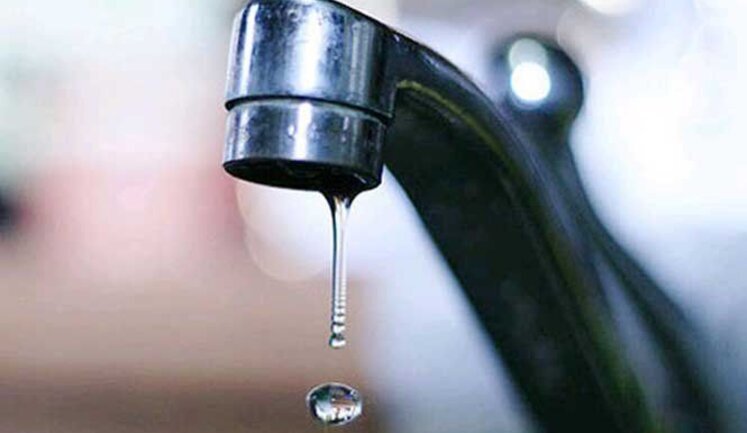
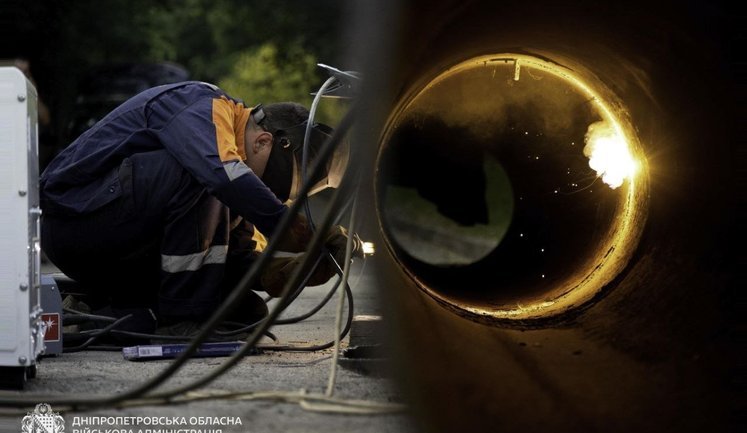
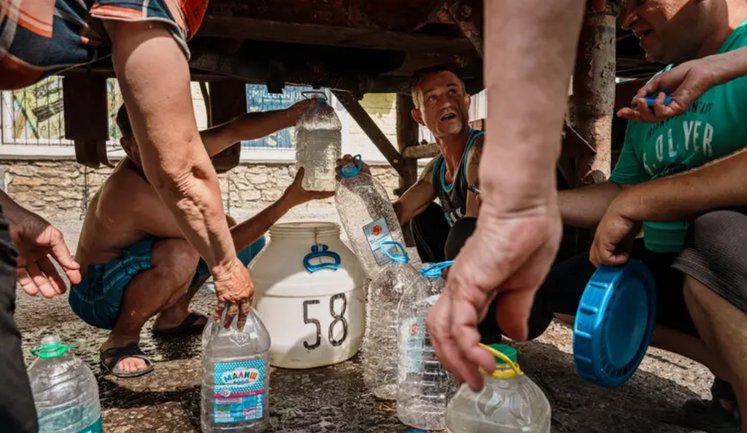
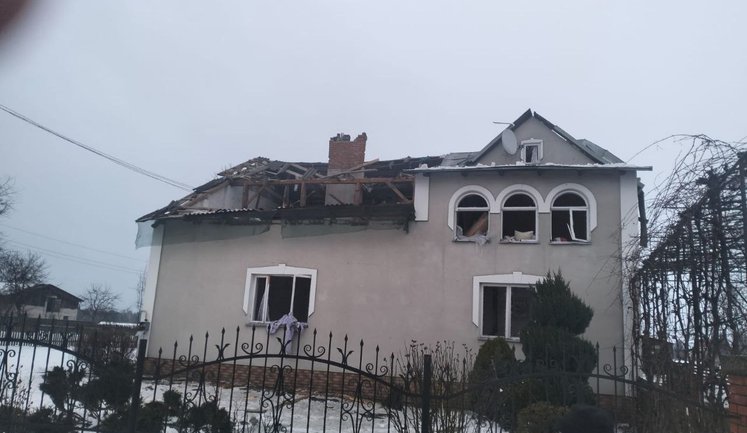
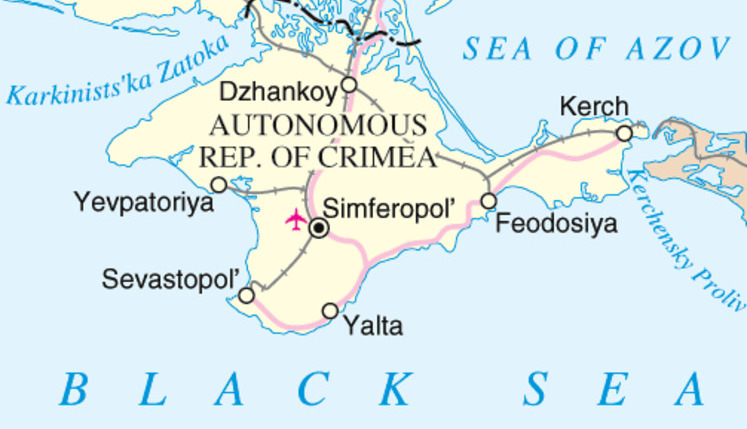
The water supply in Ukraine remains a critical concern amid ongoing conflict and infrastructure challenges. Recent events highlight disruptions at the Zaporizhzhia Nuclear Power Plant due to internet and water supply issues, exacerbating operational risks. Additionally, cities like Chornomorsk and Sevastopol face restricted water and electricity supplies following military actions. Efforts are ongoing across various regions to mitigate the impact on citizens, such as temporary water schedules and the restoration of essential services in affected areas. Continuous strategic oversight from Ukrainian authorities aims to safeguard vital water infrastructure from being used as a tool of warfare by occupying forces.
How is the water supply in Ukraine affected by the conflict?
The water supply in Ukraine faces severe disruptions due to conflicts, with restrictions in various cities and risks to nuclear plant operations. Efforts to restore services and aid citizens are ongoing despite military attacks on vital infrastructure.
What measures are taken to address water supply issues in conflict zones?
Local governments and agencies implement temporary supply schedules and prioritize the restoration of damaged infrastructure. They also work to protect critical facilities from targeted attacks, striving to ensure basic water access for residents.
Why are nuclear plants like Zaporizhzhia at risk due to water supply issues?
Nuclear facilities rely on stable water supplies for safe operation. Recent disruptions at the Zaporizhzhia plant raise concerns about cooling systems and overall safety, necessitating urgent reparative actions and international monitoring.
Which cities in Ukraine are experiencing water supply restrictions?
Cities such as Kyiv, Chornomorsk, and Sevastopol face restrictions or interruptions in water supplies due to infrastructural damage and military operations. Local authorities implement plans to manage these challenges and restore regular supplies where possible.
How is the international community responding to the water supply crisis in Ukraine?
International organizations and allied nations provide support through humanitarian aid, funding infrastructure reconstruction, and monitoring water supply conditions in Ukraine to mitigate the impact of the ongoing conflict on city residents.
What are the environmental implications of using water as a weapon in warfare?
Using water resources as a warfare tool can lead to environmental degradation, impeding ecosystem functions and threatening public health. It can also destabilize regional stability and exacerbate humanitarian crises in conflict zones.