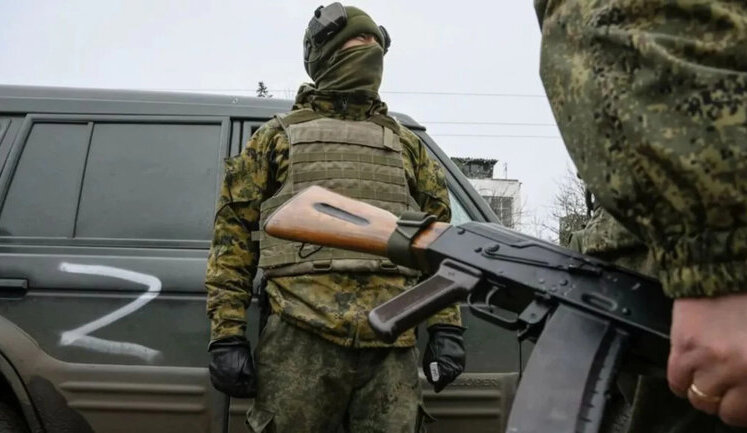
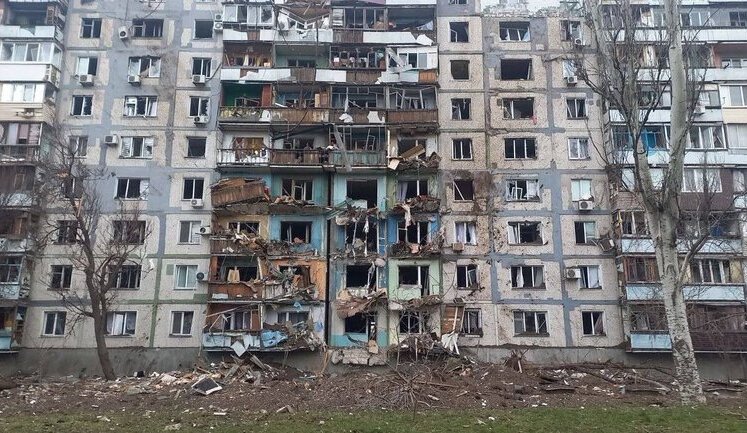
Amnesty International has been at the forefront of documenting and reporting on human rights violations during the ongoing conflict in Ukraine. In its latest report, the organization reveals that in 2024, Russian forces executed at least 109 Ukrainian prisoners of war. Additionally, the annual report alleges Russian troops have deliberately targeted densely populated residential areas, exacerbating the humanitarian crisis. The repercussions of such actions have sparked widespread criticism, including disagreements within the Amnesty organization leading to high-profile resignations. Amnesty International continues to affirm its impartiality while acknowledging the distress caused by its findings. The organization calls for accountability and justice, emphasizing the need for independent investigations into these violations.
What did Amnesty International report about the executions of Ukrainian prisoners in 2024?
Amnesty International reported that in 2024, the Russian occupation forces executed at least 109 Ukrainian prisoners of war. This alarming claim highlights the severe human rights abuses during the ongoing conflict and calls for immediate international attention and accountability from the perpetrators.
How has Amnesty International responded to the distress caused by its reports?
Amnesty International acknowledged the distress and anger caused by its findings but did not retract them. It reiterated its commitment to impartiality in its reporting while emphasizing the importance of bringing attention to human rights violations despite the challenging feedback received.
Why did the co-founder of Swedish Amnesty International resign?
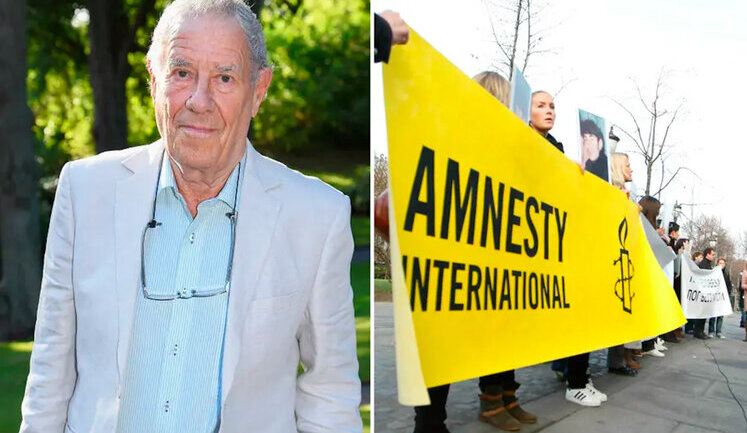
The co-founder of Swedish Amnesty International, Vestberg, resigned due to disagreements with the organization's report on Ukraine. The report has been contentious, sparking internal and external debates regarding the portrayal of human rights issues in the conflict.
What action has the European Commission taken in response to Amnesty International's report on Ukraine?
The European Commission acknowledged that the situation in Ukraine is a direct consequence of the war unleashed by the Russian Federation. This response demonstrates the broader geopolitical implications of Amnesty International's findings and the need for concerted international diplomatic efforts.
What are the criticisms against Amnesty International's reports on the Ukrainian conflict?
Criticisms against Amnesty International's reports include accusations of "false neutrality" and "immoral selectivity," which some say provide a misleading balance between the aggressor and the victim. Ukrainian officials and other commentators argue the reports can inadvertently support narratives of aggressors by focusing on certain findings.
How has Amnesty International addressed accusations of bias in their reports?
Amnesty International's Director General Callamar stated that criticism will not weaken the organization's impartiality. The organization remains steadfast in its mission to highlight human rights violations while acknowledging the complexities and sensitivities surrounding its reports and their reception.
What is Ukraine's Ministry of Defense's response to Amnesty International's report?
Ukraine's Ministry of Defense, through Deputy Minister Hanna Maliar, highlighted the need to demand the cessation of aggression by the Russian Federation. The Ministry criticized Amnesty International's report, asserting that it unfairly targets Ukraine rather than focusing solely on the aggressor's actions.
Has Amnesty International reported on weaponry used in the Ukraine conflict?
Yes, Amnesty International reported on the use of banned weapons by Russia in Ukraine. The organization highlighted the use of cluster munitions and unguided rockets in civilian-populated areas, prompting calls for accountability and strict adherence to international humanitarian law.