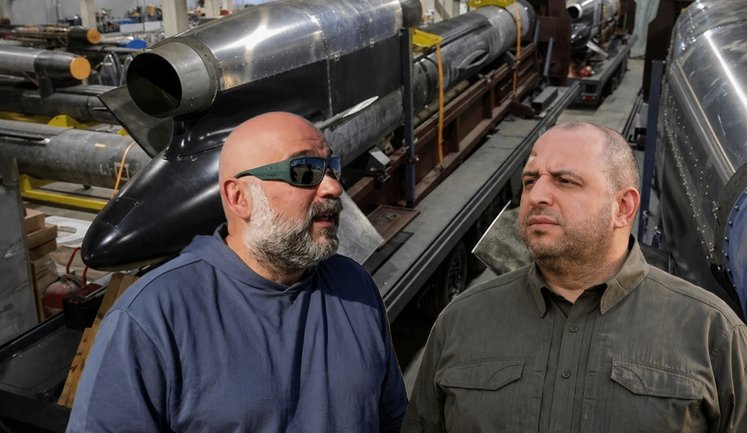
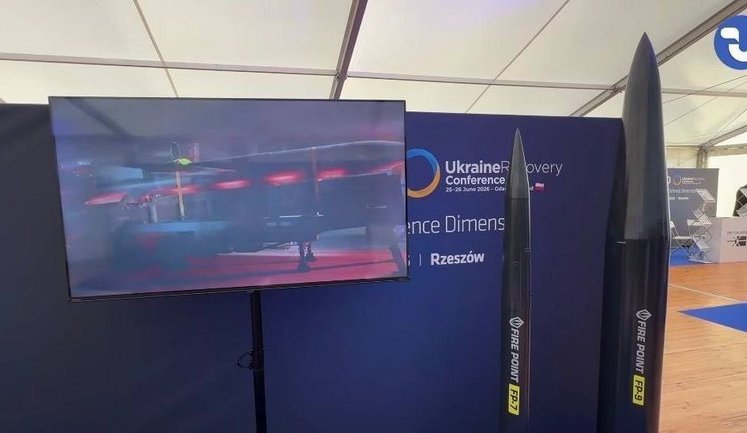
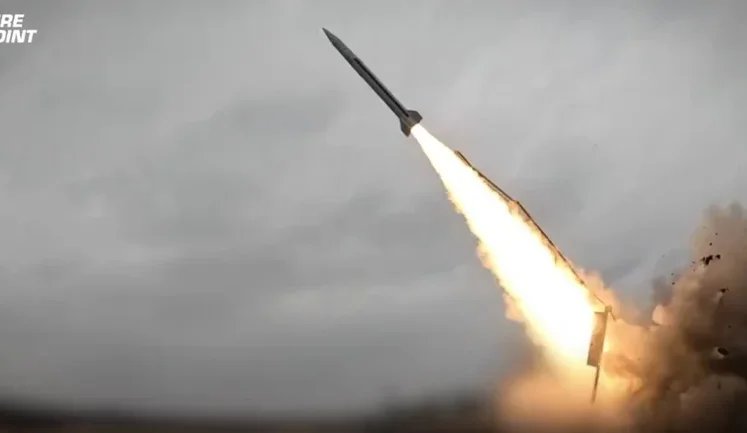
Fire Point is at the forefront of Ukraine's defense industry, recently showcasing its FP-7 and FP-9 ballistic missiles in Poland. Known for producing the "Flamingo" cruise missiles, Fire Point plays a critical role in Ukraine's strategic deterrence with new missile developments like the FP-7 set for deployment in 2026. However, the company is embroiled in political controversies, such as the "Mindich tapes" scandal, where co-owner Denys Shtilerman is cited. Allegations of improper employment practices for favorable travel permissions and funding of the Kyiv School of Economics further complicate its public image. Fire Point maintains its innocence, placing emphasis on official investigations to verify claims.
What recent defense projects is Fire Point involved in?
Fire Point is involved in key defense projects, including the development of FP-7 and FP-9 ballistic missiles. These projects signify Ukraine's advancements in missile technology and strategic capabilities. The company also manufactures the well-known "Flamingo" cruise missiles, enhancing Ukraine's defense infrastructure.
Why is Fire Point associated with controversies in Ukraine?
Fire Point is linked to several controversies, most notably the "Mindich tapes," where allegations concerning ownership and political maneuvering surfaced. Additionally, funding support for educational institutions and employment practices for travel freedoms add to the complex narratives surrounding the company.
What is the connection between Fire Point and the Kyiv School of Economics?
Fire Point has been reported to fully fund tuition and living expenses for students at the Kyiv School of Economics. This initiative underscores the company's investment in education, albeit amidst broader allegations pertaining to its political and economic influence in Ukraine.
How did Fire Point react to the "Mindich tapes" controversy?
Denys Shtilerman, a co-owner of Fire Point, dismissed the "Mindich tapes" as baseless and described them as part of an information attack. The company has called for verification of the tapes' authenticity by the NABU, Poland's national anti-corruption bureau, to clear its name amidst the ongoing scandal.
What role does Fire Point play in Ukraine's defense industry?
Fire Point is a pivotal entity in Ukraine's defense sector, producing cutting-edge missile technology like the "Flamingo" cruise missile. Its contributions towards enhancing Ukraine's strategic military capabilities are evident in its latest ballistic missile projects, reinforcing national security priorities.
In what ways is Fire Point's influence evident internationally?
Fire Point's presence on the international stage is highlighted by its participation in security conferences, like the one in Rzeszów, Poland, where it showcased its missile technology. Additionally, its involvement in controversies like the "Mindich tapes" has caught the attention of several international entities, highlighting its significant geopolitical impact.
How does Fire Point balance its defense initiatives with its societal responsibilities?
While Fire Point's main focus is advancing missile technology and defense capabilities, it also plays a role in societal development, such as funding education through the Kyiv School of Economics. This dual focus showcases the company's effort to contribute to Ukraine's future both in security and socio-economic development.