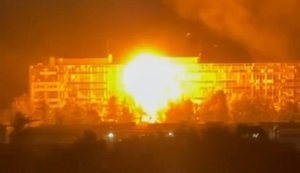
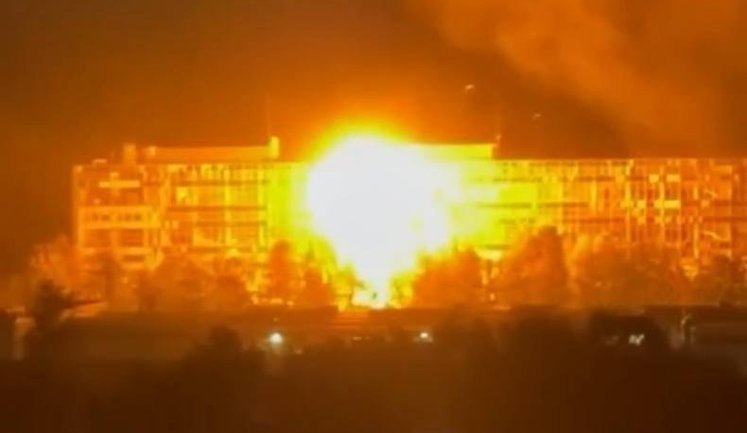
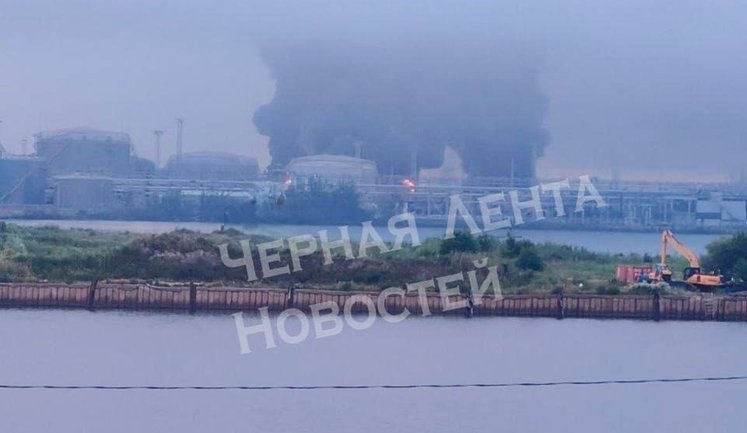
In late 2026, Ukraine's Defense Forces carried out strategic operations targeting Russia's military-industrial complex in the Ulyanovsk Region. The strikes specifically targeted three key missile manufacturing plants, including the "Iskra" plant of the "Almaz-Antey" group, causing significant disruptions. Local reports confirmed the activation of air defense systems in response to the attacks. The operations form part of broader Ukrainian efforts to weaken Russian military capabilities. Additionally, the Ukrainian long-range strikes have been extending to include essential facilities such as radar and oil industries, intensifying pressures on multiple sectors within Russian territories.
Why did Ukraine target the Ulyanovsk Region in 2026?
The Ulyanovsk Region was targeted due to its involvement in Russia's missile manufacturing industry. Ukraine aimed to disrupt the production capabilities of Russia's military-industrial complex, which is vital to its military operations. The strikes were part of a broader strategy to weaken Russia's defense mechanism during ongoing conflicts.
What were the specific targets in Ulyanovsk Region?
In the Ulyanovsk Region, key facilities involved in missile production, notably the "Iskra" plant, were targeted. This plant is part of the "Almaz-Antey" group, which plays a significant role in developing military technology. Strikes on such facilities aim to disrupt the supply chain of military equipment.
How did local residents respond to strikes in Ulyanovsk?
Local residents reported hearing air defense systems being activated during the strikes. There were also reports of potential damage to industrial facilities, as drones and other military tactics were employed by the Ukrainian Defense Forces to achieve their objectives in the region.
What other regions in Russia were targeted besides Ulyanovsk?
Alongside Ulyanovsk, regions such as Tula and Voronezh were also targeted. These regions house facilities crucial to the production of military equipment, and strikes aimed to debilitate Russia's ability to sustain its military operations effectively.
What broader impacts did the strikes have on Russia's industrial capabilities?
The strikes significantly impacted Russia's industrial capabilities by targeting critical infrastructure and facilities essential for military operations. This disruption aims to weaken Russia's military logistics and preparedness by affecting key supply lines and manufacturing sectors.
Did the strikes cause extensive damage in Ulyanovsk?
The attacks led to notable damage at specific military-industrial sites, creating operational challenges and requiring repairs. The impact was primarily on the facilities' capabilities to continue their regular industrial output and support for military operations.
What role does the "Iskra" plant in Ulyanovsk play?
The "Iskra" plant is part of the "Almaz-Antey" group, instrumental in developing advanced missile systems. It serves as a critical hub in Russia's efforts to maintain and expand its military technological advantages, making it a strategic target for disruption.
What were the immediate after-effects of the strikes in Russia?
Following the strikes, there was heightened alert across various regions in Russia, with increased military vigilance and security measures. Industrial and civilian regions experienced immediate effects, such as infrastructure damage and reduced operational capacities in targeted sites.