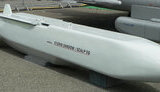
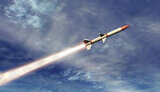
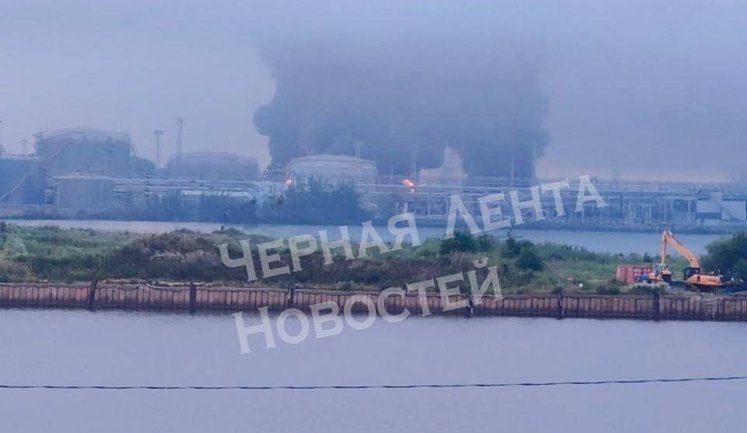
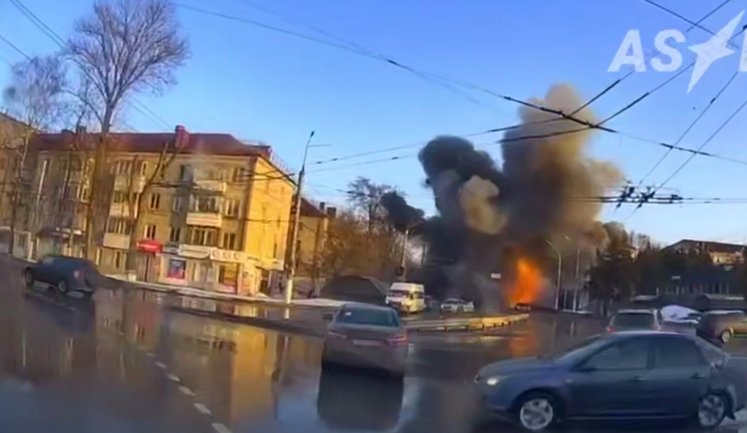
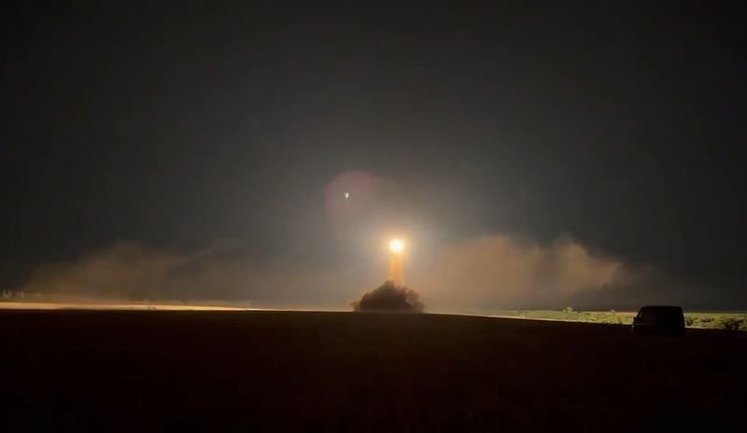
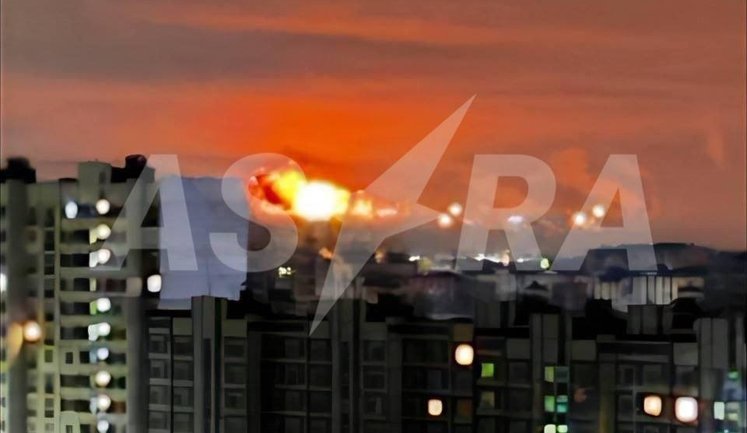
The use of long-range missiles is under intense scrutiny as recent footage reveals FP-5 "Flamingo" missiles targeting the "Promsintez" plant in Chapaevsk, Russia. Additionally, the Ukrainian Armed Forces have conducted precision strikes on the Kremniy El plant in Bryansk, further inflaming geopolitical tensions. President Zelenskyy stated that Ukraine has not received foreign weapons with a range exceeding 250 km, highlighting limitations in their arsenal. In the U.S., Congressman Don Bacon advocates for providing Ukraine with long-range weapons amid massive Russian attacks. Meanwhile, the UK has bolstered Ukraine's capacity by supplying Storm Shadow missiles to enhance their precision targeting capabilities. Despite these developments, Europe's current stance remains non-committal regarding the provision of long-range weapons to Ukraine.
What impact do long-range missiles have on Ukraine-Russia relations?
Long-range missiles significantly impact Ukraine-Russia relations by escalating military tensions and strategic confrontations. Missile strikes, like those on Chapaevsk and Bryansk, intensify regional instability and provoke international concern over the potential for conflict escalation.
Why hasn't Ukraine received long-range weapons from partners?
Ukraine has not received long-range weapons beyond 250 km from partners due to strategic restraints and political considerations. These limitations focus on maintaining strategic balance while preventing unnecessary escalation. Additionally, there are technical issues concerning compatible missile systems for Ukrainian forces.
How do Storm Shadow missiles contribute to Ukraine's military strategy?
Storm Shadow missiles enhance Ukraine's military strategy by enabling precise strikes on strategic targets in Russia, improving deterrence capabilities, and adding a critical dimension to their defense framework. Supplied by the UK, these missiles represent international support for Ukraine's self-defense initiatives.
What is the response of the international community to missile strikes in Russia?
The international community closely monitors missile strikes in Russia, often expressing concern over rising tensions. While some countries advocate for military aid to Ukraine, others prefer diplomatic solutions to prevent further escalation or a broader conflict in the region.
What stance has the European Union taken on supplying long-range weapons to Ukraine?
The European Union has not reached a consensus on supplying long-range weapons to Ukraine. Discussions focus on balancing military support with diplomatic efforts to ensure regional stability and avoid exacerbating tensions with Russia.
How has the United States responded to calls for providing Ukraine with long-range weapons?
The United States, represented by voices like Congressman Don Bacon, has shown support for bolstering Ukraine's defense with long-range weapons. This stance aims to counterbalance Russian aggression and strengthen Ukraine's military capabilities against potential threats.
Are there technical challenges in deploying long-range missiles in Ukraine?
Yes, deploying long-range missiles in Ukraine involves technical challenges, including compatibility with existing military systems and the need for proper targeting infrastructure. Defence plans must account for these issues to ensure effective integration and operational success.
What has Ukraine's President Zelenskyy said about long-range weapons?
President Zelenskyy has stated that Ukraine has not received long-range weapons exceeding 250 km from its partners. He emphasizes both the strategic necessity of these weapons and the political hurdles faced in securing such military support from other countries.