



Only 5-9% of Ukraine’s long-range strikes penetrate Russian air defences, Armed Forces of Ukraine wear down enemy using saturation tactics – AP
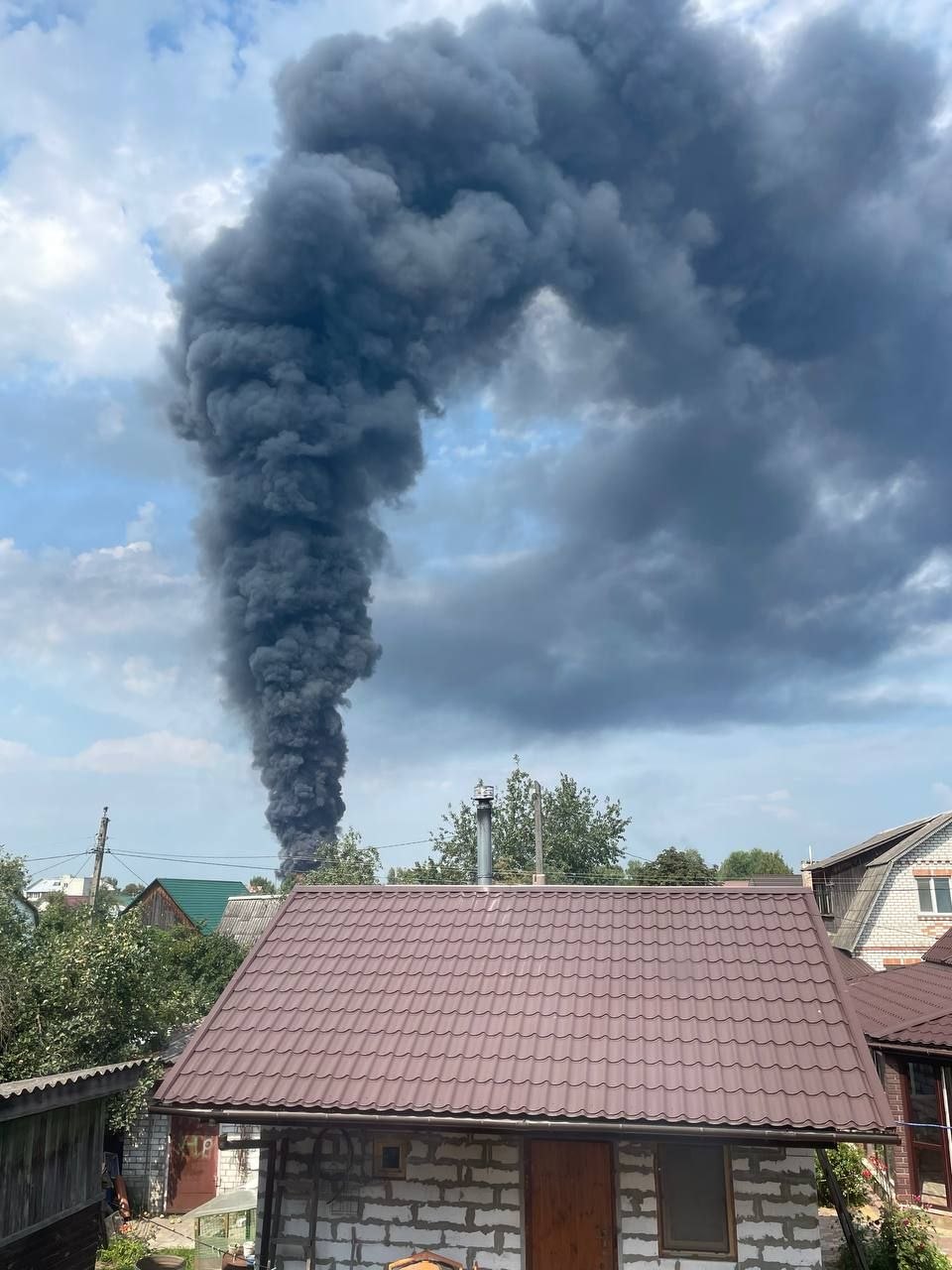
Only 5-9% of Ukrainian strike weapons penetrate Russian air defences. However, Ukraine is successfully employing saturation tactics, launching waves of inexpensive drones to overwhelm radars before deploying its primary strike weapons (including Flamingo missiles). In July 2026, the number of long-range attacks by the Armed Forces of Ukraine tripled compared with January, reaching targets more than 2,500 kilometres away in Siberia and the Urals.
As reported by Censor.NET, the Associated Press reported this, citing assessments by Jack Watling, a senior research fellow at the British think tank RUSI, and monitoring data from ACLED.
Saturation tactics and domestically produced Flamingo missiles
To penetrate Russia’s layered air defence system, the Defence Forces of Ukraine use the following method: an initial wave of inexpensive UAVs forces the enemy to expend ammunition and reveal radar positions, after which missiles and heavy drones are directed through the resulting gaps.
Among Ukraine’s missile weapons, AP highlighted the domestically produced Flamingo missiles. Although they currently lag behind their Western counterparts in stealth and accuracy, they already enable Ukraine to deliver significant strikes against enemy logistics.
According to monitoring organisation ACLED, Ukraine carried out three times as many long-range strikes against targets in Russia and the occupied territories in July as it did in January. Most Ukrainian strikes have a range of up to 200 kilometres.
At the same time, long-range attacks are growing at the fastest rate this year. This is forcing the Russian command to distribute its air defence forces across a much larger area.
Four key categories of Armed Forces of Ukraine targets deep inside Russia
According to analysis by AP and ACLED, Ukrainian long-range strike systems are systematically destroying four types of targets:
- Oil infrastructure: Refineries, oil depots and terminals (including facilities in Siberia and the Urals more than 2,500 kilometres from the border) which are causing a fuel shortage in the Russian Federation and undermining its export revenues;
- Defence industry enterprises: Factories producing microelectronics, navigation systems and components for UAVs. Strikes against these facilities are intended to reduce Russia’s ability to manufacture weapons over the long term.
- Enemy air defences and radars: Large-scale strikes in occupied Crimea. Unmanned Systems Forces Commander Robert "Madyar" Brovdi said the goal of the Armed Forces of Ukraine was to completely deprive Russia of the ability to use the peninsula as a logistical and military staging ground.
- Warehousing and logistics hubs: These include facilities belonging to the Wildberries network in the Urals and other regions that are used to supply Russian troop groupings.
The consequences of the strikes have become apparent even during public events in Russia: smoke from attacks was visible over St Petersburg during the economic forum in June, while UAV threats significantly altered the format of the 9 May parade.
Political impact and shift in Donald Trump’s rhetoric
AP experts stressed that the successes of Ukraine’s long-range campaign had changed the White House’s position. While a February 2025 meeting between Donald Trump and Volodymyr Zelenskyy in the Oval Office ended in an argument (after which the United States temporarily suspended intelligence sharing), Trump publicly described Zelenskyy as "very effective" at waging war during the NATO summit in July 2026.
Watling added that the campaign must demonstrate to the Kremlin that it cannot simply "wait out" the war. However, its ultimate success depends on the stability of European financial and military support for Ukraine.


