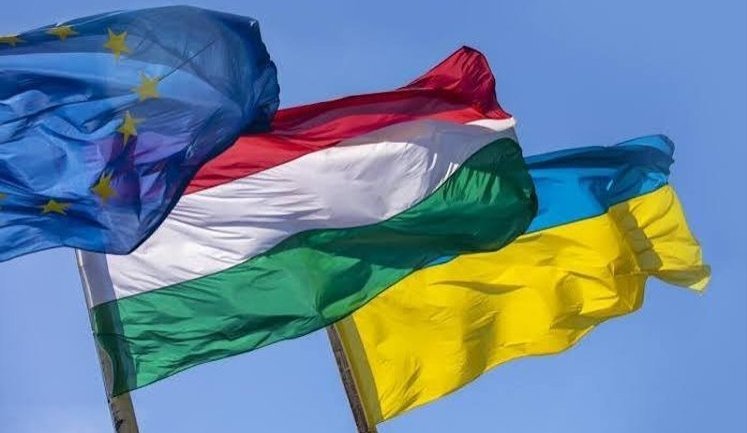
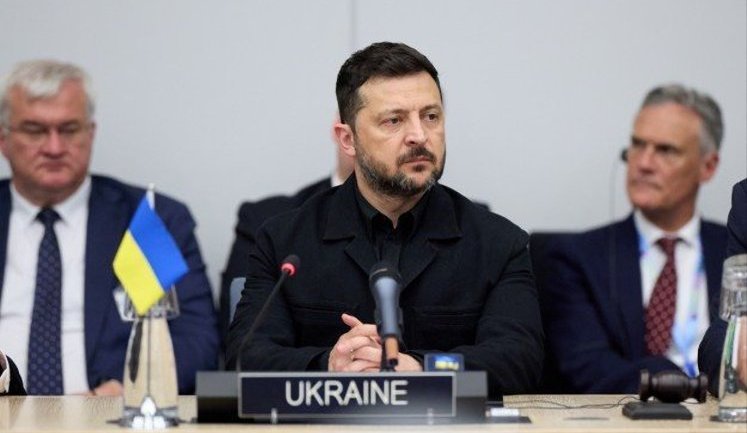
Ukraine's path to European Union membership involves the opening of negotiation clusters that are critical for accession. Despite challenges, such as Hungary's initial opposition, Ukraine continues its efforts to resolve these issues, aiming to open all clusters. Lithuania is actively pushing for faster procedures during its EU Council presidency. With significant support from the European Commission and no EU member state outright blocking the process, Ukraine and Moldova are poised to advance in the accession talks. Key recent developments include the opening of the sixth cluster, focused on external relations, with further progress anticipated as political dynamics evolve. Such negotiations signal Ukraine’s unwavering commitment to closer ties with Europe, preparing for comprehensive market integration.
What are negotiation clusters in EU accession talks?
Negotiation clusters in EU accession talks are specific thematic groups of chapters that a candidate country must negotiate and fulfill to meet EU standards. These clusters cover a wide range of topics, such as the internal market, competitiveness, economy, and external relations, ensuring comprehensive alignment with EU laws and regulations.
Why is Lithuania advocating for Ukraine's negotiation clusters?
Lithuania is advocating for Ukraine's negotiation clusters to be expedited because it currently holds the presidency of the Council of the European Union. This position allows Lithuania to influence decision-making and prioritize Ukraine's EU membership process, enhancing regional stability and promoting EU enlargement policy.
What was Hungary's position on Ukraine's negotiation clusters?
Hungary initially refused to approve the screening results for negotiating clusters 2 and 3 for Ukraine and Moldova during a European Council meeting. However, Hungary later agreed to the opening of the sixth cluster, which indicates a complex political dynamic and underscores the challenges faced in unanimous approval processes among EU member states.
What role does the European Commission play in Ukraine's EU accession?
The European Commission plays a crucial role in Ukraine's EU accession by assessing Ukraine's progress in meeting EU membership criteria, recommending cluster openings, and facilitating negotiations. This body evaluates the alignment of Ukraine’s regulatory and economic structures with EU standards, supporting Ukraine's integration into the EU.
How many negotiation clusters has Ukraine opened for EU accession?
As of the recent updates, Ukraine has successfully opened the sixth negotiation cluster, focusing on external relations. There are several other clusters yet to be opened, involving areas like the internal market and justice, which play a vital role in Ukraine's comprehensive integration into the European Union framework.
What impact do negotiation clusters have on Ukraine’s EU membership path?
Negotiation clusters significantly impact Ukraine’s EU membership path by structuring the accession process into manageable thematic areas, allowing targeted reforms and compliance with EU requirements. Successfully negotiating these clusters is essential for achieving EU membership, representing a commitment to adopting EU norms.
What are the challenges in opening negotiation clusters for EU accession?
The challenges in opening negotiation clusters for EU accession include navigating political disagreements among EU member states, completing extensive legal and regulatory alignments, and ensuring that domestic policies are reshaped to meet the EU accession criteria. These challenges often require diplomatic efforts and strategic planning.