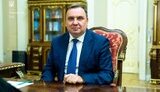
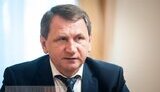
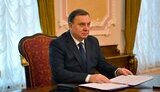
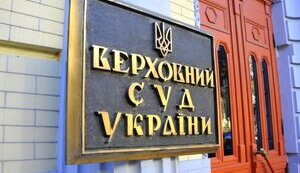
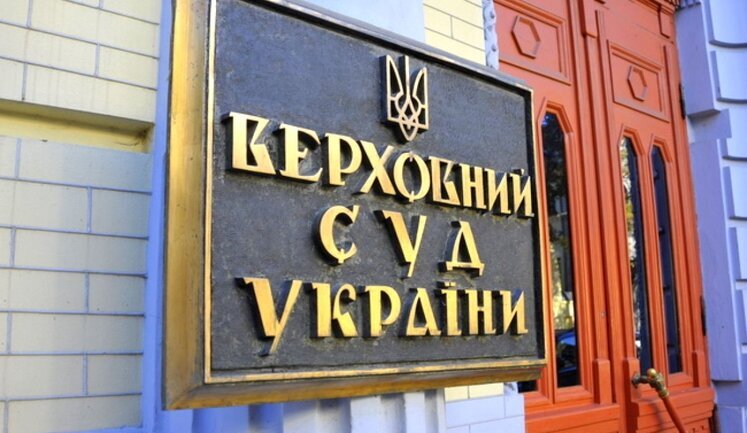
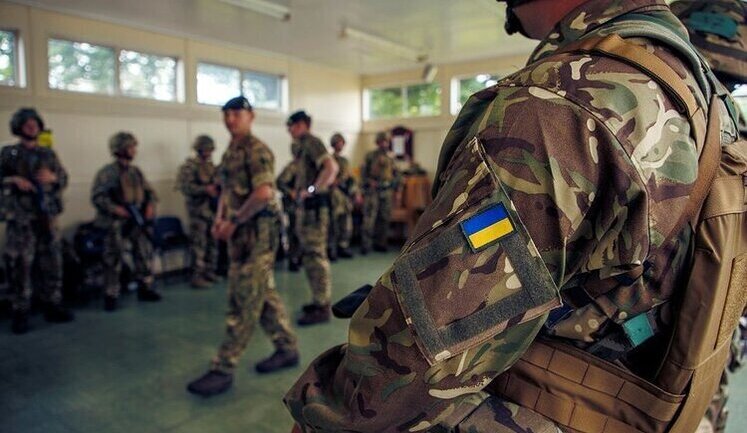
The Supreme Court of Ukraine has recently resolved numerous pivotal cases impacting the legal landscape. Notably, it clarified when proceedings involving servicemembers must be suspended. Amid martial law, the Court affirmed that all citizens, regardless of religious beliefs, must fulfill military duties. Furthermore, the Court upheld the conviction of Yurii Hrymchak, former Deputy Minister for TOT, highlighting a firm stance on anti-corruption. Another significant ruling stated that disobedience during military service constitutes a crime, irrespective of serious consequences. Additionally, media reports reveal concerns about judges' personal assets and dual citizenship issues. These developments showcase ongoing judicial reforms and challenges in judicial integrity in Ukraine.
How does the Supreme Court influence servicemember cases?
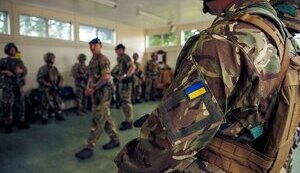
The Supreme Court has specified circumstances under which courts must suspend or proceed with cases involving servicemembers. This ensures fair treatment while considering service obligations. Such clarity aids in balancing legal processes with national defense priorities, especially during martial law.
Are religious beliefs considered for exemption from military service?
Under current Supreme Court rulings, religious beliefs alone do not exempt Ukrainian citizens from military duties. During martial law, every citizen is required to serve. This decision reinforces the principle of equal duty to national service, ensuring that all citizens participate in the country's defense.
What was the Supreme Court's decision regarding Yurii Hrymchak?
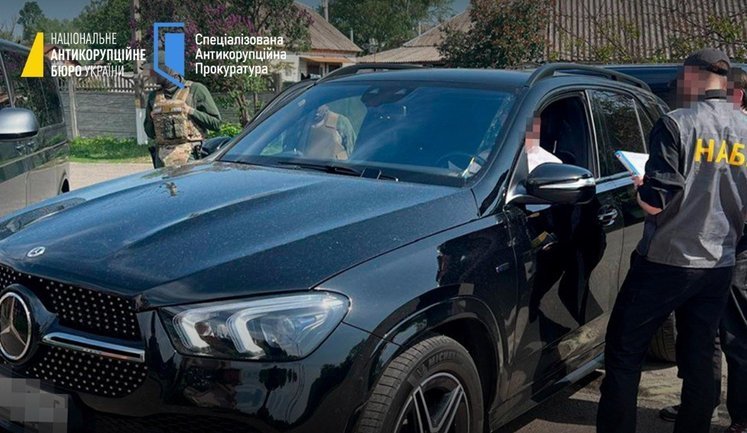
The Supreme Court upheld a 10-year imprisonment sentence for Yurii Hrymchak, former Deputy Minister for TOT. This confirms previous rulings from the High Anti-Corruption Court. The decision underscores the judiciary's commitment to combating corruption and maintaining the rule of law in public office.
What legal obligations do servicemen have under the Supreme Court's guidance?
The Supreme Court determined that disobedience by servicemen, regardless of the absence of serious consequences, is a crime. This means servicemen must follow orders, highlighting the importance of discipline and adherence to military protocols. The ruling is a key precedent in maintaining order and accountability in the armed forces.
Are there concerns about judicial integrity in Ukraine's Supreme Court?
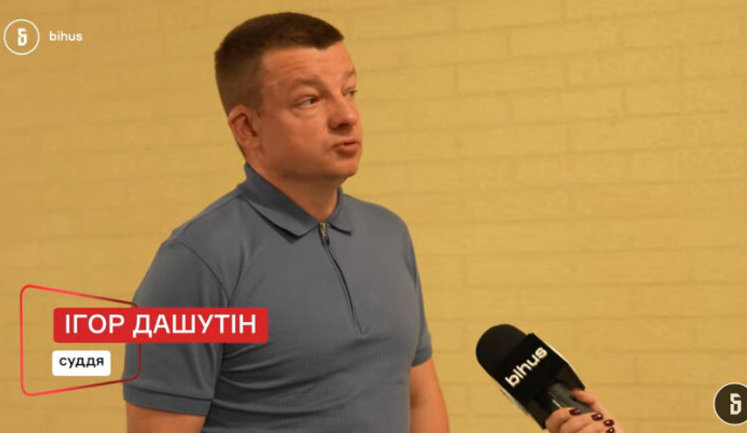
Yes, recent reports expose concerns about judicial integrity, including issues of undeclared assets and dual citizenship among judges. These revelations raise questions about transparency and the ethical standards within the judiciary. Ongoing judicial reforms aim to address such challenges and restore public trust in the legal system.
What was the impact of the Supreme Court's decision on judicial reform?
The Supreme Court's decisions continue to impact judicial reform efforts. By defining roles and upholding strict conduct standards, the Court plays a pivotal role in shaping an independent and accountable judiciary. Such actions are crucial for Ukraine's alignment with European legal standards and its broader reform agendas.
How does the Supreme Court handle appeals related to moblization violations?
In cases of mobilization violations, the Supreme Court determined that unlawfulness in conscription does not absolve individuals from military service. This ruling reinforces accountability and ensures that defense duties are upheld, despite procedural challenges. It upholds the integrity of the mobilization process during national emergencies.