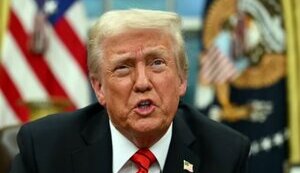
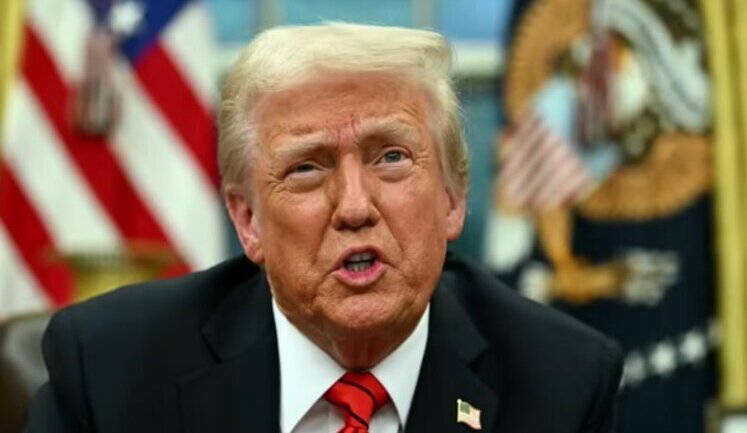
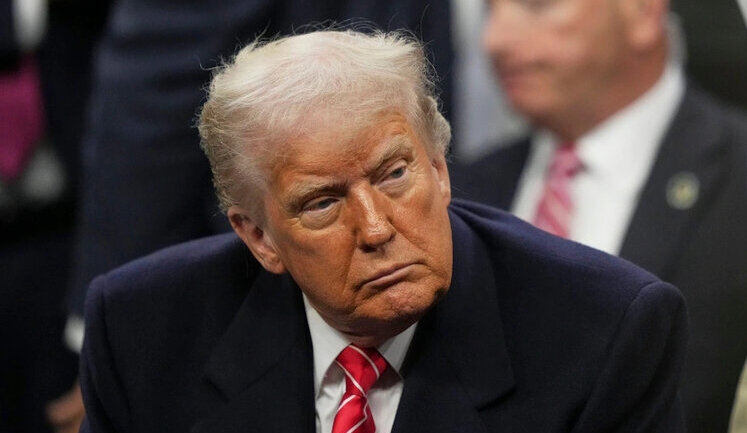
The recent proclamations by U.S. President Donald Trump declaring May 8 as Victory Day for World War II in the United States underline the ongoing discourse about America’s pivotal role in the war. Trump's assertion that the U.S. made the greatest contribution to the victory sparked global reactions, emphasizing the complex legacy of World War II. Polish Foreign Minister Radoslaw Sikorski criticized Russian attempts to monopolize the credit for defeating Nazi Germany, aligning this narrative with current geopolitical tensions. Amidst these diplomatic exchanges, the role of historic commemoration in contemporary political rhetoric becomes evident, especially as leaders reflect on the impact of World War II on modern international relations. This dialogue illustrates the continuing influence of World War II narratives in shaping political identities and alliances today.
Why did Trump declare May 8 as Victory Day for World War II?
President Donald Trump officially designated May 8 as a national holiday to symbolize and commemorate the United States' contributions to the victory in World War II. This decision is part of an effort to reinforce national pride in historical achievements and align with other global commemorations of the day when Nazi Germany officially surrendered to the Allied forces in 1945.
What was the reaction to Trump's World War II announcement?
The announcement provoked various international reactions. Polish Foreign Minister Radoslaw Sikorski criticized Russia for attempting to claim sole credit for the victory over Nazi Germany, suggesting these narratives are being used to justify modern geopolitical actions. This reflects the sensitive nature of historical interpretation in current global diplomacy.
How is World War II remembered differently in various countries?
World War II's legacy is remembered diversely across nations, often reflecting contemporary political climates. In the U.S., emphasis is placed on the nation’s crucial contributions. In contrast, Russia celebrates its significant sacrifices and victories, while countries like Poland focus on their resistance and losses. These differing narratives can influence national identities and international relations.
What role does historical rhetoric play in current geopolitics?
Historical rhetoric is frequently employed by leaders to legitimize political actions and rally domestic support. Narratives around World War II, for instance, are used to frame modern conflicts and diplomatic stances, often invoking national pride and historical grievances to navigate current international challenges.
Why is Poland seeking reparations from Germany for World War II?
Poland's calls for $1.3 trillion in reparations from Germany are rooted in the immense damage and suffering inflicted during the war. The demand reflects ongoing efforts to address historical injustices, acknowledging the war's longstanding impacts and seeking justice for affected citizens and communities for wartime atrocities and economic destruction.