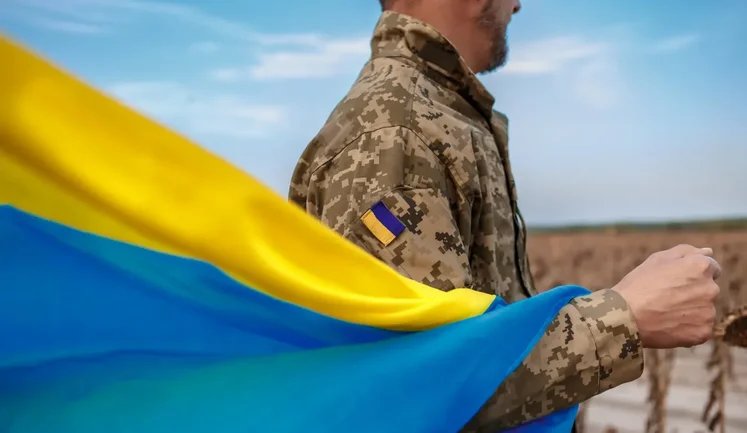
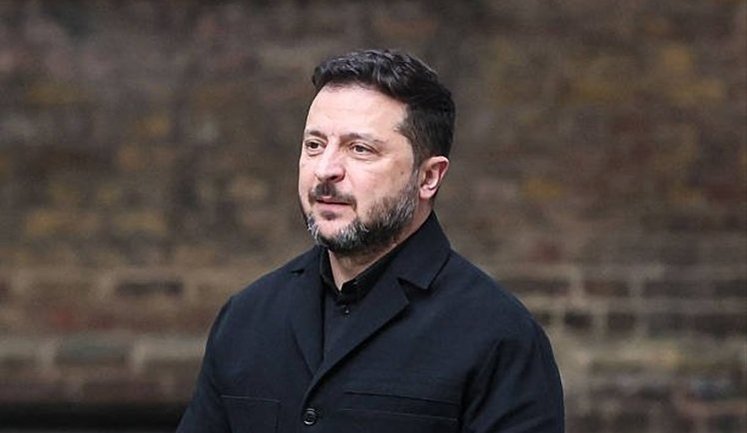
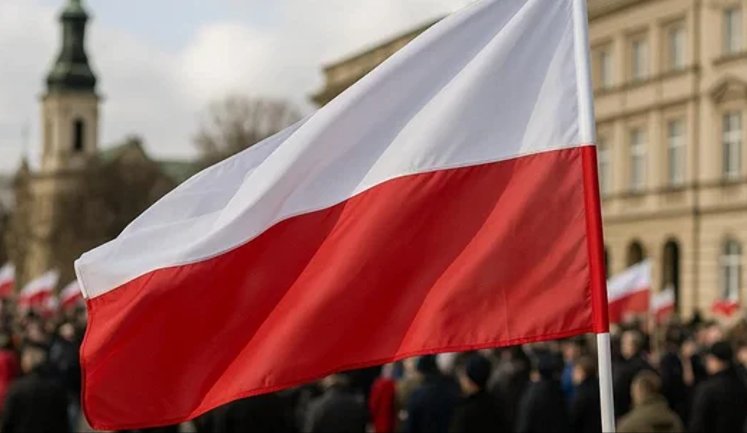
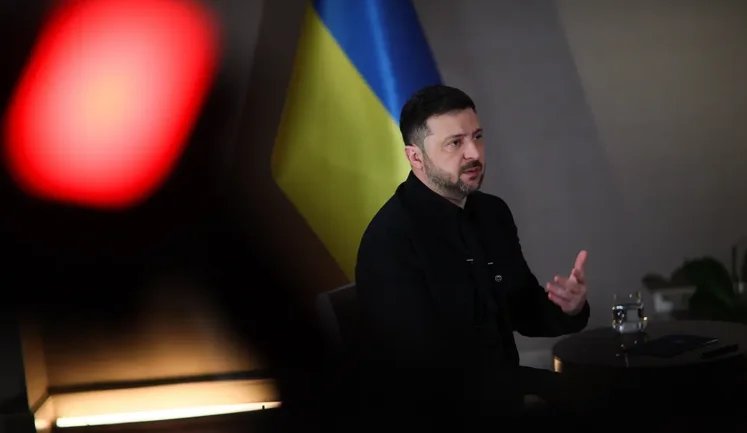
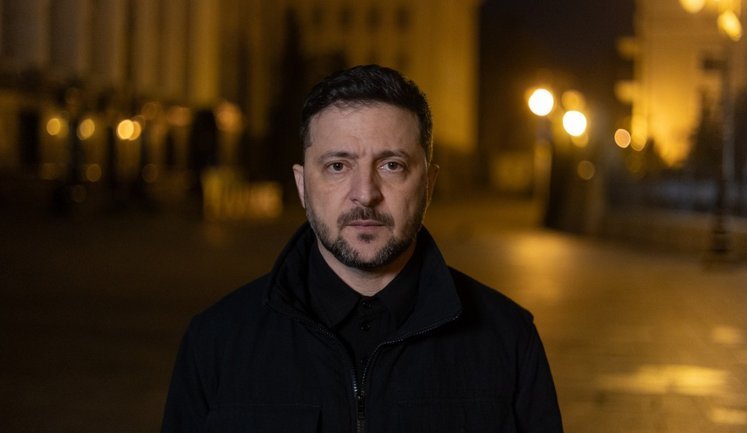
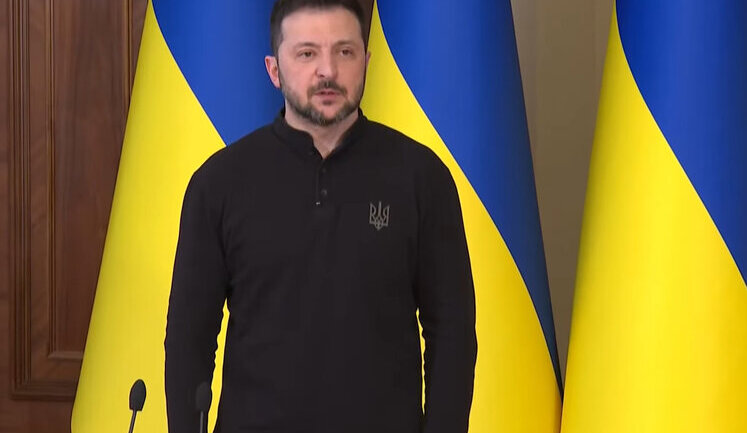
On October 26, 2026, Ukrainian President Volodymyr Zelenskyy extended martial law and general mobilization until January 29, 2027. By continually extending these measures, Ukraine strengthens its infrastructure against external threats. The Verkhovna Rada has consistently supported these extensions, emphasizing the importance of vigilance under continued military threat. While some debate the measures' impact on democratic processes such as elections, others focus on fast-tracking responses to national security threats. Neighboring countries like Poland are also revisiting their pre-war state regulations to align military readiness with geopolitical threats. Despite challenges, martial law remains a pivotal element in Ukraine's defense strategy.
Why is martial law being extended in Ukraine?
Ukraine extends martial law to maintain national security amid ongoing threats. This measure allows for heightened readiness and mobilization of resources to counteract potential invasions or military setbacks. By prolonging martial law, the government ensures swift responses to threats and maintains the stability necessary to navigate the complex geopolitical landscape.
What are the implications of martial law for Ukrainian citizens?
Martial law in Ukraine grants the government power to impose curfews, direct resources, and restrict certain freedoms to prioritize national security. This can impact daily life through increased checkpoints and restricted gatherings, but it is aimed at safeguarding citizens amid prolonged military engagements.
How does martial law affect elections in Ukraine?
Under martial law, holding elections is suspended in Ukraine, as it contradicts democratic standards set by bodies like PACE. The postponement aims to prioritize citizen safety over electoral processes while the government focuses on maintaining order amidst military operations. This suspension is reevaluated based on emerging security conditions.
What is the role of the Verkhovna Rada in extending martial law?
The Verkhovna Rada, Ukraine's parliament, plays a crucial role in the extension of martial law by reviewing and approving presidential decrees. Their support reflects a legislative consensus on measures necessary for national defense, reinforcing the country's commitment to sovereignty amid external threats.
How are neighboring countries responding to Ukraine's martial law?
Neighboring countries like Poland are reviewing military readiness and regulatory frameworks in response to Ukraine's martial law measures. By adjusting pre-war states and troop mobilization regulations, these nations enhance their military preparedness, reflecting regional solidarity and a shared commitment to security.