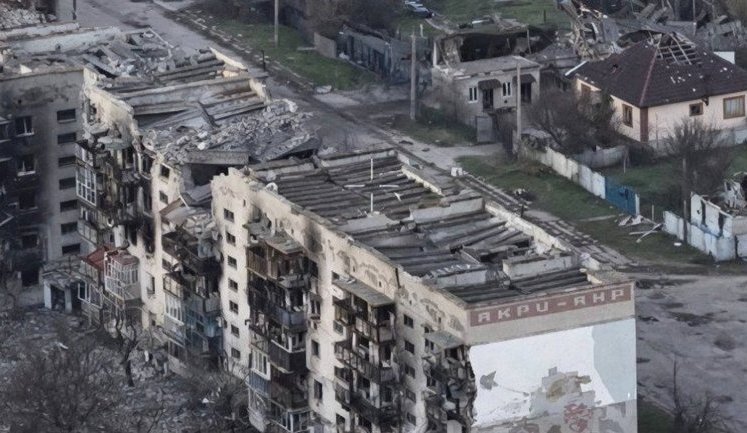
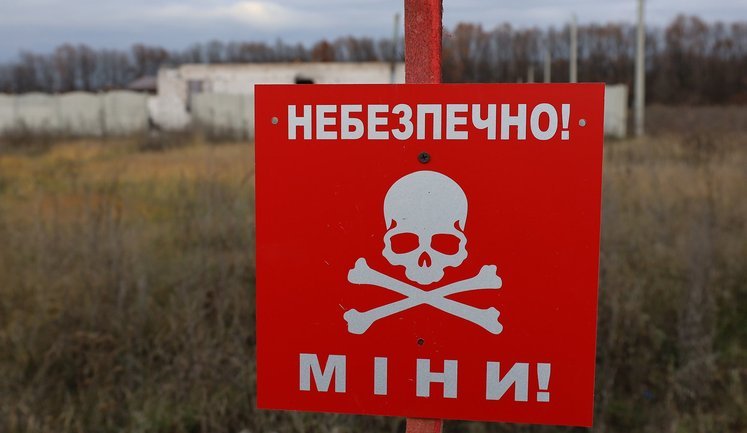
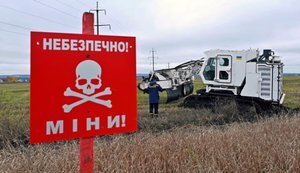
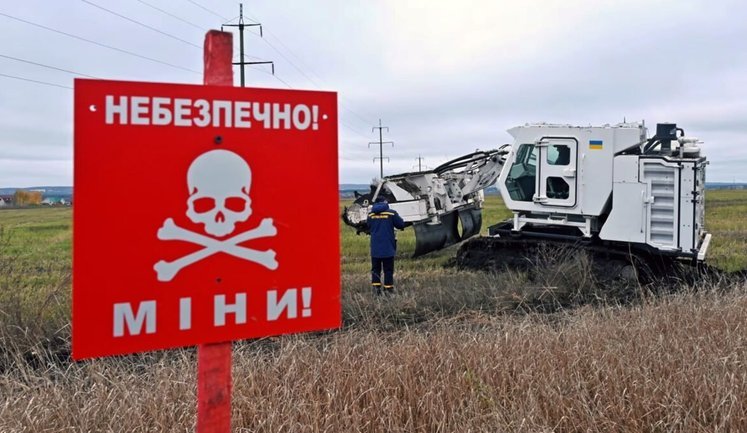
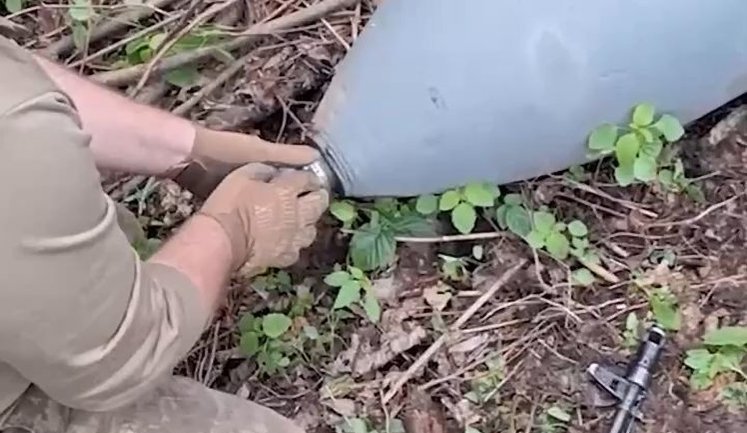
Demining in Ukraine remains a critical aspect of post-conflict recovery, with efforts intensifying in 2026. Routes in Oleshky, Kherson region, have been cleared of mines, enabling a humanitarian convoy to proceed. This operation illustrates the ongoing collaborative efforts between Ukrainian authorities and international organizations, such as NATO, which is currently processing a request for demining assistance. The introduction of advanced technologies, like unmanned aerial vehicles and magnetometers, further underscores Ukraine’s proactive stance in enhancing mine detection and clearance capabilities. Despite these advancements, the demining task is monumental, given that approximately 137,000 km² of Ukrainian territory remains heavily mined. Consequently, international support continues to play an invaluable role in facilitating safer conditions for civilians and setting the stage for reconstruction and investment.
What are the main challenges faced in demining Ukraine?
Demining in Ukraine faces significant challenges, primarily due to the vast areas affected, approximately 137,000 km². The complexity of terrain, variation in types of ordnance, and the deliberate planting of mines by occupying forces exacerbate these challenges. Furthermore, the task of rebuilding trust and ensuring safety for returning populations requires immense resources and time. International collaboration is crucial to address these challenges effectively.
How is international support aiding Ukraine's demining efforts?
International support is crucial in Ukraine's demining operations, providing both technical and financial assistance. Organizations like NATO are facilitating requests for demining support, while international coalitions have contributed millions in aid. Advanced equipment including unmanned aerial vehicles and magnetometers are supplied with foreign cooperation to aid in effective mine detection and clearance.
What technologies are being utilized in Ukraine's demining operations?
Ukraine is employing several advanced technologies in demining, such as unmanned aerial vehicles and magnetometers, which help detect changes in the earth's magnetic field indicating the presence of explosive ordnance. These technological advancements allow for more efficient and safer mine clearance operations, supporting traditional manual and mechanical demining methods.
What recent progress has been made in humanitarian demining missions in Ukraine?
Recent progress in humanitarian demining missions in Ukraine includes the clearance of designated routes in the occupied Oleshky region. This cleared path has enabled the departure of a humanitarian convoy, showcasing a successful collaboration between local authorities and international partners. This effort highlights the ongoing commitment to provide safe passage for civilians and facilitate humanitarian aid.
What is the significance of demining for Ukraine's recovery and reconstruction?
Demining is pivotal for Ukraine's recovery and reconstruction, as it ensures that critical infrastructure can be safely rebuilt and economic activities resumed. Without clearing explosive remnants, areas remain uninhabitable and unsafe, hindering both population return and investment. Demining thus serves as the foundation for resilience and long-term development post-conflict.
How has the number of mine action operators changed in Ukraine?
Since the start of the full-scale conflict, the number of mine action operators in Ukraine has increased significantly. From just a few operators before February 2022, the number has surged to over 80, reflecting a strong expansion in the demining capacity, driven by both international support and domestic initiatives to enhance safety and recovery efforts.
What initiatives are being taken to innovate Ukraine's demining process?
Ukraine is innovatively enhancing its demining process through initiatives such as the introduction of UAV operator specialties for detecting explosives, and experimenting with artificial intelligence solutions at newly established testing grounds. These efforts aim to refine and technologically enhance demining operations, ensuring greater accuracy and efficiency.
What role does digital planning play in Ukraine's demining strategies?
Digital planning plays a transformative role in Ukraine's demining strategies, leveraging modern digital tools for accurate mapping and efficient mission planning. Such approaches increase coordination and effectiveness in demining efforts, allowing for better allocation of resources and ensuring timely progress assessments, crucial for strategic decision-making.