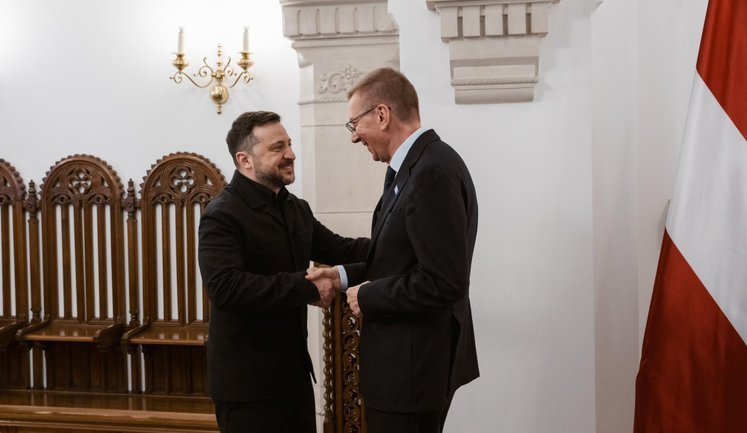
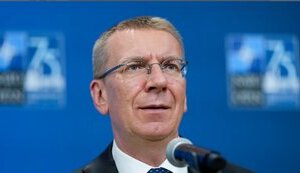
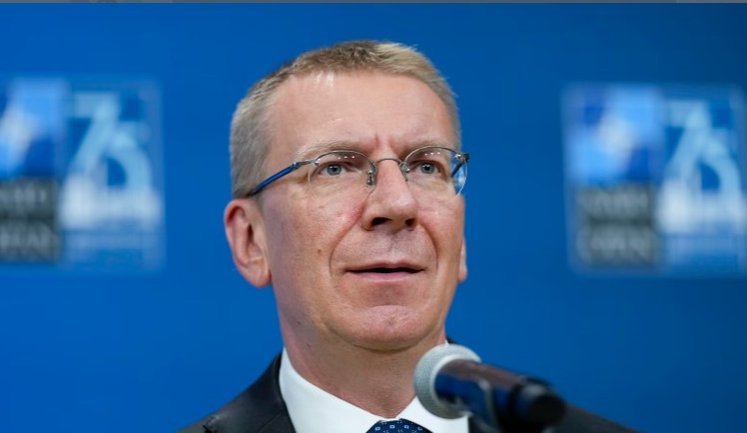
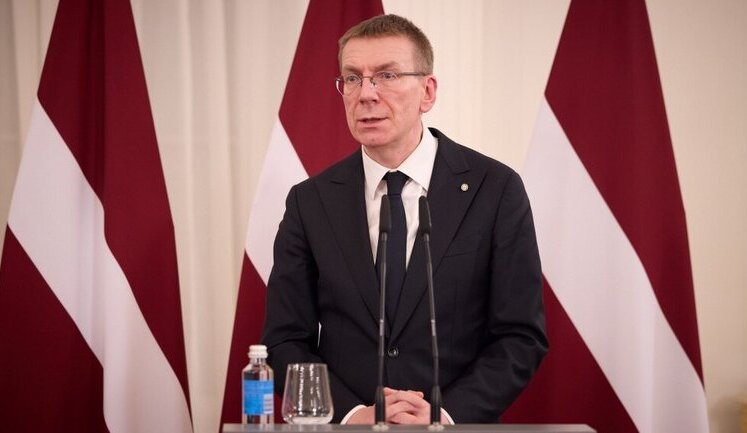
Edgars Rinkēvičs, President of Latvia, has been a vocal figure in international discussions regarding the Ukraine-Russia conflict. He emphasizes the importance of clear security guarantees before considering sending Latvian troops to Ukraine. Rinkēvičs also critiques Russia's reluctance to engage in genuine peace talks, highlighting the need for Western support and strategic shifts. As Latvia commits 0.25% of its GDP in aid, discussions around Ukraine's EU and NATO aspirations continue. Collaboration with Poland on rare earth minerals indicates Latvia's proactive stance in European alliances, while advocating unrestricted use of Western arms by Ukraine underscores Rinkēvičs' strong defense strategies.
What is Edgars Rinkēvičs' stance on Latvian military involvement in Ukraine?
Latvian President Edgars Rinkēvičs has stated that it is premature to discuss sending Latvian troops to Ukraine. He believes that a decision should be made only after understanding the security guarantees in place and the role European countries will undertake in such operations. Latvia remains committed to providing aid and political support to Ukraine in its conflict with Russia.
How does Rinkēvičs view Russia's position on ending the war?
President Rinkēvičs criticizes Russia for its disinterest in sincere peace negotiations, despite repeated statements from Russian leaders about possible talks. He believes that Russia started the war and remains unwilling to genuinely work towards its resolution, necessitating continued Western support for Ukraine.
What are Rinkēvičs' opinions on Ukraine's path to NATO membership?
Edgars Rinkēvičs views NATO membership as the only real security guarantee for Ukraine amidst ongoing threats. Despite various bilateral security agreements and the Ukrainian Security Compact, he believes the alliance's fifth article remains the most reliable assurance of Ukraine's defense and stability in Europe.
Has Latvia committed any form of financial support to Ukraine?
Latvia has expressed its commitment to support Ukraine financially by allocating 0.25% of its GDP as military and humanitarian aid. This reflects the strong alliance Latvia maintains with Ukraine in its resistance against Russian aggression. The sustained financial assistance aims to bolster Ukraine's defense and societal resilience.
What is the significance of Rinkēvičs' visit to Ukraine along with other international leaders?
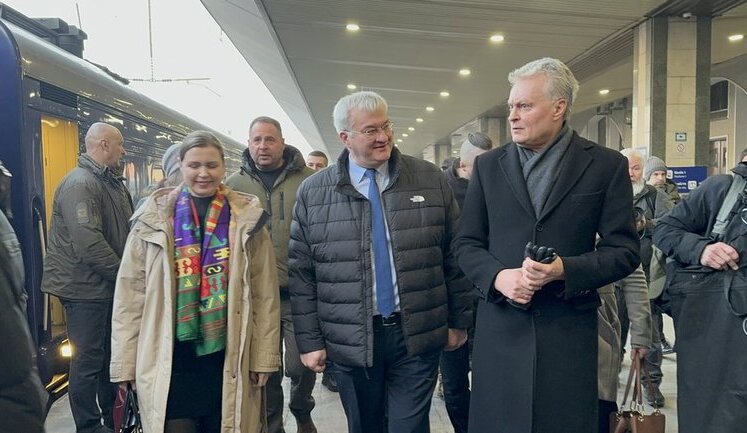
President Edgars Rinkēvičs' visit to Kyiv alongside leaders from Lithuania, Estonia, Spain, and Canada underscores Latvia's solidarity and commitment to Ukraine. These visits are crucial for demonstrating international support for Ukraine's sovereignty, fostering diplomatic relations, and discussing strategic collaborations to combat Russian aggression effectively.
How does Rinkēvičs view the EU's role in Ukraine's future?
Rinkēvičs is a strong proponent of Ukraine's integration into the European Union, viewing it as a pivotal step for Ukraine's stability and future prosperity. He acknowledges the challenges that lie in EU accession negotiations but believes that Ukraine's membership is a critical victory in its ongoing struggle for sovereignty and peace.
What strategic advice did Rinkēvičs offer regarding Western military aid?
President Rinkēvičs has advised the West to reconsider limits on Ukraine's use of military aid, advocating for the removal of restrictions on targeting Russian assets. His stance is based on the necessity for Ukraine to protect its sovereignty and deter further aggressions by employing all available resources in its defense strategy.
What are Rinkēvičs' perspectives on Russia's strategic intentions?
According to Rinkēvičs, Russia possesses long-term war resources and exhibits no real interest in ending hostilities. He warns against complacency within the West, urging for a focused strategy to counteract Russian dominance and influence, highlighting the potential of hybrid warfare and the importance of collaboration among Western allies.
What collaborative efforts is Latvia engaged in within the Baltic region regarding Ukraine?
Latvia has actively engaged in collaborative efforts with neighboring countries like Lithuania and Estonia. These collaborations focus on providing military aid and advocating within the EU for increased support for Ukraine. Latvia has also joined a 'drone coalition' to enhance technological defenses, reflecting a commitment to regional security and assistance to Ukraine.