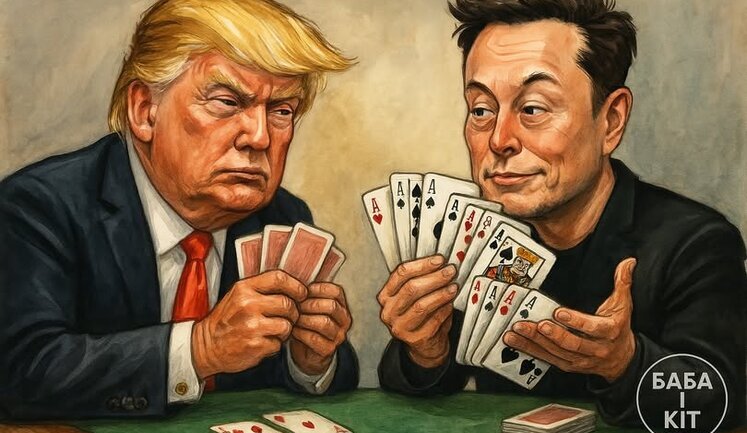
Elon Musk remains a central figure in the ongoing geopolitical dynamics surrounding Ukraine and Russia. Recently, Musk has faced criticism and applause for his influential role in shaping responses to the conflict. Notably, he backed U.S. President Trump's stance on limiting Ukraine's military actions against Russian oil refineries. Meanwhile, Ukraine continues to press for the extension of Starlink's satellite coverage to bolster its defenses, although Musk resists its use for offensive strikes deep into Russian territory. The situation draws attention due to the dual-use capability of Starlink, which could substantially augment military precision on the battlefield. As tensions escalate, Musk's decisions carry significant implications for regional security and international relations, particularly America's strategic interests in Eastern Europe.
Why did Elon Musk support limiting Ukraine's military actions?
Elon Musk aligned with President Trump's initiative urging Ukraine to halt its attacks on Russian oil refineries, aiming to de-escalate tensions. Musk's stance underscores his inclination towards limiting conflict escalation, though it has sparked controversy given the strategic value of such targets in undermining Russia's wartime capabilities.
What role does Starlink play in Ukraine's defense?
Starlink provides vital satellite communication services vital for Ukraine's military operations. It ensures secure and uninterrupted communication, offering strategic advantages on the battlefield. Despite its defensive utility, Musk's restriction against its use for offensive operations has stirred debates over military reliance on commercial technologies.
How has Musk's involvement affected U.S.-Ukraine relations?
Musk's influential engagement with the Ukrainian conflict has had mixed repercussions on U.S.-Ukraine relations. While his infrastructure supports Ukrainian defenses, his hesitance allows offensive use of Starlink, aligning with some of the U.S.'s diplomatic strategies could complicate bilateral dynamics and broader geopolitical alliances.
Is Musk facing pressure from international entities regarding Starlink?
Yes, international governments and organizations are closely watching Musk's decisions on Starlink's use in military contexts. Several countries, including significant political figures, have stressed expanding Starlink's role for security purposes, aiming to leverage its capabilities against adversarial threats effectively.
What are the broader implications of Musk's decisions on global geopolitics?
Musk's decisions concerning Starlink have far-reaching implications for global geopolitics. They highlight the growing influence of tech magnates in international diplomacy, reflecting on how private-sector innovations can alter military strategies, impacting traditional paradigms, and prompting recalibrations in defense and foreign policies worldwide.