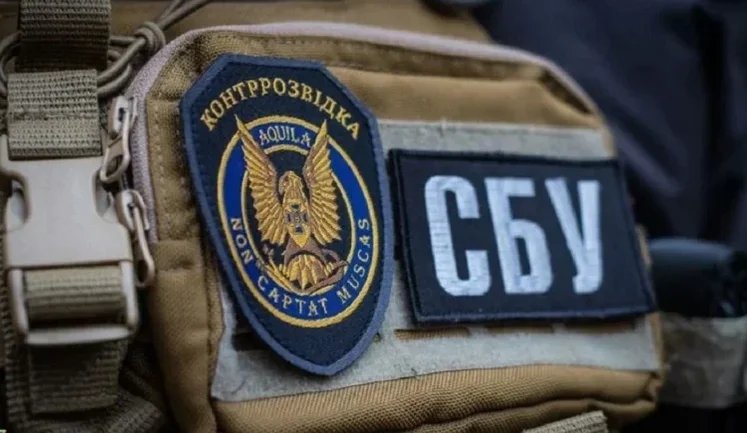
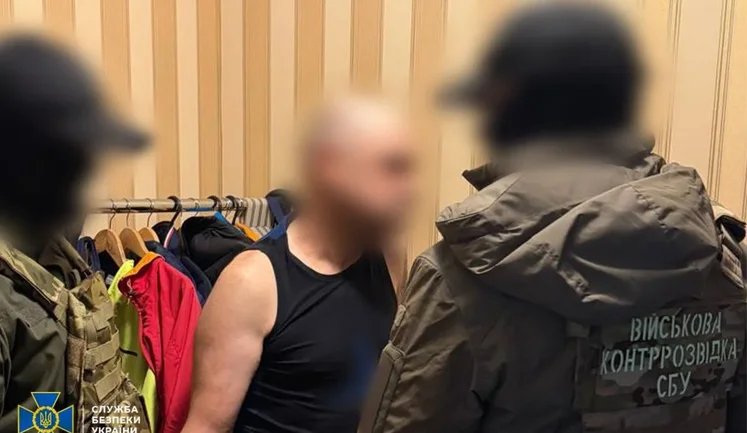
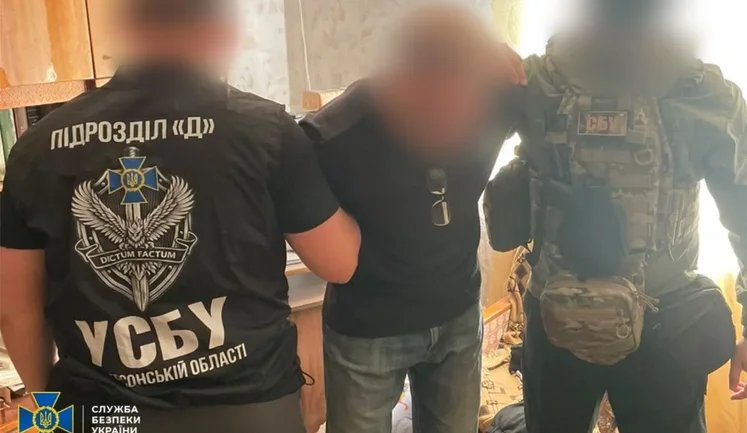
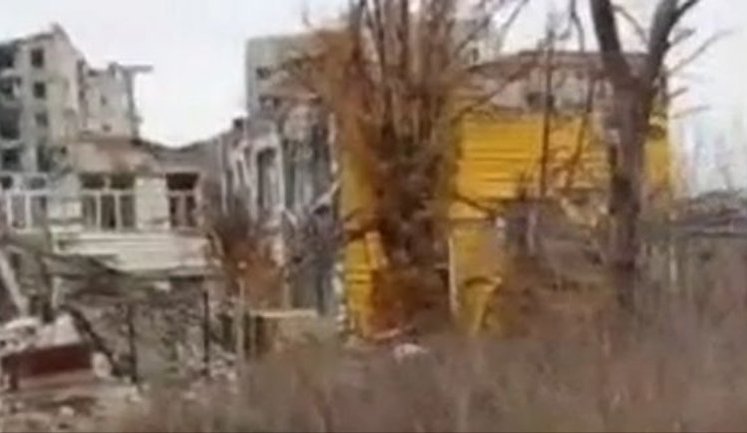
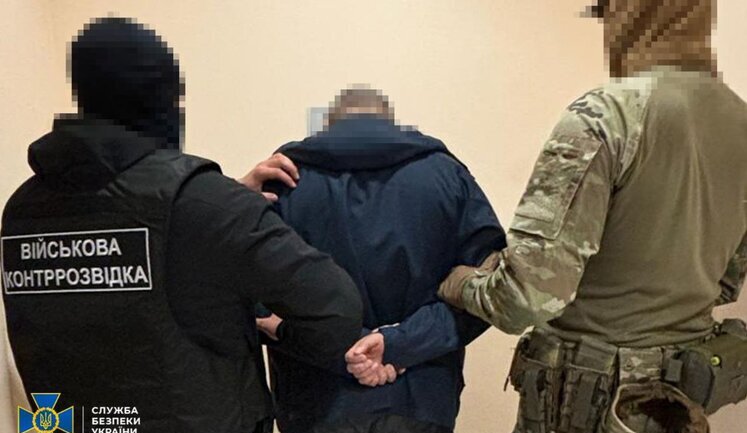
In 2026, collaboration in occupied Ukraine remains a pressing issue. Authorities have detained numerous individuals aiding Russian forces, exemplified by the arrest of a Donbasgaz executive and a former Kherson occupation head receiving life imprisonment. The National Security and Defense Council sanctioned eight collaborators in Crimea aiding Russian military actions. High-profile cases include FSB agents directing shellings and individuals implementing Russian standards in schools. The Security Service of Ukraine (SSU) actively searches for such collaborators, ensuring justice. Key figures in occupied territories face arrests, seeking refuge or even joining Ukrainian forces to hide past affiliations.
What actions has the SSU taken against collaborators in Ukraine?
The Security Service of Ukraine (SSU) continues to actively pursue and detain collaborators assisting Russian forces in occupied regions. This includes detaining individuals implicated in aiding enemy operations, directing hostile activities, and those involved in administration under occupation. They also work in collaboration with local and national law enforcement to ensure such individuals are brought to justice.
How are collaborators in Crimea affecting Russian occupation efforts?
Collaborators in Crimea have been supporting Russian occupation by engaging in administrative roles, participating in logistics and resource management, and even aligning with military operations. These individuals aid in reinforcing the presence and influence of occupying forces, undermining Ukrainian sovereignty. Sanctions and legal actions are being taken to counteract these efforts.
What is the impact of collaboration charges on individuals in occupied Ukraine?
Charges of collaboration have serious consequences, ranging from lengthy prison sentences to life imprisonment, as seen in the case of high-profile collaborators. These charges serve as a deterrent and highlight the legal ramifications of aiding occupying forces. Collaboration trials emphasize the commitment to lawful repercussions and justice for such acts against national security.
How does collaboration affect civilian life in occupied areas?
In occupied areas, collaboration can destabilize civilian life by fostering environments that support hostile actions against Ukraine. Collaborative actions contribute to the enforcement of foreign authority structures, manipulating local governance, and potentially exploiting resources. These dynamics can disrupt community cohesion and lead to economic and social strain, along with human rights violations.
What role do sanctions play in addressing collaboration in Ukraine?
Sanctions serve as a critical tool in responding to collaboration, imposing economic and legal pressure on individuals and entities found supporting Russian occupation efforts. They act to financially isolate and restrict movement of collaborators, aiming to weaken the occupational network, discourage future alliances, and signal international and domestic denunciation of such actions.
How widespread are collaboration efforts in areas like Kherson and Crimea?
Collaboration is a significant issue in areas like Kherson and Crimea, with documented cases involving several individuals in administrative roles and civilian sectors. These efforts aim at strengthening Russian occupational influence but face challenges from local resistance, law enforcement vigilance, and ongoing government-led punitive measures against involved persons.