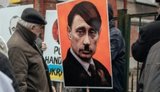
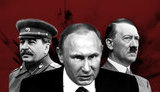
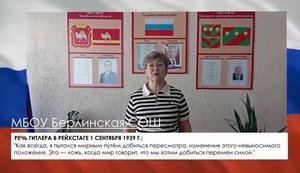
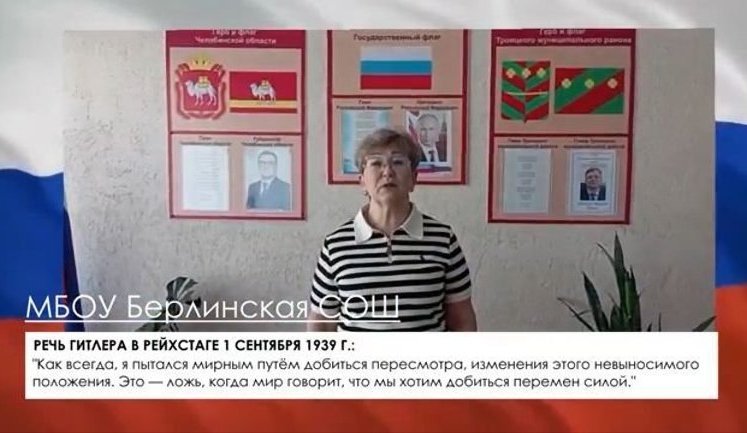
The specter of Adolf Hitler emerges repeatedly in global discourse, often referenced in comparisons of contemporary leaders to historical dictators. Recent events highlight such analogies, including statements by Polish Foreign Minister Radosław Sikorski and US General Hodges comparing Putin’s strategies to Hitler's wartime maneuvers. These parallels underscore geopolitical tensions, driven by actions deemed analogous to the Third Reich. This narrative is further explored through Belarusian propaganda tactics and Russian political maneuvers, drawing on rhetoric resonant of fascist orders. Such dialogue not only reflects historical memory but also shapes present-day international relations and policy debates.
Why are Putin and Hitler often compared in political discourse?
Political figures like Putin and Hitler are often compared due to perceived parallels in their authoritarian governance styles, aggressive territorial expansion policies, and propagandistic rhetoric. These comparisons serve to highlight concerns about current geopolitical tensions and potential threats to global stability similar to those posed by Nazi Germany in the past.
What historical events are referenced in comparisons between Putin and Hitler?
Comparisons between Putin and Hitler frequently reference Hitler's aggressive expansionism during World War II and his establishment of the Volkssturm. For example, Putin’s mobilization strategies and invasion of Ukrainian territories are likened to Hitler's last-ditch efforts in the war and his expansionist policies, echoing themes of miscalculation and overreach.
How do Belarusian propaganda tactics relate to past fascist regimes?
Belarusian propaganda tactics draw on historical fascist techniques by promoting narratives that vilify opponents and justify territorial claims. Such tactics often involve misinformation and psychological manipulation, mirroring the propaganda used by Nazi Germany to sway public opinion and legitimize their actions during World War II.
What role does historical memory play in modern political analysis?
Historical memory plays a crucial role in modern political analysis by providing context and cautionary tales that inform contemporary foreign policy and international relations. Recognizing patterns from past regimes helps analysts predict possible outcomes of current events, offering critical insights into the motivations of political leaders and potential ramifications of their actions on the global stage.
Why are comparisons to Nazi Germany significant in current geopolitical discussions?
Comparisons to Nazi Germany are significant in current geopolitical discussions because they evoke memories of one of history's most stark examples of totalitarian aggression and genocide. By invoking such comparisons, contemporary analysts and diplomats emphasize the serious implications of unchecked authoritarianism and the necessity of strategic responses to prevent similar global tragedies.