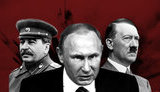
Adolf Hitler remains a potent figure in contemporary discussions, often used as a benchmark for aggression and authoritarianism. This week, a Belarusian TV broadcast discussed libraries in Zaporizhzhia villages allegedly housing works by figures like Hitler, with accusations that these collections lack Russian literary giants. Meanwhile, Russian Foreign Minister Lavrov provocatively compared Western actions to Hitler's policies, triggering international responses. EU Commission Vice-President Timmermans likened Putin's setbacks to Hitler's failures in 1943, reflecting on wartime parallels. Oleksii Danilov and US General Hodges provided similar critiques, describing Putin's strategies as reminiscent of Hitler's desperation. Polish President Duda questioned diplomatic engagements with authoritarian leaders by referencing WWII attitudes. These narratives highlight the enduring influence of Hitler’s historical archetype in shaping current political dialogues and ideological comparisons.
Why is Adolf Hitler often referenced in modern political discourse?
Adolf Hitler is frequently referenced in modern political discourse due to his association with extreme authoritarianism, aggressive warfare, and historical consequences of his policies. By comparing current leaders or situations to Hitler, commentators emphasize perceived threats of repeating destructive historical events or attitudes. This framing serves to evoke strong moral and political reactions that underline the gravity of the issues being discussed.
What are the implications of comparing modern leaders to Hitler?
Comparing modern leaders to Hitler often serves to draw attention to perceived authoritarian tendencies or military aggression. Such comparisons can heighten political tensions, create public outcry, and influence international relations. However, they can also lead to oversimplified analyses of complex situations and potentially diminish the unique severity of Hitler’s historical actions.
How do historical figures like Hitler impact cultural narratives today?
Historical figures like Adolf Hitler impact cultural narratives by serving as cautionary tales of dictatorship, intolerance, and war. Their lives inform education on governance and human rights, shaping governmental policies and global discussions on preventing atrocities. Thus, referencing these figures keeps the historical lessons alive, reminding societies of past mistakes and encouraging vigilance against similar ideologies.
What role does media play in shaping perspectives on historical events?
Media plays a critical role in shaping perspectives on historical events by curating stories, framing narratives, and influencing public opinion. Through documentaries, articles, and news coverage, media can highlight certain aspects of history while omitting others, thus steering public understanding and often inspiring public debate on historical interpretations and their relevance to present-day issues.
Why does Belarusian media focus on Adolf Hitler's literature in Ukraine?
The Belarusian media’s focus on Adolf Hitler’s literature in Ukraine may be an attempt to construct particular narratives about ideological influences within the region. By highlighting the presence of such works, they may aim to question cultural or political alignments, potentially amplifying propaganda to shape perception towards Ukrainian society's ties with historical figures linked to extremism or nationalism.
Can the historical parallels with Hitler alter current international policies?
Historical parallels with Adolf Hitler can influence current international policies by motivating stricter diplomatic stances or prompting preventive measures in global governance. When a leader or nation is compared to Hitler, it often leads to heightened scrutiny and strategic planning to avoid repetition of catastrophic mistakes, reinforcing international alliances and security strategies to deter authoritarian tendencies.
How does referencing Hitler affect public perception of current conflicts?
Referencing Hitler in the context of current conflicts can heighten emotional responses, equating present threats with historical atrocities. This can rally public support against perceived aggressors, justify foreign intervention, or call for stronger preventive actions. However, it may also polarize opinions and lead to divisive interpretations about the nature and urgency of the conflicts.