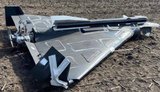
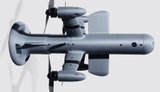
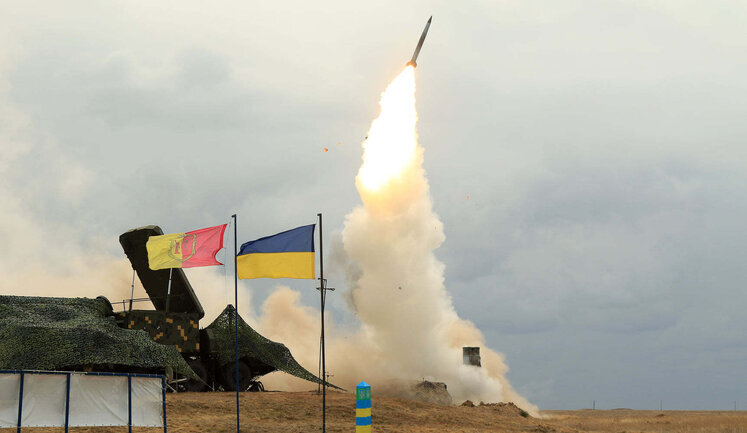
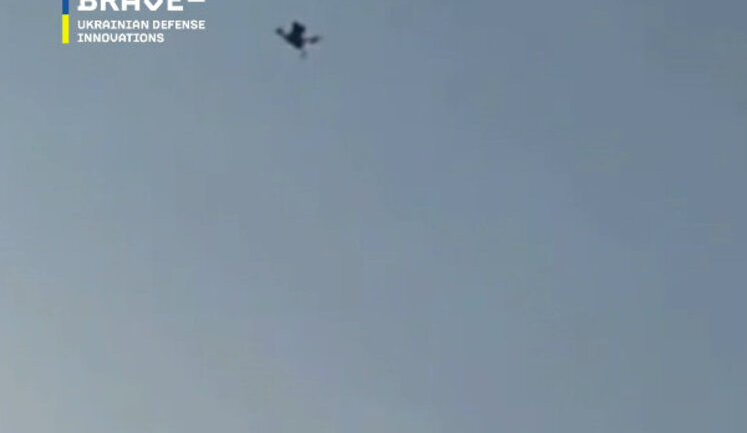
In 2026, artificial intelligence continues to reshape global landscapes, particularly in military and defense sectors. Ukraine has emerged as a significant player, integrating AI into various defense mechanisms, from intercepting drones to enhancing armoured vehicles like the UAT.GYURZA-02. China's emphasis under Xi Jinping on increasing AI and drone deployment highlights the strategic value nations place on technology. Notably, Ukrainian President Zelenskyy advocates for a powerful AI alliance with the U.S. to bolster technological prowess. These developments underscore AI's dual-edged nature, potentially offering both defensive capabilities and escalating warfare dynamics, such as those noted by the CIA in the Ukraine-Russia conflict.
What role does AI play in modern military strategies?
Artificial intelligence is pivotal in contemporary military strategies, offering enhanced capabilities such as autonomous drones, AI-powered armoured vehicles, and complex data analysis. Countries like Ukraine utilize AI to bolster their defense, providing rapid identification and neutralization of threats. AI's ability to process vast data in real-time enhances decision-making, making military operations more efficient and precise.
How is Ukraine leveraging AI in its defense mechanisms?
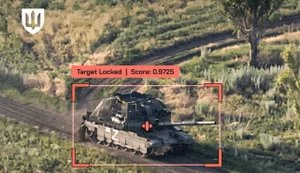
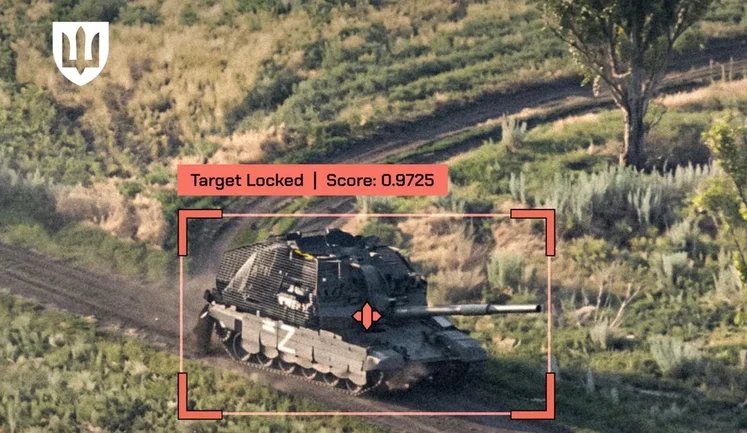
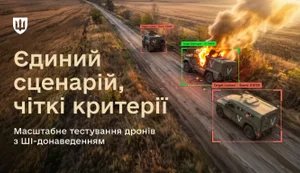
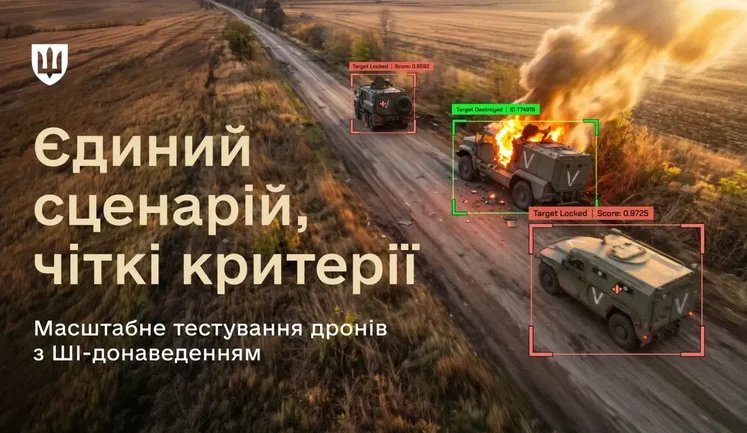
Ukraine utilizes artificial intelligence to significantly enhance its defense capabilities. This includes the development of AI-driven drones and vehicles capable of executing advanced surveillance and strike missions. AI systems like the Avengers platform allow for real-time detection of enemy equipment, improving operational efficiency. Partnerships with companies like Palantir further reinforce Ukraine's standing in AI innovations for military use.
Are there any international collaborations involving AI technology?
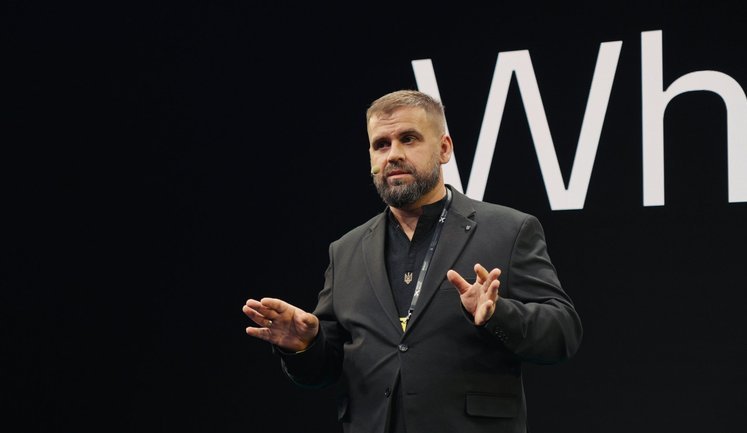
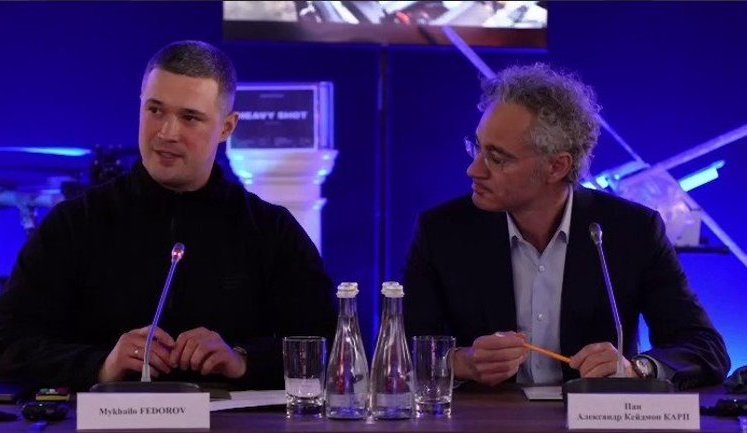
International collaborations in AI technology are increasingly common. Notably, Ukraine and the United States are exploring a potential alliance focused on advancing drone and AI technologies. Such partnerships aim to leverage shared resources and expertise to develop cutting-edge solutions for defense applications. Collaborative efforts are crucial for setting global standards and fostering technological advancements in AI.
What advancements has China made in AI military applications?
China has prioritized advancements in artificial intelligence for military applications, as directed by Xi Jinping. The goal is to integrate AI into unmanned systems, enhancing operational capabilities of their armed forces. This involves developing sophisticated algorithms and autonomous technologies to improve efficiency and efficacy on the battlefield. Such efforts signify China's commitment to staying at the forefront of military technological innovations.
How does AI affect the dynamics of the Ukraine-Russia conflict?
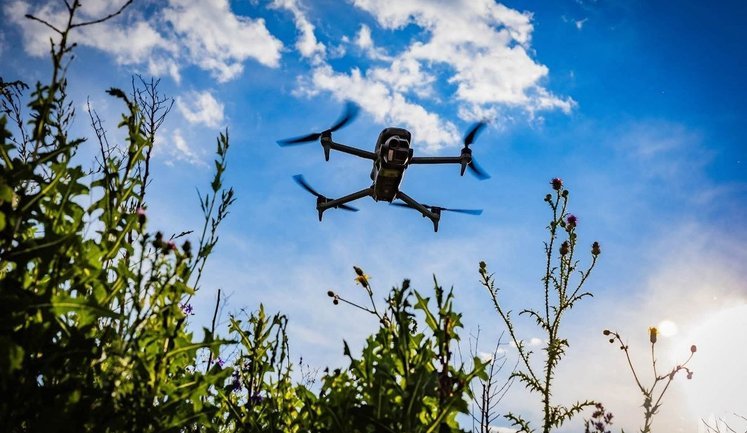
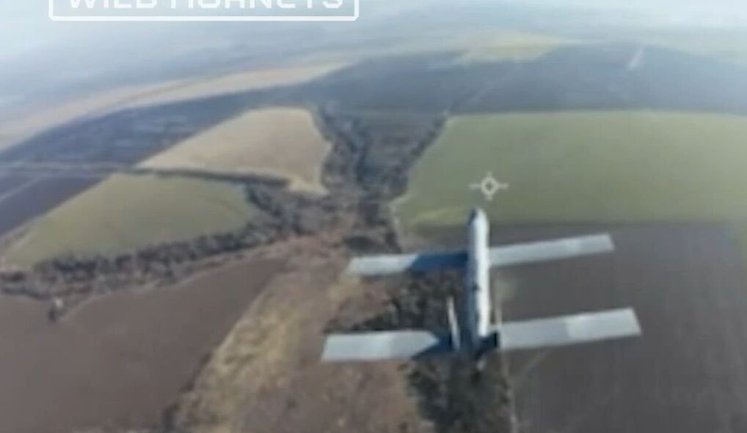
AI impacts the Ukraine-Russia conflict by altering combat dynamics and strategies. Ukrainian forces use AI-driven technologies to gain an edge, employing drones for surveillance and targeted strikes against Russian positions. Such capabilities significantly shorten reaction times and increase precision, demonstrating how AI can transform traditional warfare and offer strategic advantage in contested environments.
What are the implications of AI in global military strategies?
The incorporation of artificial intelligence in global military strategies presents significant implications. It introduces new efficiencies in threat detection and response, revolutionizes surveillance, and increases precision in targeting. However, it also raises ethical and regulatory concerns about autonomous weapon systems and their deployment. Balancing these advancements with international regulations remains crucial to maintaining global stability.