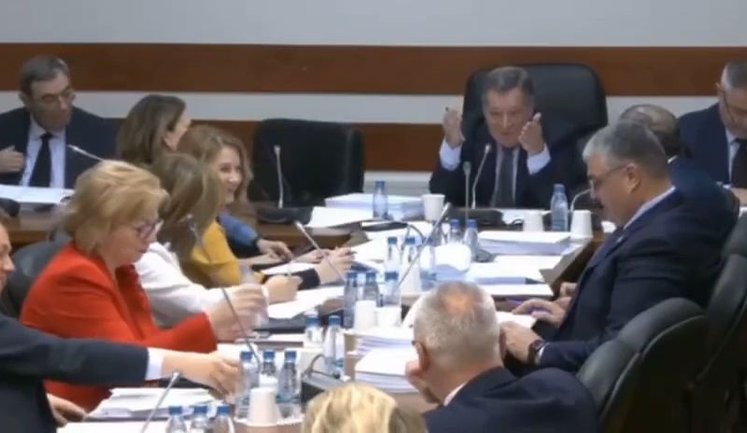
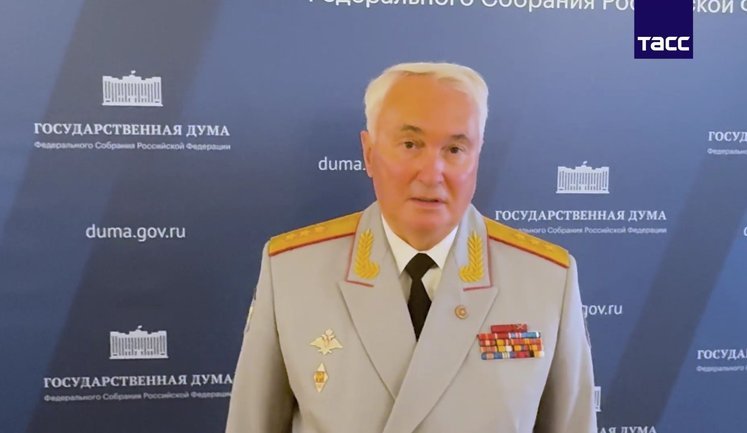
The Russian State Duma has been making headlines with its recent activities, ranging from cultural assessments to significant geopolitical strategies. In a curious turn, the Duma's Budget and Tax Committee analyzed and declared the iconic Soviet cartoon character Cheburashka as having a Jewish ethnic background. This cultural exploration video gained swift attention and sparked discussions on identity politics in Russia. Meanwhile, critical geopolitical strategies continue to unfold, as demonstrated by the State Duma's ratification of a strategic partnership with Iran and its unequivocal stance against ceasefire agreements in the Ukraine conflict. Strategic military decisions such as integrating new citizens into military service and potential nuclear policies reflect a broader agenda for regional dominance and control by the Russian Federation.
What is the significance of the State Duma's declaration on Cheburashka's ethnicity?
The declaration regarding Cheburashka's ethnic origin by the State Duma's Budget and Tax Committee can be seen as a reflection of how cultural and identity politics play a role in Russian society. It highlights how even the history and character design from Soviet-era cartoons are subject to current ethnopolitical discourses and can fuel larger debates on cultural identities within Russia.
What does the partnership agreement with Iran entail?
The Russian State Duma ratified a Comprehensive Strategic Partnership with Iran, aimed at strengthening political, economic, and military ties between the two nations. This agreement signifies a mutual interest in counterbalancing Western influences and increasing cooperation in areas like energy, trade, and defense technology, helping both countries enhance their geopolitical clout in the region.
Why did the State Duma reject the 30-day ceasefire proposal?
The State Duma deputy Viktor Sobolev rejected the 30-day ceasefire proposal, arguing that it would allow Ukraine to reorganize and prepare for new offensives, thus posing a strategic disadvantage for Russia. This decision underscores Russia's intent to maintain its military pressure and control in Ukraine, highlighting its broader goals in the conflict.
What are the implications of registering new citizens for military service?
The law passed by the Russian State Duma that requires new citizens to be registered for military service concurrent with acquiring citizenship reflects an aggressive approach to bolstering military ranks. This move ensures Russia can quickly and efficiently integrate new citizens into its military forces, thereby sustaining its military capabilities amid ongoing regional conflicts.
How does the State Duma's strategy align with Russia's vision for Ukraine?
The State Duma appears to support the idea of a "union state" comprising Russia, Ukraine, and Belarus as the ultimate goal of its actions in Ukraine. This vision is driven by a desire to expand Russia’s territorial sphere of influence and ensure strategic depth through closer integration with its neighboring countries. It reflects a long-standing strategic ambition of Russia to restore its control over the post-Soviet space.
What measures has the State Duma taken regarding nuclear testing?
The State Duma has revoked its previous ban on nuclear tests, reflecting a strategic shift toward reinforcing Russia's nuclear posture. This decision positions Russia to potentially reinstate and enhance its nuclear testing activities, which could have significant implications for international arms control agreements and global geopolitics, signaling a readiness to leverage its nuclear capabilities in comprehensive strategic equations.