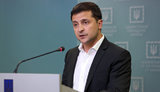
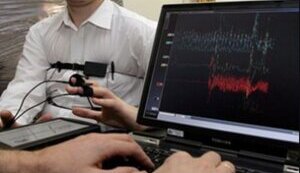
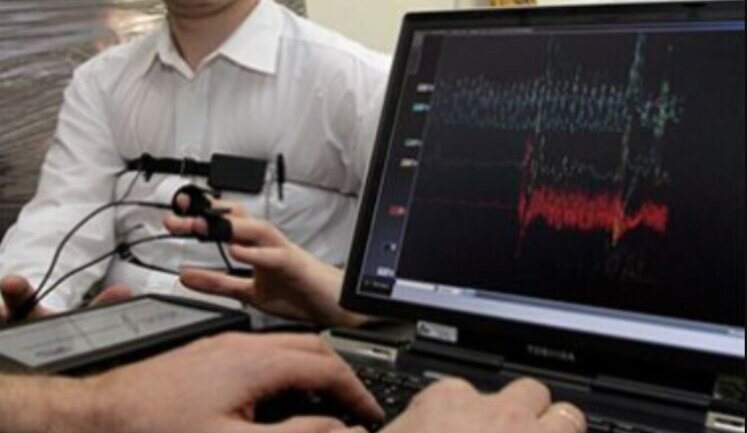
In Ukraine, the adoption of lie detector tests for government officials marks a significant step towards enhancing transparency and integrity in state functions. The National Anti-Corruption Bureau of Ukraine (NABU) is set to oversee these polygraph tests, ensuring unbiased results. President Zelenskyy's recent draft law stresses the importance of this measure as part of comprehensive governmental reforms. With an emphasis on polygraph examinations for detectives and foreign military personnel, there is a clear national drive to combat corruption and protect sensitive information. The implementation of these tests follows scandals and controversies, emphasizing the need for truth verification to prevent internal espionage and secure national interests. As Ukraine moves forward, lie detector tests serve as a tool for accountability and public confidence in the administration.
Why is Ukraine implementing lie detector tests for government officials?
Ukraine aims to enhance transparency and combat corruption by implementing lie detector tests for officials. This measure, overseen by the National Anti-Corruption Bureau, seeks to improve trust in governmental processes and safeguard sensitive information from leaks or internal threats. By verifying the integrity of state employees, the government hopes to address corruption and malpractice, thus fostering a more accountable and transparent administrative environment.
Who will conduct lie detector tests for Ukrainian officials?
The National Anti-Corruption Bureau of Ukraine (NABU) will conduct lie detector tests for officials, as part of President Zelenskyy's draft law. NABU's Internal Control Department is responsible for ensuring unbiased and accurate testing, moving away from the previous involvement of the Security Service of Ukraine. This change aims to further enhance the credibility and transparency of the polygraph testing process in governmental and military sectors.
What role do lie detector tests play in Ukraine's defense sector?
In Ukraine's defense sector, lie detector tests serve as a critical tool for maintaining security and trust. Foreign military personnel and recruits wishing to serve must undergo polygraph examinations to ensure they pose no threat to national security and adhere to stringent ethical standards. This psychophysiological testing mitigates risks related to espionage and loyalty, thereby safeguarding Ukraine's sensitive operations and collaborations with international military allies.
How does the use of lie detectors relate to recent political scandals in Ukraine?
The introduction of lie detectors correlates with Ukraine's recent political scandals, where leaks and corruption allegations highlighted the need for enhanced truth verification methods. Polygraph tests have been employed in high-profile cases to ascertain the authenticity of testimonies and quickly unveil misconduct or traitorous actions, which helps in maintaining integrity and accountability within governmental ranks.
What is the expected impact of mandatory polygraph tests on Ukraine's global image?
By mandating polygraph tests for government officials, Ukraine hopes to improve its global image as a country committed to transparency and integrity. This move signals a proactive approach to combating corruption and aligning with international standards of accountability. As Ukraine addresses its internal challenges openly, positive perceptions and trust from international partners and investors are expected to increase, boosting both political and economic prospects.