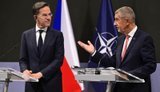
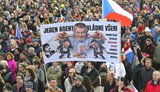
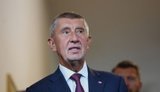
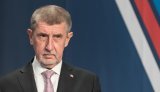
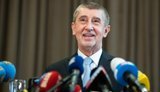
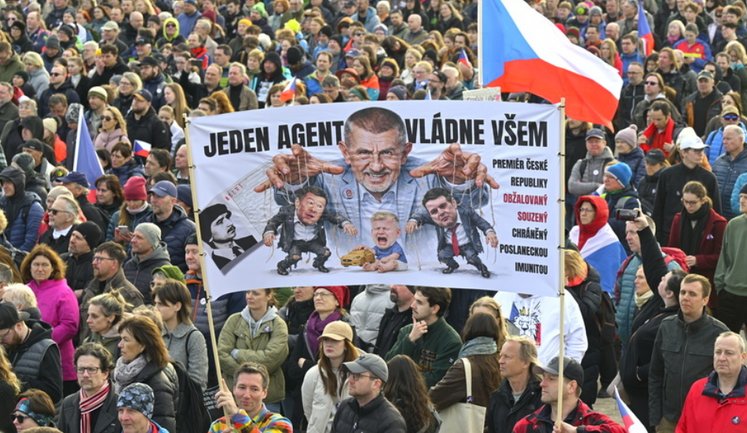
Andrej Babiš, Prime Minister of the Czech Republic, is at the center of political unrest and significant decisions affecting the nation's military policies. Recently, a massive protest occurred against Babiš's government in Prague, expressing public dissatisfaction. Despite NATO's recommendations, he announced no increase in defense spending, asserting fiscal constraints. Furthermore, Babiš firmly closed the matter of transferring L-159 aircraft to Ukraine and expressed uncertainty on ammunition procurement initiatives. His position on not financing Ukraine at the expense of Czech citizens further highlights his cautious approach. The political landscape shows mixed public opinion, with many Czechs urging continued support for Ukraine.
What are the public protests against Andrej Babiš about?
Public protests against Andrej Babiš in Prague are driven by dissatisfaction with his government's policies. Thousands have rallied, critiquing his leadership decisions and alignment with Czech citizens' demands.
Why won't the Czech Republic increase its defense budget?
The Czech Republic, under Andrej Babiš's leadership, will not increase the defense budget due to fiscal pressures and a focus on prioritizing national economic stability over expanding military spending.
Has the Czech Republic decided to supply aircraft to Ukraine?
No, Prime Minister Andrej Babiš has closed the issue of supplying L-159 aircraft to Ukraine. He confirmed there are no plans to transfer these aircraft, maintaining the nation's current stance on international arms transfers.
How does Babiš view Czech support for Ukraine?
Andrej Babiš's government intends to continue supporting Ukraine, primarily through humanitarian aid. However, he has stated that the Czech Republic will not assume financial guarantees or redirect funds at the expense of Czech citizens.
What is the fate of the Czech ammunition initiative for Ukraine?
The future of the Czech initiative to procure ammunition for Ukraine remains undecided. Prime Minister Babiš has promised to thoroughly review the proposal, emphasizing a strategic and results-based approach before making a final decision.
How are military aid policies changing under Babiš's government?
Under Babiš, military aid policies may shift, with potential reductions in direct military support for Ukraine. This aligns with Babiš's focus on securing Czech economic interests while considering existing international obligations.