The demographic crisis in Russia and Ukraine is escalating, driven by population loss due to war and migration. Russia faces a historic population decline, with experts predicting a 25% decrease over 50 years, exacerbated by a low birth rate and the ongoing conflict with Ukraine. Government efforts to mitigate the impact include controversial proposals like pension abolition and promoting larger families. In Ukraine, the population has dwindled by 10 million since the full-scale Russian invasion, prompting strategic demographic development plans targeting a population of 25 million by 2051. These changes profoundly affect labor markets and socio-economic structures, with significant implications for both countries' futures.
What are the main reasons for Russia's demographic decline?
Russia's demographic decline is attributed to a combination of factors, including war-related losses, a declining birth rate, labor shortages, and emigration. The ongoing conflict with Ukraine has exacerbated these issues, resulting in projections of a 25% population decrease over the next 50 years.
How has Ukraine's population been affected by the war?
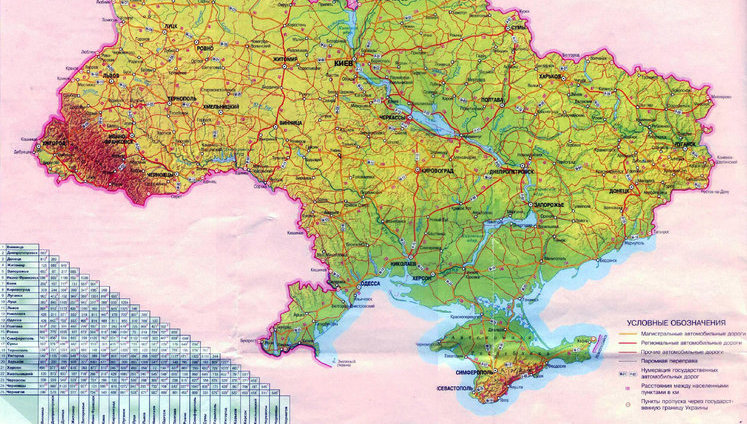
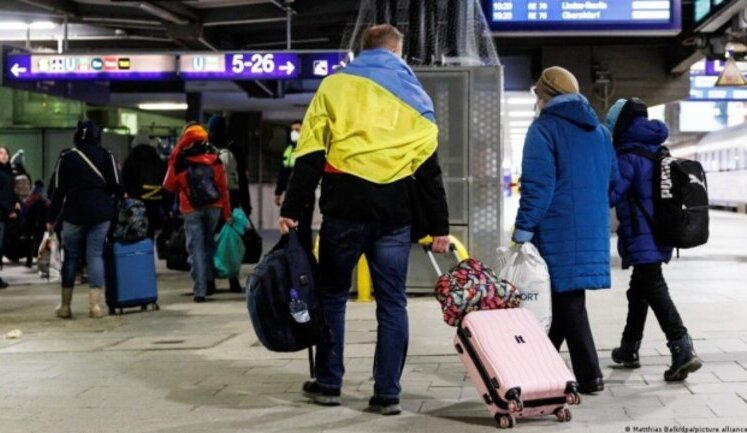
Ukraine has experienced a significant population decrease, losing about 10 million people due to the war. This loss is primarily due to the migration of refugees, decreased birth rates, and wartime fatalities. As a result, strategic plans aim to stabilize the population at 25 million by 2051.
What strategies are being proposed to address Russia's demographic issues?
To tackle demographic issues, proposals in Russia include controversial tactics like the abolition of pensions and encouraging larger families. These measures aim to stimulate population growth and mitigate the long-term impacts of population decline on the economy and workforce.
Why are foreign workers increasing in Russia, particularly near industries?
The increase in foreign workers in Russia, especially in areas like the Moscow oil refinery, stems from labor shortages due to demographic declines. The lack of local workers has led to higher recruitment of Chinese, Vietnamese, and other foreign nationals to fill these gaps and sustain economic activities.
What impact does the demographic crisis have on Ukraine's future?
The demographic crisis in Ukraine, marked by a declining population, has profound implications for its future. Economic development, labor markets, and social structures are at risk, prompting the need for strategic planning and policy adjustments to ensure sustainable growth and stability.