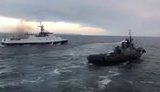
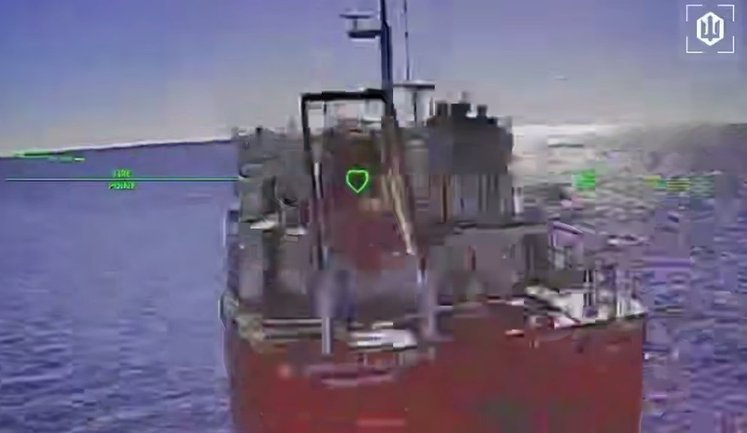
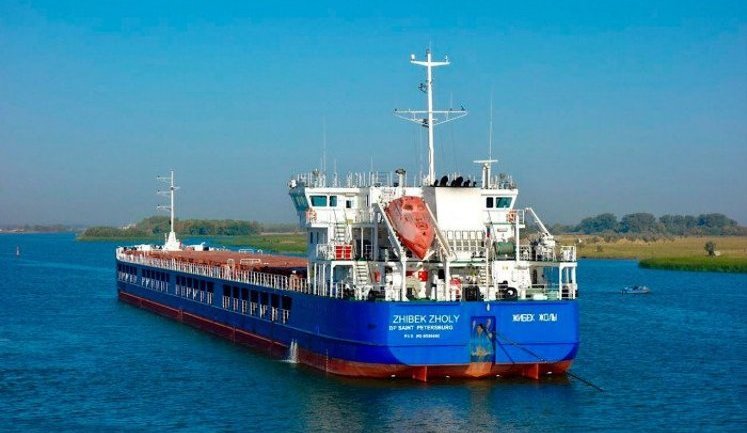
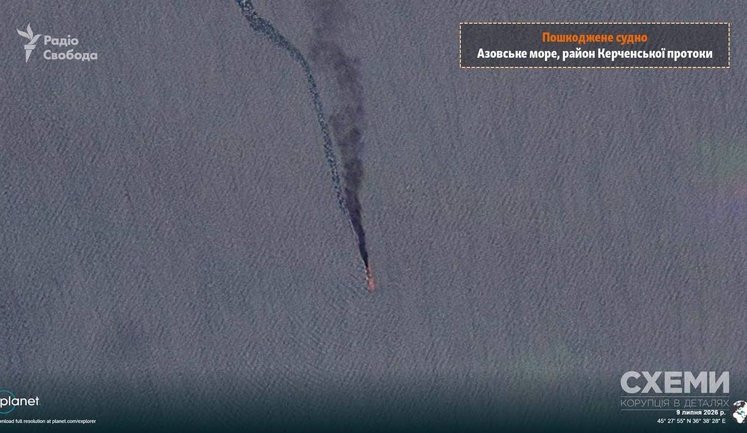
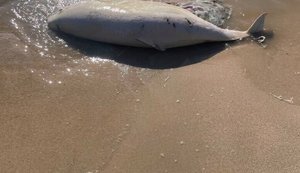
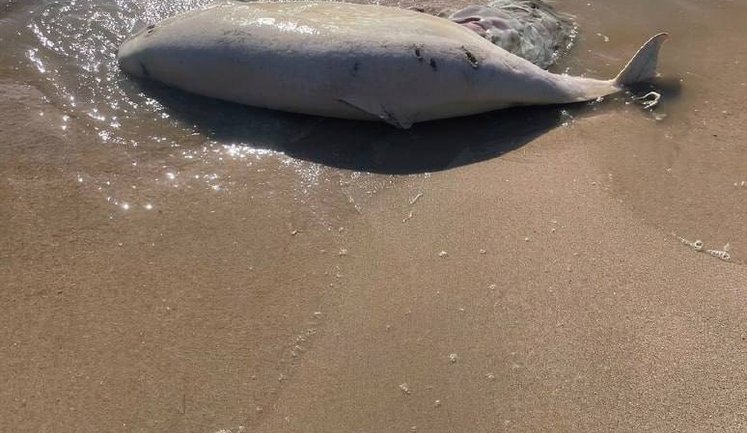
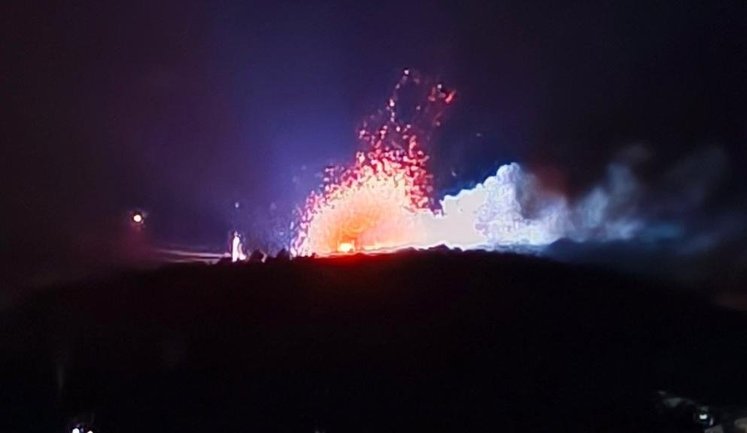
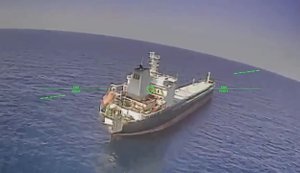
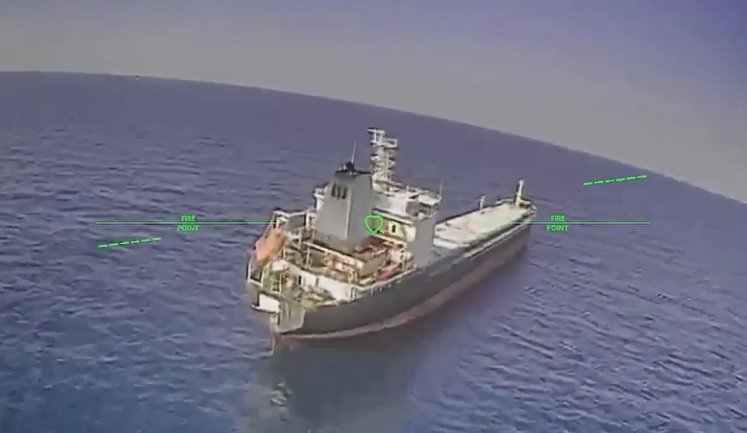
The Sea of Azov has become a hotspot in current geopolitical tensions, witnessing a series of escalations. Recently, Madiar reported that Ukrainian drones have struck 285 vessels of Russia's "shadow fleet" in both the Sea of Azov and the Black Sea. Operation 'MoLoChKa', conducted by the Unmanned Systems Forces, aims to weaken Russia's naval capabilities. Russia's plan to arm civilian grain trucks showcases the severe military response stemming from these persistent Ukrainian drone assaults. Beyond military activities, the region faces environmental challenges, notably a large-scale oil spill near the Akhtarsk Estuaries, further complicating the scenario. Satellite images have confirmed the presence of extensive oil slicks in key anchorage zones.
Why is the Sea of Azov strategically important?
The Sea of Azov is a crucial waterway because it connects Russia and Ukraine, offering a maritime route for economic and military operations. Control over this sea influences regional stability and trade routes significantly, making it a pivotal point in the ongoing conflict between Russia and Ukraine.
What is the "shadow fleet" in the Sea of Azov?
The "shadow fleet" refers to Russian vessels that operate in a covert manner to avoid detection and identification, especially in conflict zones like the Sea of Azov. This fleet is used for military and logistical operations, posing significant threats to regional security, as seen by recent Ukrainian drone strikes targeting these vessels.
How has Ukraine used drones in the Sea of Azov conflict?
Ukraine has extensively used unmanned aerial vehicles (UAVs), commonly known as drones, to strike Russian maritime assets. This strategic use of drones has resulted in significant damage to Russia's "shadow fleet," showcasing a shift towards modern warfare tactics that employ technology for remote strikes.
What environmental consequences are occurring in the Sea of Azov?
Recent military activities in the Sea of Azov have led to severe environmental issues, such as large-scale oil spills affecting marine life and ecosystems. The discovery of oil slicks near key maritime zones exacerbates the ecological damage, making it a dual battlefront involving both military and environmental challenges.
What are Russia's defensive measures in the Sea of Azov?
In response to Ukrainian drone strikes, Russia is reportedly considering equipping grain vessels with machine guns and missile launchers. This move underlines the escalating militarization of civilian fleets in an effort to protect crucial maritime routes from UAV attacks, highlighting the tense security environment in the region.
What role do unmanned systems play in the Sea of Azov issue?
Unmanned systems, like drones, play a vital role by offering a cost-effective and strategic advantage in reconnaissance and strike operations. In the Sea of Azov, Ukraine's use of drones has been pivotal in disrupting Russian logistics and military operations, altering traditional military dynamics through advanced technology.