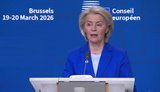
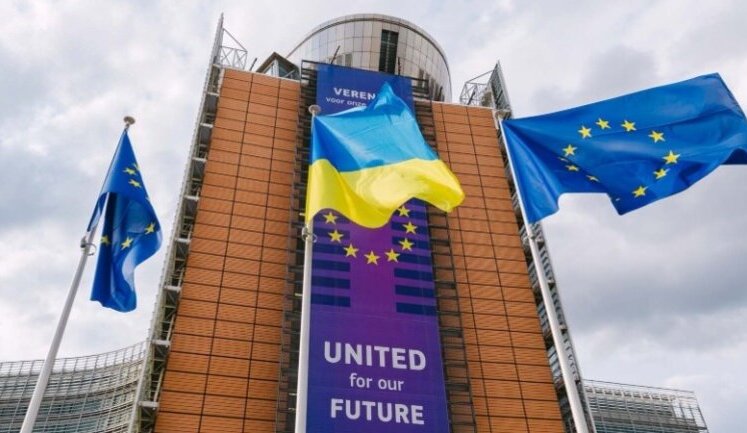
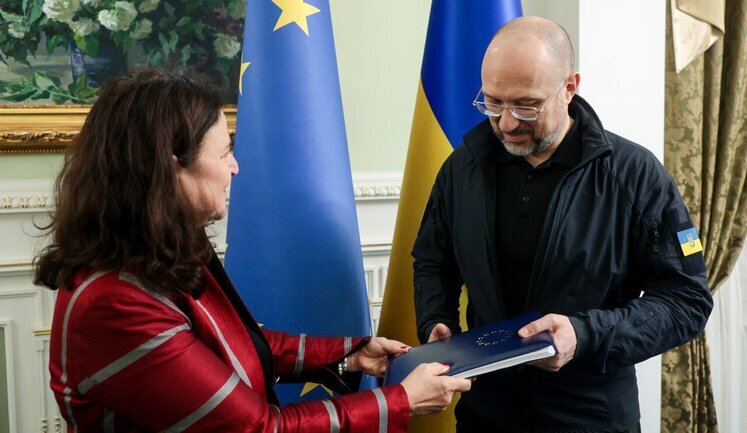
The European Commission (EC) is pivotal in Europe's interaction with Ukraine, emphasizing that implementing key reforms is essential for securing EU financial assistance. Ukraine's ability to access the €90 billion loan fund hinges on timely contract submissions and legal reforms. The EC has recently approved €6.1 billion for Ukraine's defense purchases, underscoring financial support's dependency on meeting reform agendas. On the sanctions front, the Commission insists Europe must overcome "sanctions fatigue" and maintain pressure on Russia. Meanwhile, the EC enforces rigorous anti-corruption measures in Ukraine, highlighting zero tolerance for corruption as part of Ukraine's EU accession pathway. The Commission's comprehensive approach, balancing financial aid with reform expectations, signifies its strategic role in Ukraine's European integration.
What reforms in Ukraine are mandated by the European Commission?
Ukraine is required to implement specific reforms focusing on anti-corruption measures, legal structure improvements, and economic policy changes to qualify for additional EU financial assistance. The European Commission closely monitors these initiatives to ensure compliance with EU standards as part of their macro-financial support programs.
How does the European Commission support Ukraine's military needs?
The European Commission supports Ukraine's military needs by approving funds from the EU’s €90 billion loan for purchasing defense equipment, including drones and Patriot missile systems. This financial aid is subject to Ukraine's adherence to the EU’s reform conditions and contractual agreements with arms suppliers.
What is the European Commission's stance on sanctions against Russia?
The European Commission is committed to maintaining economic pressure on Russia by enforcing sanctions. Despite experiencing "sanctions fatigue" within the EU, the Commission advocates for continuing these measures as a crucial response to Russia's actions against Ukraine and to uphold European security.
Does the European Commission involve itself in Ukraine’s anti-corruption efforts?
Yes, the European Commission plays a significant role in supporting Ukraine's anti-corruption efforts. It emphasizes the importance of independent anti-corruption agencies, critical to Ukraine’s EU accession ambitions, and regularly assesses Ukraine's progress in implementing transparency and anti-corruption initiatives.
What has the European Commission done about temporary protection for Ukrainians?
The European Commission has proposed extending temporary protection for Ukrainians until March 2028. This policy applies equally to men and women, ensuring that all Ukrainian citizens eligible for protection under EU rules are supported during their displacement caused by ongoing conflicts.
How is the European Commission managing Ukraine's EU accession process?
The European Commission is actively managing Ukraine's EU accession process by opening negotiation clusters and assessing the fulfillment of EU membership criteria. While progress is acknowledged, full accession by 2027 is considered unlikely due to the complex nature of EU integration requirements and necessary reform implementations.