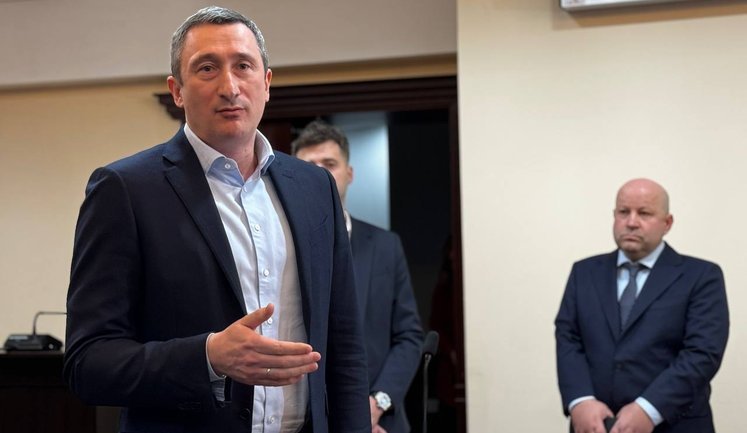
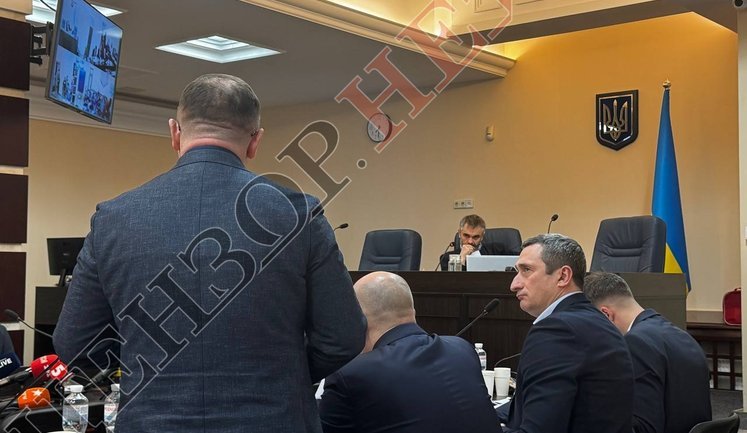
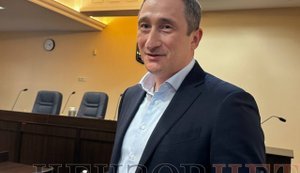
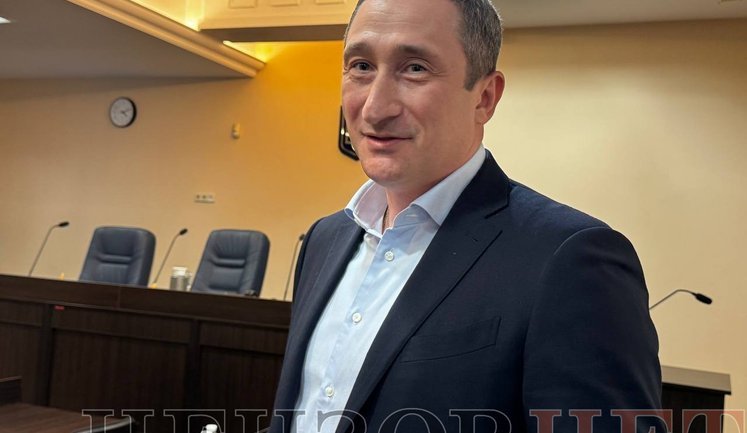
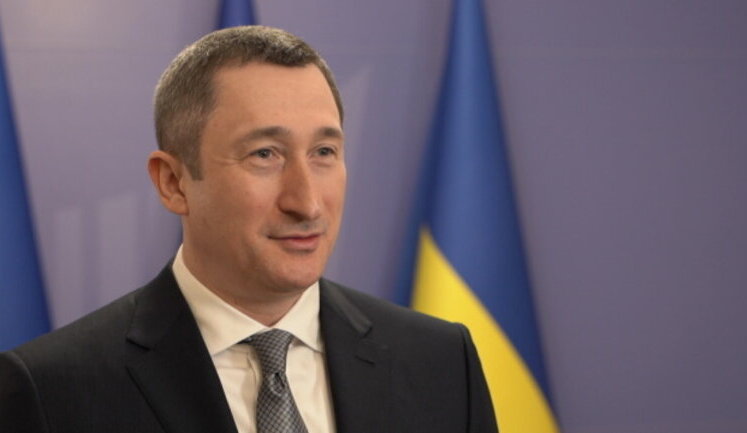
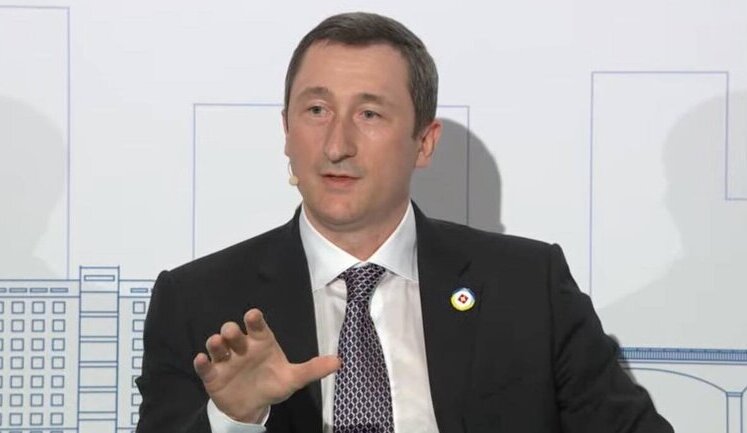
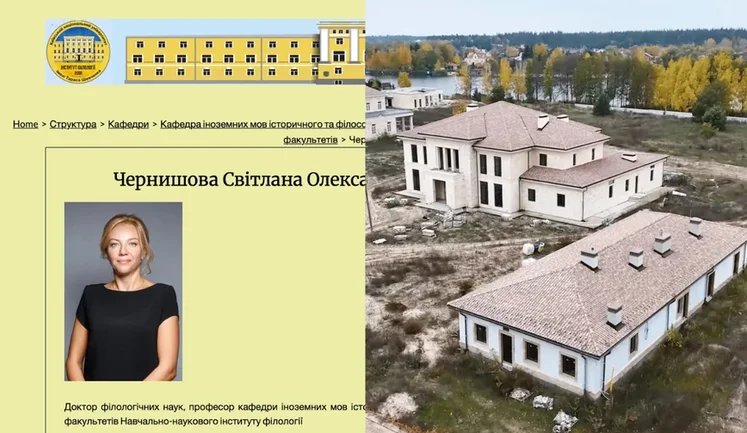
Oleksii Chernyshov, the former Deputy Prime Minister, faces intense scrutiny over corruption allegations. Accused of illegal enrichment and abuse of office, his saga involves complex courtroom battles. Key developments include the payment of high bail and ongoing trials, as emphasized by frequent updates from NABU and SAPO. Chernyshov is accused of receiving unlawful benefits, which he denies, maintaining his innocence despite the serious charges. The unfolding narrative continues to attract media attention, highlighting Chernyshov's connections and the broader implications for Ukrainian politics, as Western media and national authorities closely monitor the case's outcome.
What are the main charges against Oleksii Chernyshov?
Oleksii Chernyshov is charged with illegal enrichment and abuse of office. The National Anti-Corruption Bureau of Ukraine and the Specialized Anti-Corruption Prosecutor’s Office accuse him of receiving undue benefits, with substantial bail amounts imposed as a legal precaution. He denies all charges, asserting there are no objective grounds for the accusations.
Why is Oleksii Chernyshov's case significant?
The case against Chernyshov is significant because it illustrates the challenges Ukraine faces in tackling high-level corruption. It involves hefty bail, alleged misuse of office, and connections to influential figures in Ukrainian politics, drawing international and domestic media focus, impacting Ukraine's political landscape.
How has Oleksii Chernyshov responded to the allegations?
Oleksii Chernyshov has denied the allegations, claiming there are no objective reasons for the charges. He emphasizes his innocence and attempts to highlight procedural issues within the investigative process. Despite the charges, he maintains his integrity and disputes the corruption claims.
Who is involved in the case aside from Chernyshov?
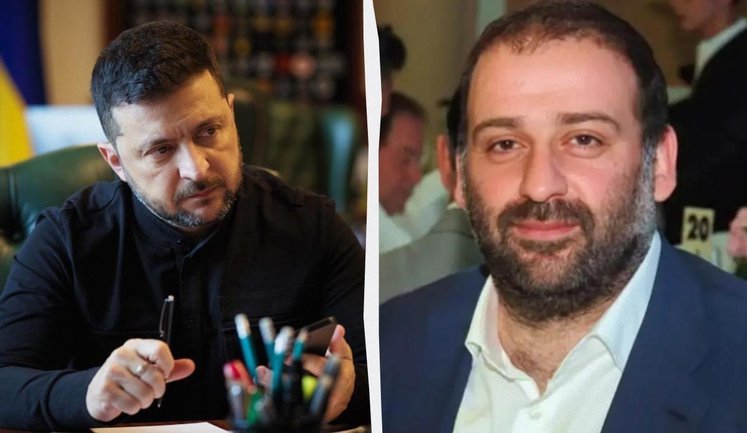
The case involves other prominent Ukrainian figures, including Timur Mindich. There's a focus on Chernyshov's connections to political elites, and exchanges with high-profile individuals, which have ignited discussions surrounding systemic corruption within the Ukrainian government and its impacts.
What actions have been taken by Ukrainian authorities?
The National Anti-Corruption Bureau of Ukraine and the Specialized Anti-Corruption Prosecutor’s Office are actively pursuing charges against Chernyshov. They have secured a significant bail amount and are conducting ongoing investigations, including court proceedings to establish legal accountability for any corrupt actions.
What does the outcome mean for Ukraine's anti-corruption efforts?
The outcome of Chernyshov's case is pivotal for Ukraine's anti-corruption efforts, highlighting the country's transparency and institutional integrity. Successful prosecution could enhance the credibility of anti-corruption agencies, reinforcing Ukraine's dedication to combating corruption at the highest levels.
What role do NABU and SAPO play in this case?
NABU and SAPO are key players in investigating and prosecuting the case against Chernyshov. They focus on uncovering irregularities and maintaining legal scrutiny over the alleged misdeeds of political figures, helping ensure that justice is served in matters of high-level corruption.