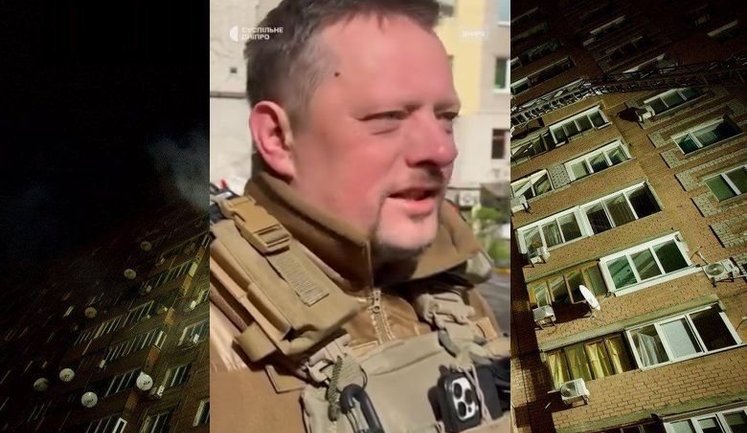
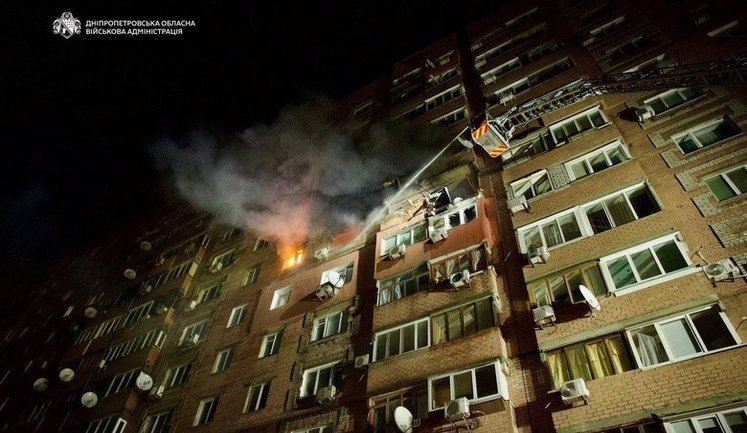
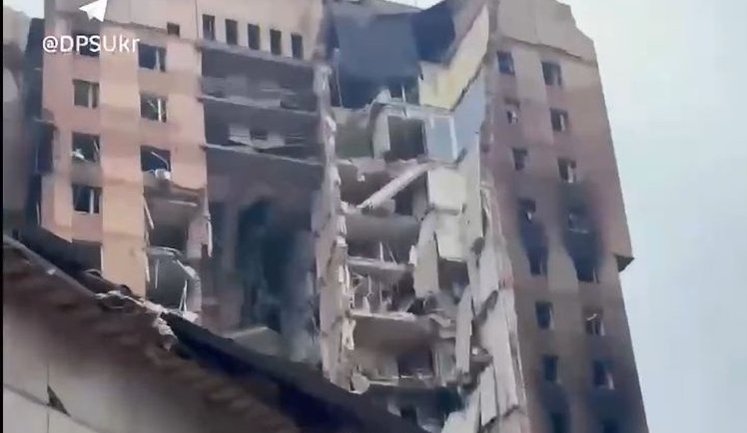
Amid escalating tensions, housing in Ukraine faces unprecedented challenges. Russian forces have initiated mass seizures of homes in occupied territories, impacting numerous Ukrainian families. Meanwhile, Ukrainian government programs, such as eRestoration, and international aid efforts, including Germany's funding for new apartments, strive to mitigate the housing crisis and provide shelter to those displaced by conflict. President Zelenskyy's ambitious plan to house internally displaced persons remains a priority despite financial hurdles. These developments underscore the critical housing issues faced by Ukrainians during these turbulent times.
What are the main issues with housing in Ukraine?
In Ukraine, housing issues are primarily driven by the ongoing conflict, leading to the destruction and seizure of homes. This has resulted in a severe shortage of living spaces for displaced citizens. The government is attempting to address this through initiatives like eRestoration, aiming to rebuild and renovate homes. Additionally, international support plays a vital role in providing temporary shelters and funding new housing projects.
How are Russian forces involved in Ukraine's housing crisis?
Russian forces have exacerbated Ukraine's housing crisis by seizing homes and apartments in occupied territories. This aggressive strategy deprives many Ukrainians of their properties, leading to significant humanitarian concerns. These tactics are part of a broader Russian effort to exert control over occupied regions, disrupting civilian life and causing widespread displacement.
What is the eRestoration program in Ukraine?
The eRestoration program is a government initiative designed to aid Ukrainian families affected by conflict in repairing and rebuilding their homes. Since its inception, it has supported nearly 100,000 families, providing resources and financial assistance to restore damaged properties. This program is crucial in addressing the housing deficit caused by the ongoing war and is part of a broader effort to stabilize affected communities.
How is international aid contributing to housing solutions in Ukraine?
International aid, notably from countries like Germany, is pivotal in addressing Ukraine's housing crisis. Aid efforts include financing the construction of new apartment complexes and providing resources for temporary shelters. These initiatives aim to offer immediate relief and long-term housing solutions for displaced Ukrainians, ensuring secure living conditions and mitigating the severe impact of the ongoing conflict on civilian life.
How has the Ukrainian government responded to the housing needs of IDPs?
The Ukrainian government has implemented various programs to address the housing needs of internally displaced persons (IDPs), such as eRestoration and financial assistance for rebuilding efforts. However, challenges persist due to limited resources and the vast scale of displacement. President Zelenskyy emphasizes the importance of securing sufficient funding and international partnerships to adequately support these initiatives, aiming to provide sustainable housing solutions for affected citizens.