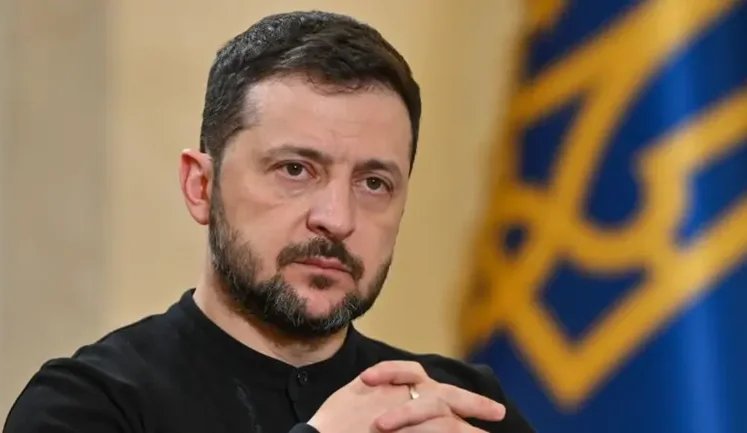
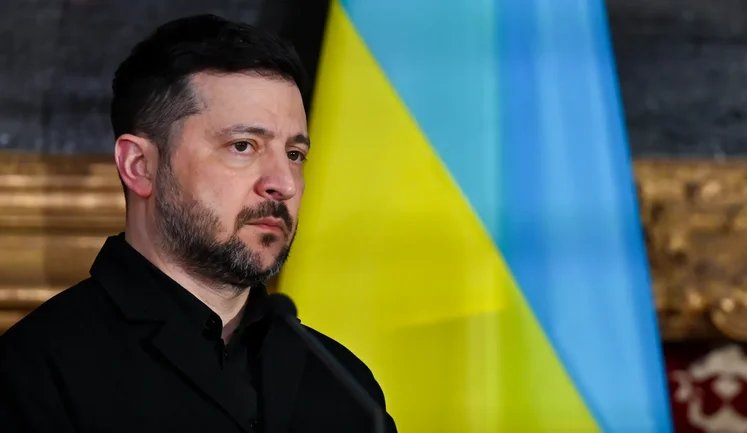
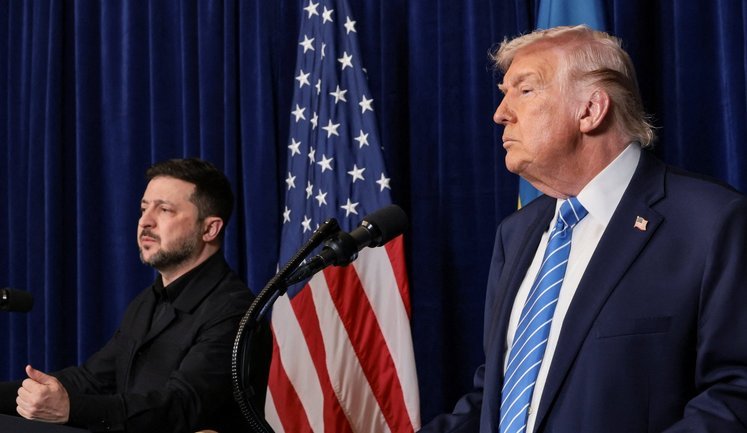
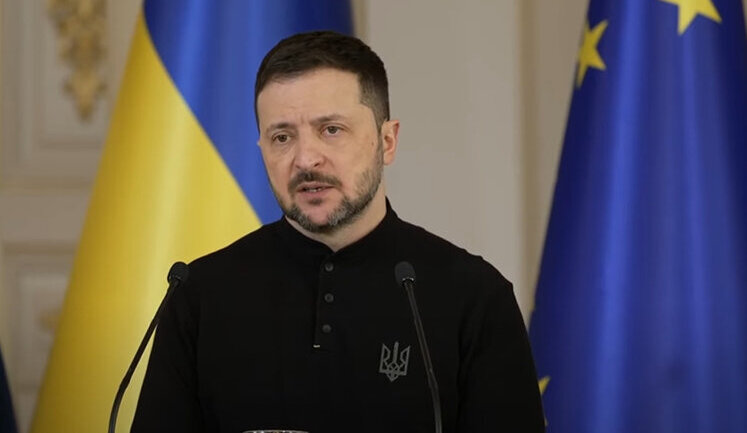
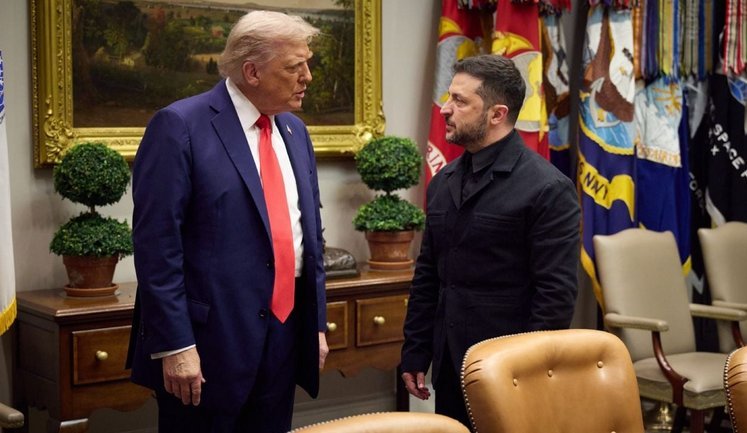
Ukraine's decision to stand firm against territorial concessions in the Donbas region marks a pivotal moment in the ongoing conflict with Russia. President Volodymyr Zelenskyy has reiterated that Ukraine will not compromise its fortified territories for peace, despite mounting international pressure. This stance is backed by public opinion, as a 2026 poll shows that 62% of Ukrainians oppose ceding Donbas in exchange for security guarantees from the US or Europe, indicating strong national sentiment against such moves. The European Union has also expressed concern over the potential repercussions of territorial concessions, warning that they could weaken Ukraine further. As peace negotiations continue, the issue of territorial integrity remains a major sticking point, with Ukraine holding firm to its sovereignty and rejecting unilateral withdrawal demands.
What are the consequences of Ukraine making territorial concessions?
Ukraine making territorial concessions could lead to weakened national defense and reduced sovereignty. Allowing Russia to occupy Donbas without resistance might embolden further aggression and compromise Ukraine's ability to protect its borders. Internationally, it could set a precedent of rewarding aggression, potentially destabilizing the region further and affecting global diplomatic norms.
How does public opinion in Ukraine view territorial concessions to Russia?
Public opinion in Ukraine strongly opposes territorial concessions, with 62% of Ukrainians against handing over Donbas for any security guarantees. This sentiment reflects a widespread belief in preserving national sovereignty, as territorial integrity is seen as central to Ukraine's identity and resistance against Russian aggression.
What is President Zelenskyy's stance on territorial concessions in Donbas?
President Volodymyr Zelenskyy has maintained a firm stance against making any territorial concessions in Donbas. He emphasizes the importance of preserving Ukraine's sovereignty and fortified positions, arguing that any withdrawal from Donbas without corresponding actions from Russia would undermine national security and embolden further Russian advances.
What are the international perspectives on Ukraine's territorial concessions?
Internationally, there is considerable debate about Ukraine's territorial concessions. The EU has expressed concerns, warning against such moves without solid security guarantees, as this could jeopardize regional stability. The U.S. and Russia have pressured Ukraine to consider concessions as part of peace negotiations, but the risks of weakened defense and regional instability remain crucial concerns for allies and Ukraine alike.
How does Russia's demand for Donbas affect peace negotiations?
Russia's insistence on acquiring the Donbas region as a precondition for peace creates a major impasse in negotiations. Moscow's demands for territorial control challenge Ukraine's sovereignty and the principle of international law, complicating diplomatic efforts and prolonging conflict. Until these core issues are resolved, achieving a sustainable peace remains challenging.
What role does international law play in Ukraine's refusal of territorial concessions?
International law supports Ukraine's stance against territorial concessions by upholding the principles of sovereignty and territorial integrity. Any forced or coerced handover of land challenges legal norms and could be seen as a reward for aggression. Ukraine relies on international law to validate its claims and reinforce diplomatic support against conceding its territories to Russia.
Are there potential diplomatic solutions for the territorial issues in Ukraine?
Diplomatic solutions require Russia to comply with international norms and respect Ukraine's sovereignty. Strategies might involve international mediation, guarantees of security, and fair negotiations that respect Ukraine's territorial integrity while addressing legitimate regional concerns. However, such solutions demand all involved parties to commit to genuine compromises and substantial assurances.
How are security guarantees relevant to the issue of territorial concessions?
Security guarantees are crucial in negotiations, as they provide Ukraine with assurances against future aggression. The idea is to strengthen Ukraine's security framework in exchange for concessions, though substantive and enforceable guarantees are necessary to ensure that Ukraine's sovereignty and security are genuinely protected and not compromised by any concession deal.
Why is Donbas strategically important for Ukraine?
Donbas is strategically crucial for Ukraine given its economic significance and fortified military presence. Ceding this region would not only represent a significant territorial loss but would also weaken Ukraine's defensive capabilities and disrupt its geopolitical standing, potentially making it more vulnerable to future incursions and reducing its leverage in ongoing peace talks.