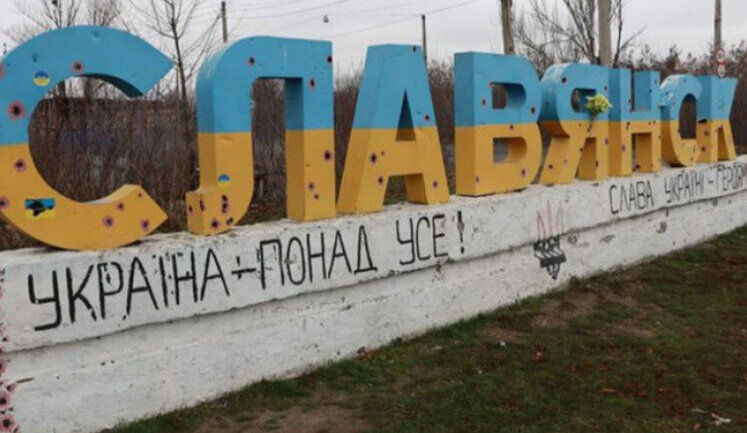
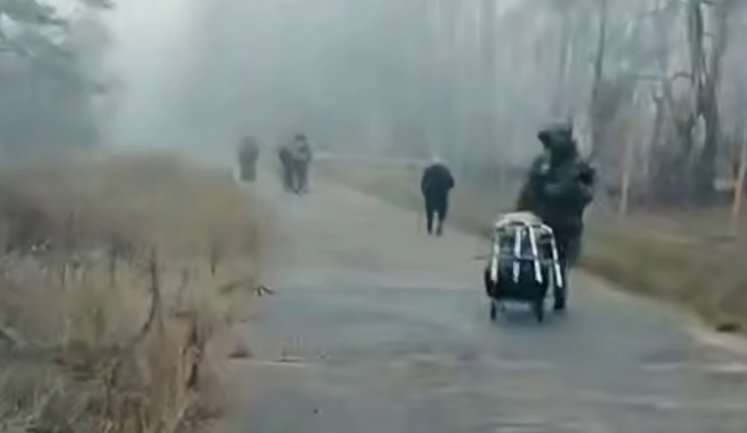
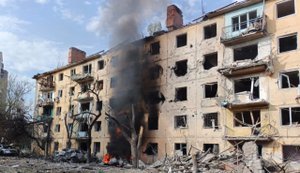
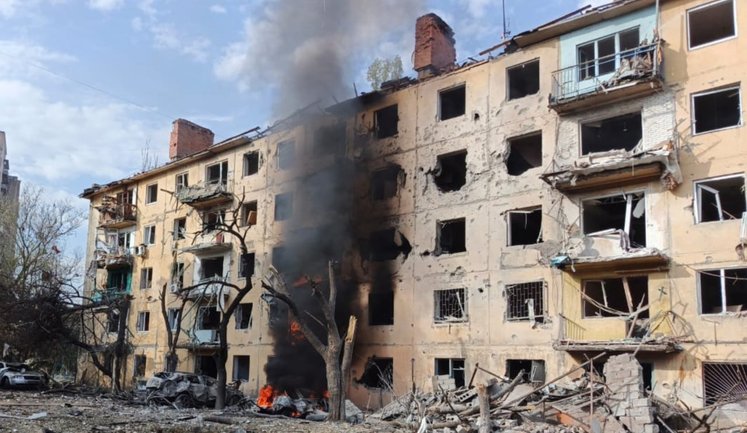
In the Donetsk region, the situation remains dire as the evacuation becomes increasingly challenging due to intensified Russian attacks, including aerial assaults. Despite adversity, mandatory evacuation of civilians is prioritized, particularly for children, the elderly, and those with disabilities. Recent reports indicate that families from Sloviansk and Kramatorsk must vacate immediately with local authorities intensifying evacuation protocols. The evacuation efforts, crucially aimed at mitigating civilian casualties, continue as part of a broader humanitarian strategy to protect residents from mounting threats. Evacuation in Donetsk region has become a critical measure, especially in the face of escalating Russian military actions that threaten daily life.
What are the reasons for compulsory evacuation in Donetsk region?
The compulsory evacuation in the Donetsk region is necessary due to intensified military actions by Russian forces, which have increased the threat to civilian lives. These actions include significant aerial and ground assaults, making it unsafe for residents to remain in certain areas. Authorities have prioritized evacuating vulnerable populations, such as children and the elderly, to protect them from escalating hostilities.
How many children are affected by the compulsory evacuation in Donetsk region?
In the Donetsk region, recent data indicates that hundreds of children are affected by compulsory evacuation orders, particularly in towns like Kramatorsk and Sloviansk. Evacuation efforts focus on minimizing risks to these children as military confrontations continue to pose significant dangers, emphasizing the urgency of these actions for their safety.
What measures are Ukrainian authorities taking to facilitate the evacuation process?
Ukrainian authorities are implementing several measures to facilitate the evacuation process in Donetsk. These include establishing evacuation zones, employing military and local services to assist in the transportation of residents, and increasing communication efforts to ensure that all affected populations are aware of the risks and available evacuation options. These strategic efforts aim to efficiently relocate residents to safer areas.
What challenges are faced during evacuation efforts in the Donetsk region?
Evacuation efforts in the Donetsk region face numerous challenges, including ongoing military attacks, logistical difficulties in transporting large groups of people safely, and resistance from some residents who are hesitant or unable to leave. Additionally, the complexity of coordinating cross-agency operations under continuous threats further complicates these critical humanitarian missions.
How have recent attacks influenced the pace and scope of evacuation activities?
The recent escalation in attacks has significantly influenced both the pace and scope of evacuation activities in Donetsk. The urgency of evacuations has increased as the safety situation deteriorates, prompting a broader scope for mandatory evacuations, with authorities having to act swiftly to mitigate risks. This has resulted in expanded evacuation zones and enhanced operational urgency to protect civilians.
What is the current situation for civilians remaining in high-risk areas of Donetsk?
For civilians remaining in high-risk areas of the Donetsk region, the situation is critical. These areas face continuous threats from military actions, including shelling and drone attacks. Authorities strongly encourage evacuations, yet logistical barriers and personal reasons sometimes hinder the swift relocation of all residents. Protection remains a priority amidst these challenges.
What role do local and international organizations play in the evacuation process?
Local and international organizations play crucial roles in the evacuation process by providing resources, logistical support, and humanitarian aid. Their contributions are vital in coordinating and facilitating the safe relocation of civilians from conflict zones to secure locations. These organizations also assist in post-evacuation support, ensuring the well-being and safety of evacuees.