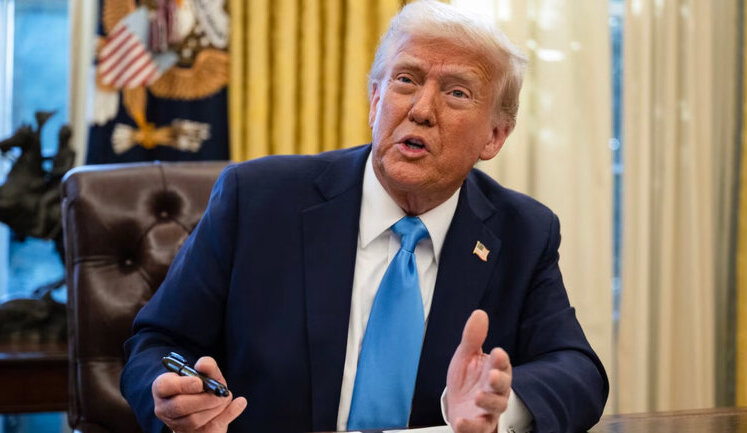
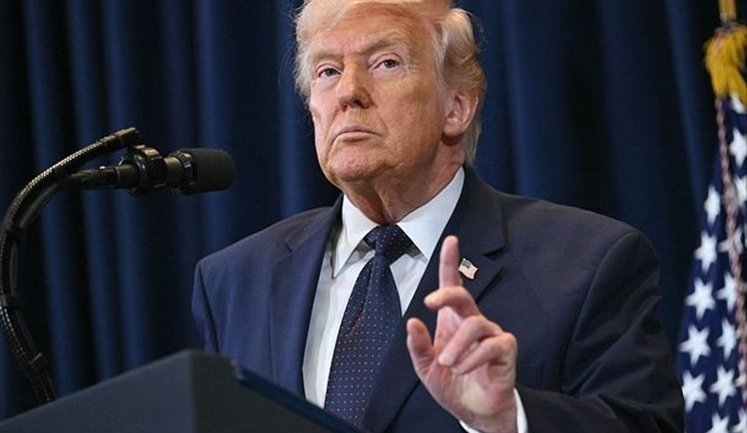
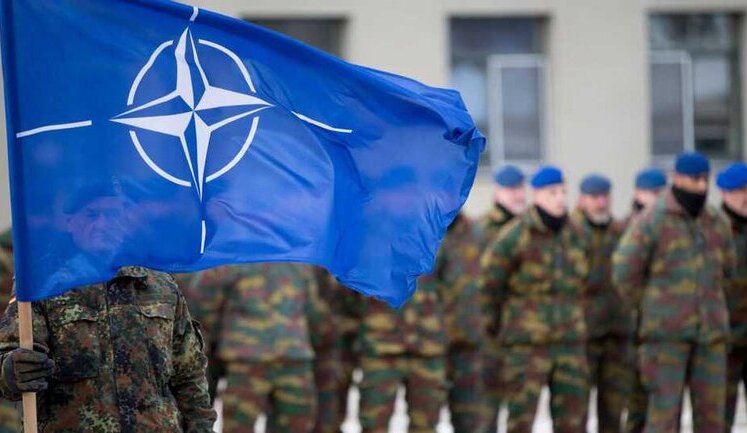
The demands put forth by US President Donald Trump towards NATO members are causing significant global tensions. Trump's calls for increased defense spending have led to European countries preparing for defense scenarios without US involvement, as reported by the Wall Street Journal. Meetings between Trump and European leaders, such as Prime Minister Mark Rutte, have been contentious, with criticism over NATO’s role in security operations. Trump has suggested possible troop withdrawal from Germany, highlighting defense spending disputes. Even as NATO countries consider increasing defense budgets due to threats like Russia, skepticism remains about sufficiency. US officials, however, assert that NATO must become more sustainable to retain US support. Meanwhile, European nations are quietly strategizing how to replace US military forces, acknowledging a decade-long transition without US security guarantees. Trump warns that without the US, NATO's effectiveness could significantly diminish.
Why are NATO members increasing their defense spending?
NATO members are focusing on increasing defense spending mainly due to perceived threats from Russia and Trump's demands. US officials have stressed that the current spending target of 2% of GDP by NATO countries is inadequate. European countries recognize the need for enhanced independence in defense, thus upping their military budgets and strategizing for security without a heavy US presence.
What impact does Trump’s stance have on US-European relations?
Trump's stance on NATO funding and the possibility of withdrawing US troops from Europe have strained US-European relations. His critical approach has led to tension-filled meetings with European leaders and has prompted Europe to reassess its defense strategies. This tension is noteworthy in the planning to potentially operate without US security backing, profoundly influencing diplomatic dynamics.
How is Europe preparing for defense without US support?
In response to uncertainties surrounding US support under Trump's administration, European countries are developing independent defense strategies. Plans involve increasing their defense spending and organizing military structures to function without relying on US security guarantees. Experts estimate this transition could take up to a decade to fully implement and reposition military assets across Europe.
What has been US President Trump’s reaction to NATO's current defense policies?
President Trump has criticized NATO's current defense spending policies, arguing that member countries are not contributing enough to collective security, thereby burdening the US. He has suggested the potential withdrawal of US military assets from Europe and emphasized the need for a more viable NATO. This reflects significant dissatisfaction with the status quo and pressures allies to reevaluate their commitments.
Is there a consensus among NATO countries about defense spending?
There is a growing consensus among NATO countries on the necessity to increase defense spending. This stems from both external threats, particularly from Russia, and internal pressure from the US to bolster its contribution to collective defense. Even as some nations are reluctant and stressed by the financial burden, acknowledging the need for a stronger defense structure has become prevalent.
Why is Trump's meeting with Prime Minister Mark Rutte significant?
Trump's meeting with Prime Minister Mark Rutte was significant due to the President's critical remarks concerning allies' defense contributions and their support for US operations. Such incidents highlight the underlying tensions in transatlantic relations under Trump's administration and foreshadow potential geopolitical shifts, should the US decide to alter its longstanding commitments to security alliances.
What are the potential consequences if the US reduces its role in NATO?
If the US reduces its role in NATO, it may lead to a substantial security gap in Europe, causing member states to accelerate their defense capability build-up. It could weaken NATO's collective deterrence against external threats while also necessitating a reassessment of security alliances and military responsibilities within the region. The shift might realign power dynamics on a global scale.
How long might it take Europe to replace US military forces?
Replacing US military forces in Europe is expected to be a multi-year initiative, with estimates suggesting up to a decade for full implementation. This time frame accounts for the complexities of funding, assembling military strength, and re-establishing defense infrastructure to independently ensure regional security without the traditionally dominant US military presence.