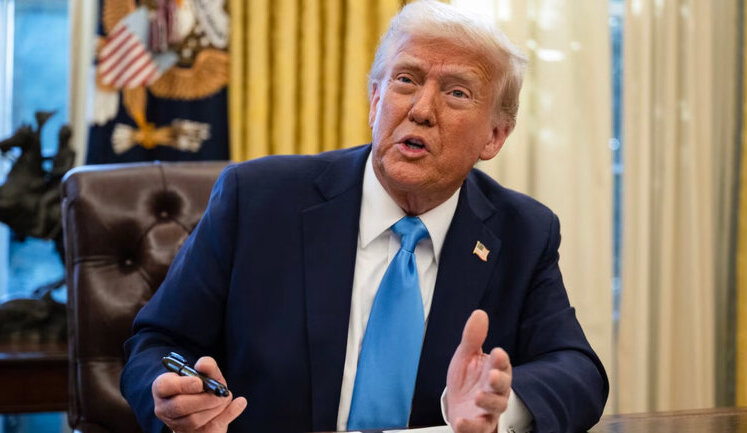
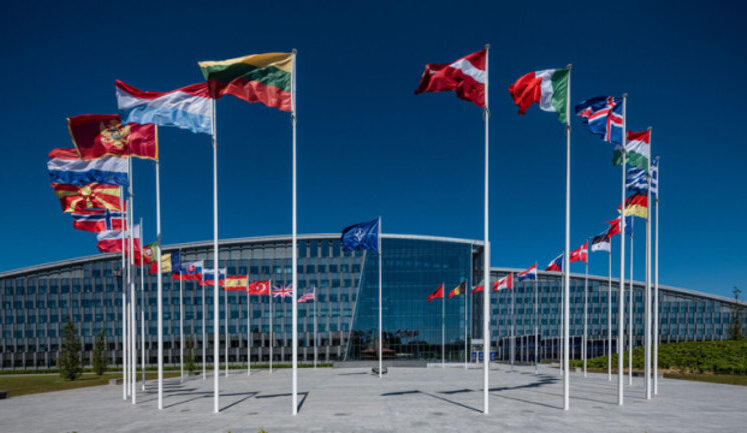
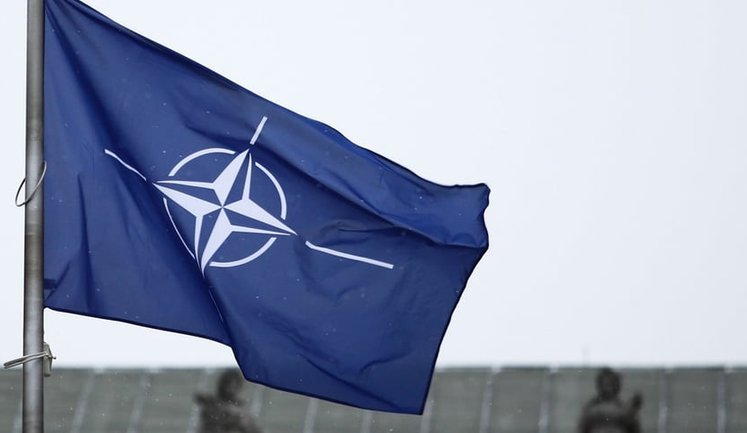
The United States' relationship with NATO is undergoing scrutiny, as indicated by Marco Rubio's statement regarding a reassessment post-Iran operation. The US has expressed a desire for a robust and unified NATO, articulated by Matthew Whitaker who dismissed any intentions of the Alliance's disbandment. However, internal measures like cutting around 200 positions indicate strategic restructuring. Additionally, legislative propositions such as Congressman Massie's draft advocating withdrawal have surfaced, albeit countered by affirmations from officials like Trump and the State Department's opposition to cutting NATO funding entirely. This evolving dialogue reflects America's balancing act in maintaining its pivotal NATO role while contemplating resource reallocation.
What is the current status of US involvement in NATO as of 2026?
The United States continues to be a critical member of NATO. Despite discussions and legislative proposals about reevaluating its role or even withdrawal, US officials emphasize the importance of maintaining a strong Alliance. Reassessments are expected following operations in Iran, but commitments to NATO remain affirmed by key figures like Whitaker and Trump.
Is there a possibility of the US withdrawing from NATO?
While discussions on the potential for US withdrawal have surfaced, official statements from leaders including Donald Trump indicate no immediate plans to withdraw from NATO. The State Department's stance further negates the idea of complete cessation of funding, highlighting continued engagement with NATO.
How does the US view its relationship with NATO currently?
The United States, as noted by Secretary of State Marco Rubio and Ambassador Matthew Whitaker, seeks a reassessment of its NATO role but aims for a strong, unified alliance. Statements discredit notions of NATO's weakening and underscore the US's critical role in the Alliance's security framework.
Have there been any reductions in US personnel within NATO?
The US has announced a reduction of approximately 200 positions in NATO structures, reflecting internal strategic shifts. These changes do not, however, indicate a diminished commitment to the Alliance's effectiveness, but rather an optimization of resources.
How are European countries responding to US NATO policy shifts?
In response to potential changes in US NATO involvement, European countries, including the UK, France, and Germany, are formulating plans to enhance their defense autonomy. This strategy aims to mitigate potential risks if US commitment were to alter significantly.
What are the major concerns regarding the US's future in NATO?
The primary concerns include legislative interests in withdrawal, restructuring efforts, and budgetary decisions affecting NATO funding. European and global leaders are closely monitoring these developments, preparing contingencies to maintain Alliance stability and security.
What assurances have US leaders provided about staying in NATO?
US leaders, such as President Donald Trump and Secretary of State Marco Rubio, have consistently provided assurances that the US does not intend to abandon its NATO commitments. These statements are reinforced by opposition to full funding cuts and affirmation of strategic relevance within NATO.