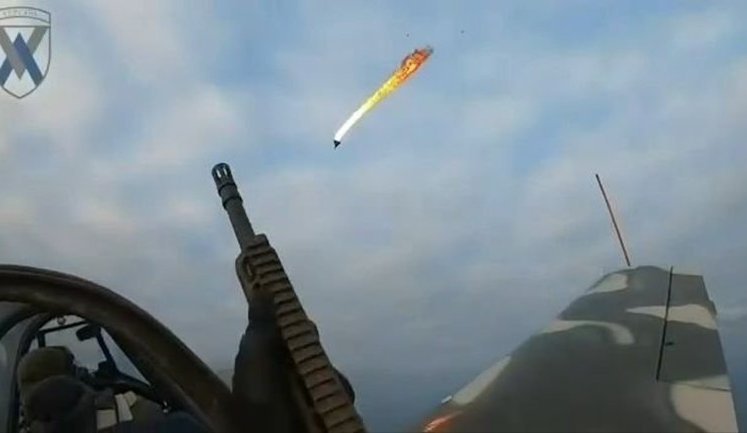
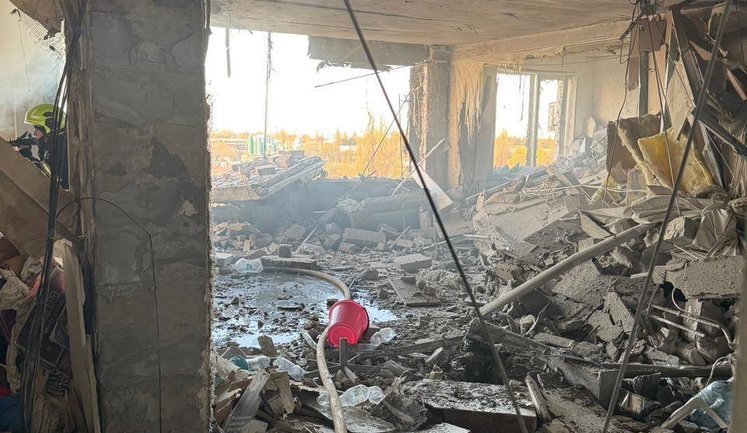
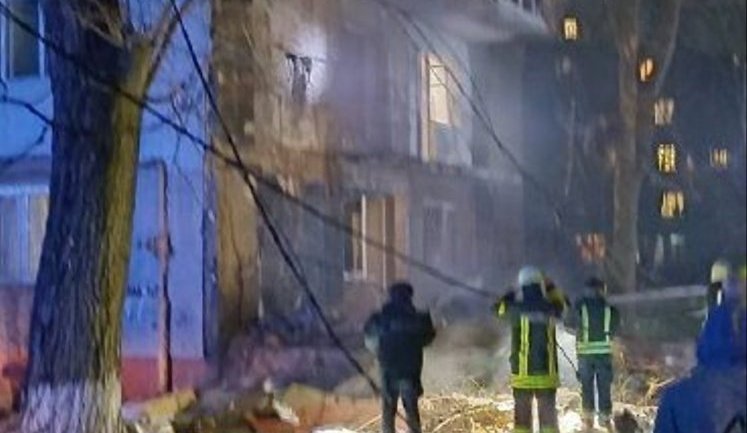
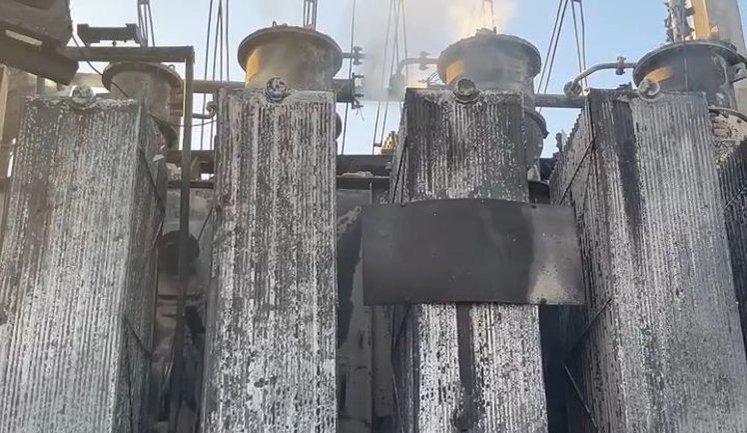
Odesa has been under a series of drone attacks from Russian forces, causing significant infrastructure damage and injuring several individuals. On multiple occasions, these strikes have targeted civilian and energy infrastructures, highlighting the ongoing conflict in Ukraine. Key incidents include a high-rise building being hit on February 12th, 2026, and widespread damage reported from January 27th, 2026. These attacks reflect a broader strategy of targeting crucial urban centers in Ukraine, disrupting daily life and further escalating tensions in the region. The continuous aggressions have left parts of Odesa struggling with electricity supply, prompting aid from other Ukrainian communities. This situation underscores the resilience of Odesa amidst the crisis as efforts continue to sustain normalcy despite the persistent threats.
How has the drone attack affected the infrastructure in Odesa?
The drone attacks on Odesa have resulted in significant damage to both the civilian and energy infrastructure of the city. High-rise buildings, hospitals, service stations, and energy distribution facilities have been hit, causing widespread disruption in power supply and transportation. This necessitated aid from nearby communities with resources like buses to aid passenger transportation amid these challenges.
What are the main targets of the drone attacks in Odesa?
The main targets of the drone attacks in Odesa include civilian infrastructure such as residential areas, hospitals, and utilities, along with energy facilities. These strategic attacks aim to disrupt essential services and cause widespread distress within the populous urban area, impacting vital services like electricity and transportation.
What measures are being taken to assist affected residents of Odesa?
In response to the ongoing drone attacks, communities across Ukraine have provided support to Odesa. This includes donating buses to aid with transportation issues due to power shortages. Local authorities are also likely involved in emergency response efforts to secure affected areas, provide medical care, and restore services as swiftly as possible.
How have the drone attacks impacted daily life in Odesa?
The drone attacks have significantly impacted daily life in Odesa, resulting in disruptions to basic services like electricity and transportation. Many residents face difficulties due to damage to infrastructure, affecting business operations, schooling, and commuting. The persistent threat also places stress on local resources and emergency services struggling to cope with the frequent attacks.
What international reactions have there been to the drone attacks on Odesa?
International reactions include widespread condemnation of the attacks on Odesa, urging for a halt to hostilities, and calls for diplomatic resolutions. There may also be discussions at global platforms about providing humanitarian assistance and support to Ukraine to manage the aftermath of such destructive attacks.
What are the long-term implications of repeated drone attacks on cities like Odesa?
Repeated drone attacks on cities like Odesa can have dire long-term implications, including an enduring humanitarian crisis, economic instability, dislocation of residents, and deepened psychological trauma among the population. These conditions can hinder reconstruction efforts and strain international perceptions regarding regional security and stability.
Are there any protective measures being implemented in Odesa against drone attacks?
Protective measures likely include increased security surveillance, deployment of defensive systems, and public awareness programs to minimize casualties from drone attacks in Odesa. Authorities may also emphasize fortifying key infrastructures and improving emergency response systems to mitigate impact.