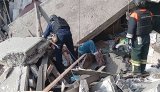
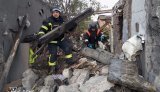
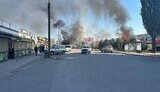
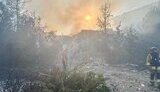
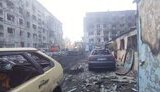
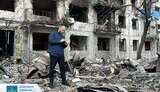
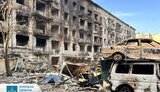
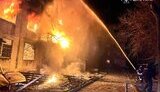
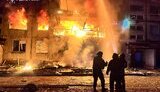
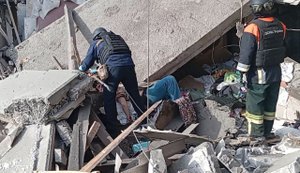
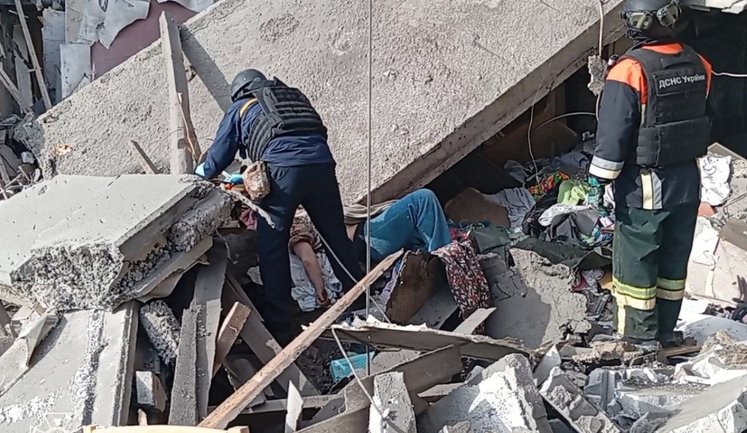
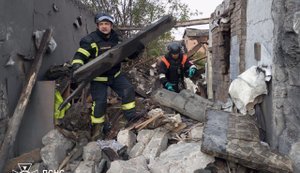
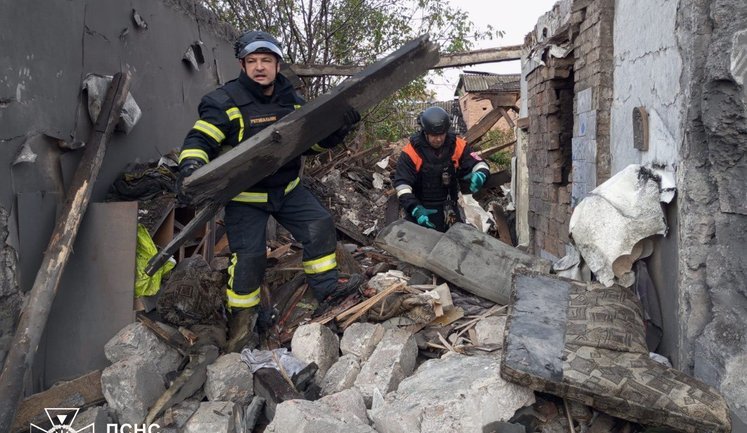
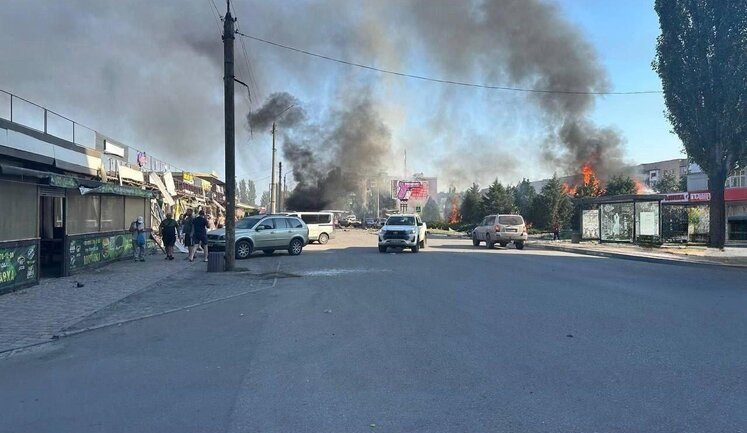
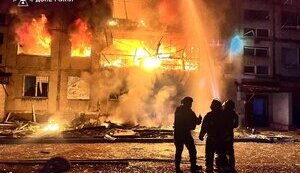
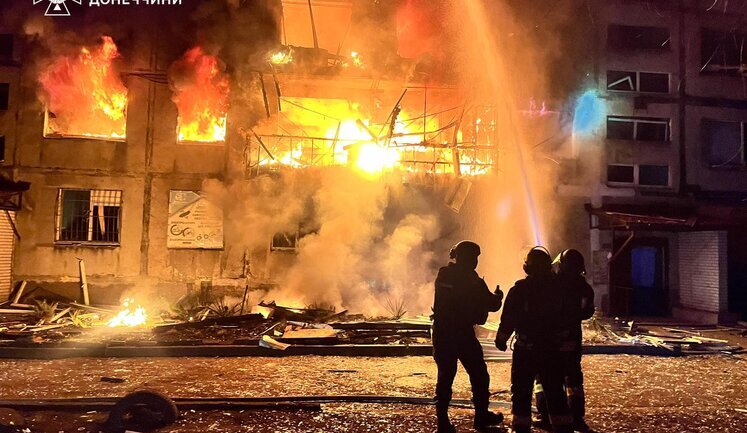
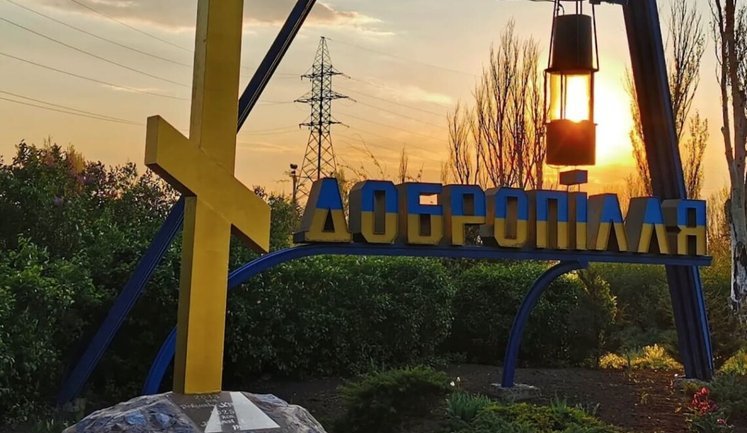
The town of Dobropillia in the Donetsk region has been severely affected by recent Russian military actions. A series of airstrikes and ballistic missile attacks have resulted in numerous casualties and extensive damage to residential areas. Reports indicate a rise in the death toll and a growing number of injured civilians. Rescue operations are ongoing amid the destruction left by multiple attacks. Ukrainian authorities, including President Zelenskyy, have condemned these actions as acts of terror against civilians. International voices, such as the U.S. Ambassador to Ukraine, have also criticized the indiscriminate violence. The relentless shelling and strikes have put immense strain on the local medical and emergency services, highlighting the dire humanitarian situation in Dobropillia and raising urgency for international intervention and aid.
What has been the impact of the Russian shelling on Dobropillia?
The Russian military's shelling and airstrikes on Dobropillia have led to significant destruction and loss of life. Multiple attacks have killed many civilians, injured scores, and devastated infrastructure. The strikes have targeted residential buildings, creating a humanitarian crisis with emergency services struggling to manage the aftermath. The ongoing aggression has been widely condemned, emphasizing the severe impact on the town and its people.
How has the death toll in Dobropillia changed recently?
The death toll in Dobropillia has unfortunately continued to climb due to the frequency and intensity of Russian attacks. Over recent weeks, several airstrikes and missile attacks have killed at least 11 people in one major incident, with numbers rising in subsequent attacks. The conflict has had a devastating effect on the civilian population, with many casualties reported on different occasions.
What has been the international response to the Dobropillia attacks?
International response has largely been one of condemnation, with global leaders and organizations labeling the strikes on Dobropillia as acts of terror and a violation of humanitarian norms. The U.S. Ambassador to Ukraine, Bridget Brink, has highlighted the burden on civilians, while Ukrainian President Vladimir Zelenskyy has strongly criticized the deliberate targeting of non-combatants. Calls for increased international support and intervention have been made to address the escalating violence in the region.
What are the specific types of attacks reported in Dobropillia?
The types of attacks on Dobropillia include airstrikes and the use of ballistic missiles, which have been directly responsible for civilian deaths and injuries. Russian forces have employed guided aerial bombs to target populated areas, resulting in significant destruction of infrastructure and residential buildings. The deliberate nature of these attacks has further exacerbated tensions and the humanitarian impact on the affected communities.
Have there been any rescue operations following the attacks in Dobropillia?
Yes, multiple rescue operations have been launched in response to the attacks in Dobropillia. Efforts have been made to save those trapped under the rubble of destroyed buildings. Emergency services, including rescue teams and medical personnel, have been actively involved in responding to casualties and providing necessary aid. However, the continued threat of further strikes has complicated rescue efforts, putting both rescuers and survivors at risk.
What was President Zelenskyy's reaction to the attacks on Dobropillia?
President Zelenskyy has condemned the attacks on Dobropillia in the strongest terms, describing them as horrific acts of Russian terror against civilians. He emphasized the senseless nature of these strikes and stressed the immediate need for international support to protect civilians and hold aggressors accountable for their actions. His statements reflect the broader Ukrainian outrage and call for justice amid the escalating conflict.