Ukraine is intensifying its fight against corruption, with recent efforts by the National Anti-Corruption Bureau (NABU) bringing significant cases to light. Among these is the exposure of a Security Service of Ukraine official for leaking investigation secrets. Recent polls indicate mixed public perception; while some Ukrainians see progress, others perceive stubborn systemic corruption. The removal of an anti-corruption strategy from the Rada's agenda has raised concerns, as has the European Commission's alert about pressures on Ukraine's anti-corruption bodies. High-level exchanges, such as those between German Economy Minister Katherina Reiche and President Zelenskyy, emphasize ongoing international scrutiny and expectations.
What is the current focus of anti-corruption efforts in Ukraine?
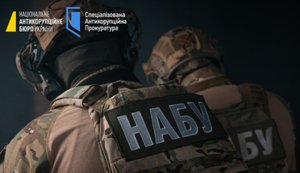
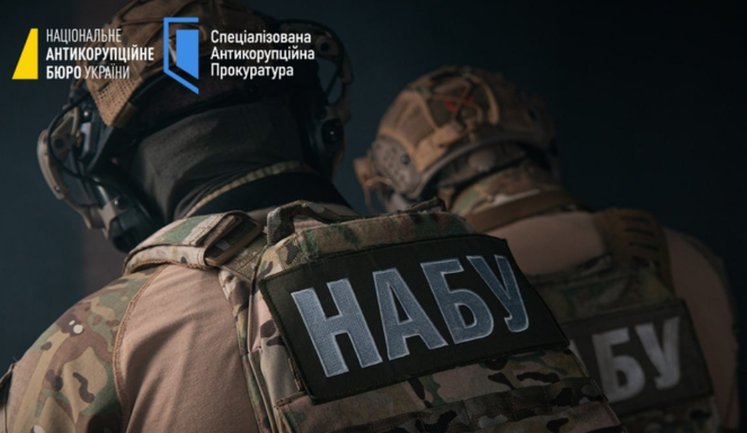
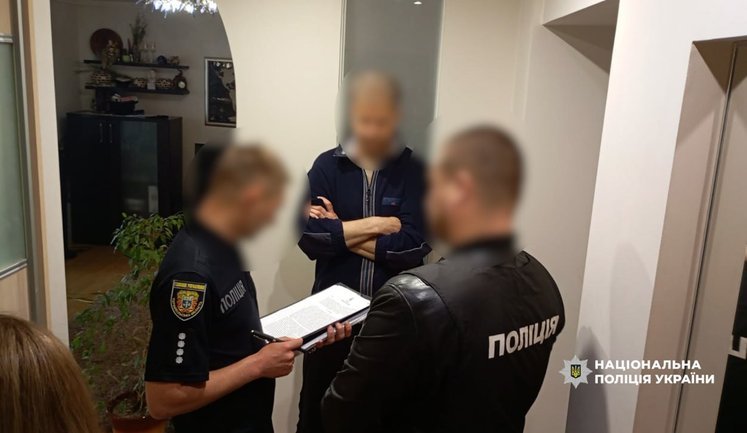
Ukraine is focused on enhancing transparency and accountability through the efforts of agencies like the National Anti-Corruption Bureau (NABU) and the Specialised Anti-Corruption Prosecutor’s Office (SAPO). Recent operations have targeted officials in the Security Service, highlighted organized crime involvement in corruption, and scrutinized judicial practices.
How are recent corruption cases impacting Ukraine's EU membership prospects?
The European Union has consistently emphasized the importance of combating corruption as a prerequisite for Ukraine's EU membership. Recent revelations have underscored the need for transparent reforms, signaling that effective anti-corruption measures are critical for advancing towards EU integration.
What are the public opinions on corruption in Ukraine?
Public opinion on corruption in Ukraine remains divided. While some surveys indicate optimism regarding the fight against corruption, with 55% seeing progress, others reflect skepticism, with 41% believing the situation remains dire. Trust in bodies like NABU remains relatively high, yet challenges persist at systemic levels.
What recent legal reforms has Ukraine undertaken aimed at curbing corruption?
Ukraine has introduced several legal reforms intended to strengthen its anti-corruption framework. These include restoring asset declaration requirements for non-active duty law enforcement personnel and proposals aimed at enhancing oversight and accountability within governmental institutions, although some critical bills remain delayed or removed by the Rada.
How has international pressure influenced Ukraine's anti-corruption strategies?
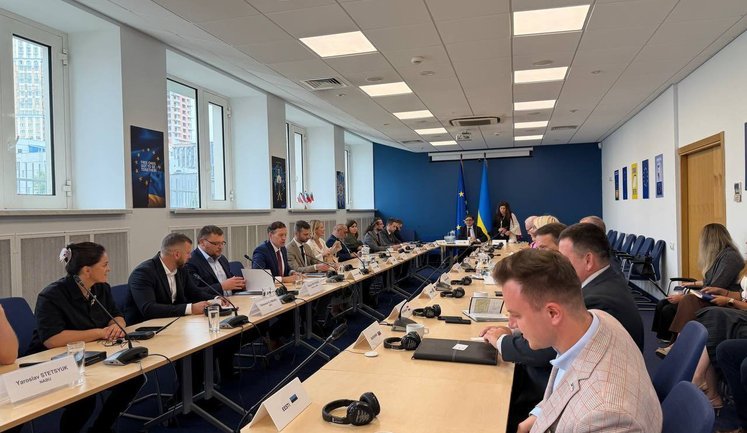
International pressure, particularly from the European Union and major allies like Germany, has played a significant role in shaping Ukraine's anti-corruption strategies. Such pressure ensures adherence to reforms, transparency, and accountability, emphasizing these as conditions for financial assistance and future EU membership.
What steps has NABU taken recently in anti-corruption efforts?
The National Anti-Corruption Bureau of Ukraine (NABU) has recently been active in exposing high-profile corruption cases. Key efforts include uncovering illicit financial operations within government sectors, holding officials accountable, and participating in joint operations with international agencies to align Ukrainian practices with broader European standards.
What are the challenges facing Ukraine's anti-corruption agencies?
Ukraine's anti-corruption agencies face several challenges, including political interference, insufficient legal reforms, and public skepticism. There is also considerable pressure from international bodies to maintain autonomy and effectiveness while facing internal and external attempts to undermine their authority and operations.