ENG




16428 visitors online
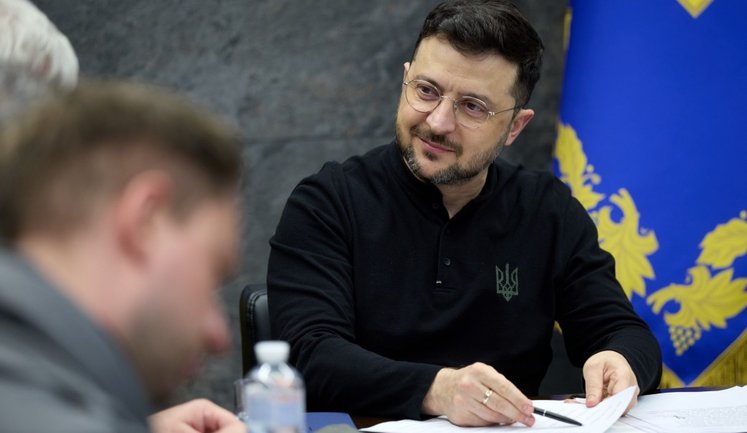
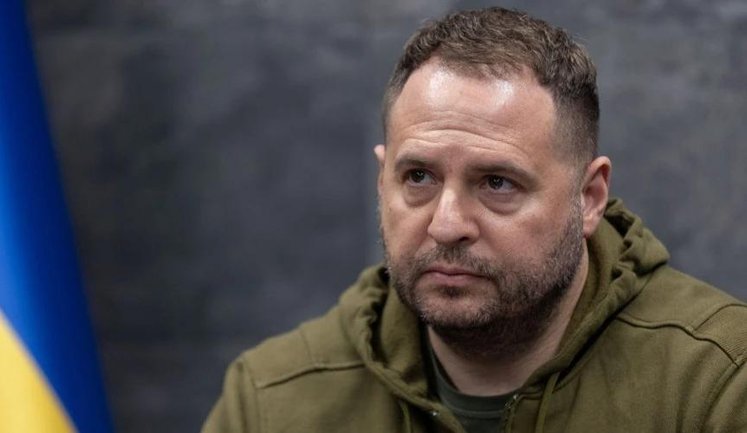
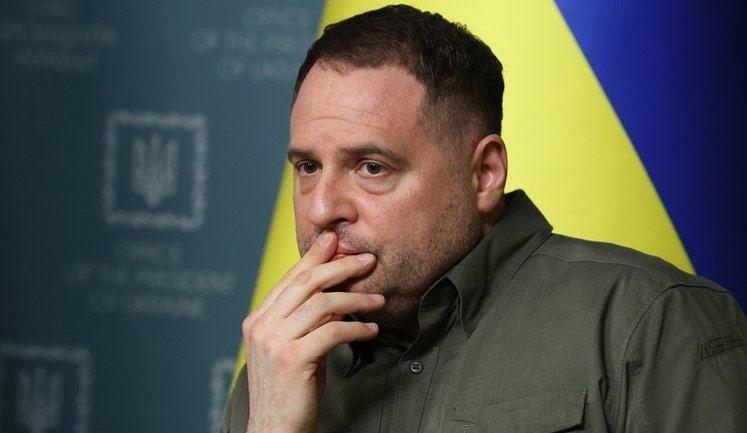
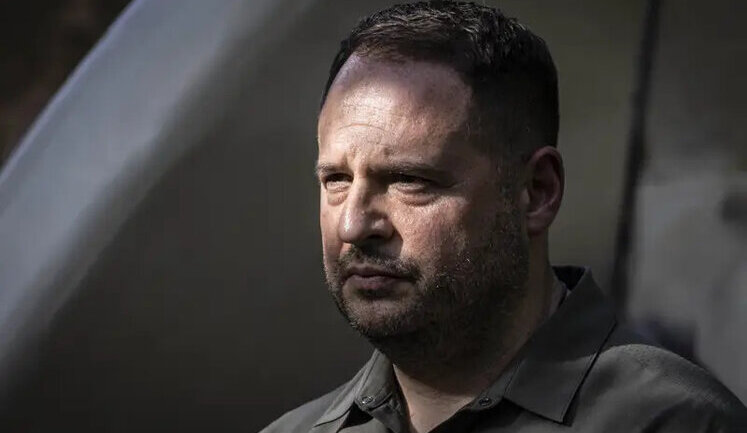
The sudden dismissal of Andriy Yermak, former head of the Presidential Office, by President Volodymyr Zelenskyy, has been a contentious topic in Ukraine. President Zelenskyy denied that the dismissal was related to a NABU corruption investigation, stating, "I had my own reasons." However, speculation about Yermak's involvement in corruption and evasion of military service is rife. Post-dismissal, Yermak has remained active in Kyiv, often seen travelling in an ambulance and engaging with prominent figures, including Sean Penn in the Donetsk region. Meanwhile, President Zelenskyy is yet to announce Yermak’s replacement, with several contenders under consideration. As debates continue, this incident highlights the complexities within Ukrainian politics amid an ongoing war, posing challenges to President Zelenskyy's administration.
Why was Andriy Yermak dismissed from his position?
Andriy Yermak was dismissed by President Volodymyr Zelenskyy, who stated the dismissal was due to personal reasons and not linked to a corruption investigation. Speculation about corruption and evasion of military service lingers, contributing to the complexities surrounding his dismissal.
Was Yermak involved in any scandals prior to his dismissal?
Before his dismissal, Yermak was embroiled in a series of controversies, including accusations of blocking law enforcement agencies' operations and potential involvement in corruption. These factors stirred public debate, although the official dismissal was not linked to these allegations.
Has Andriy Yermak faced any allegations of corruption?
Although President Zelenskyy denied that Yermak's dismissal was due to corruption allegations, there have been widespread media reports suggesting his involvement in various corrupt activities. The National Anti-Corruption Bureau of Ukraine has been conducting investigations related to these claims.
What is the public reaction to Yermak's dismissal?
The public response has been mixed. While some view his dismissal as a necessary step for political clarity and anti-corruption efforts, others see it as a scapegoating move amid broader systemic issues. A significant portion of Ukrainians supports his dismissal, as indicated by recent polls.
Is there a proposed successor for Yermak?
As of now, President Zelenskyy has not officially announced a successor for Yermak. However, reports suggest a number of potential candidates are being considered for this crucial role, which remains pivotal in Ukraine's political landscape during the ongoing conflict.
w117_header_alt Yermak’s dismissal
 Yermak still communicates with acting SSU chief Poklad and wanted to fabricate case against me, - SAPO head Klymenko Despite his dismissal, former head of the Presidential Office and a figure in corruption investigations Andriy Yermak retains influence and continues to communicate with current heads of law enforcement agencies, including acting SSU chief Oleksandr Poklad. 19 089 46 Previously in trend: Yermak’s influence Yermak’s dismissal
 Zelenskyy has made Ukraine most famous country in world. He lives like astronaut, – ’Servant of People’ MP Bohutska Liza Bohutska, a Member of Parliament from the "Servant of the People" faction, has stated that she is outraged by the online abuse directed at President Volodymyr Zelenskyy and the former head of the President’s Office, Andrii Yermak. 15 009 182 Previously in trend: Yermak’s dismissal
 Personally, I see no difference between lawyer Yermak and lawyer Medvedchuk, – Zhadan The Ukrainian writer, poet and public figure Serhii Zhadan would not wish to use Andriy Yermak’s services as a lawyer. 12 072 85 Previously in trend: Yermak’s dismissal
 Yermak consulted "Veronika Feng Shui" on how to prevent Fedorov’s appointment as Presidential Office chief – media In late 2025, former head of the Presidential Office Andriy Yermak and Servant of the People parliamentary faction leader Davyd Arakhamiia opposed the appointment of Mykhailo Fedorov as head of the Presidential Office. 9 113 60 Previously in trend: Yermak’s influence Yermak’s dismissal Fedorov’s resignation
 Soldiers on front line – Yermak’s props? // Uncensored. VIDEO Retiree and fan of underground gyms, Andriy Yermak continues to use Ukrainian soldiers for PR. 4 772 22 Previously in trend: Yermak’s influence Yermak’s dismissal
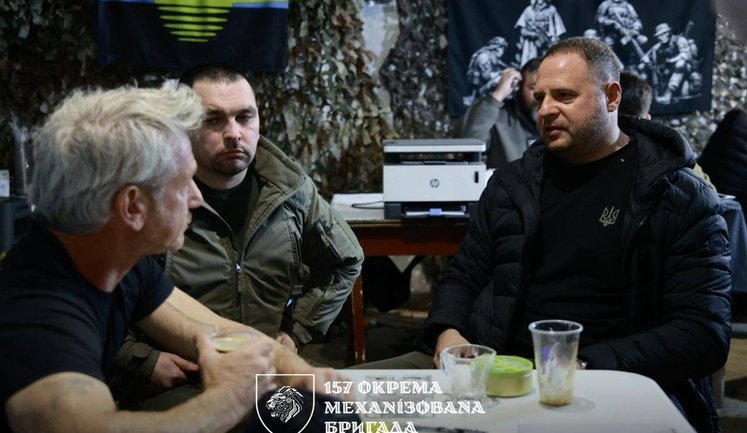
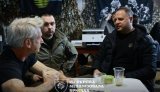 Yermak came to front not to fight, but to take photo with Sean Penn. PHOTOS American actor and director Sean Penn visited a combat unit of the 157th Separate Mechanised Brigade in the Donetsk region, including in Sloviansk. 14 613 53 Previously in trend: Yermak’s dismissal
 I doubt that Yermak could face compulsory mobilisation, - Kaleniuk Former head of the Presidential Office Andrii Yermak is trying to clear his name. 3 305 29 Previously in trend: Yermak’s influence Yermak’s dismissal
 Zelenskyy on Yermak’s dismissal: Not because of corruption, "I had my own reasons" President Volodymyr Zelenskyy denied that a NABU corruption probe was the reason for the dismissal of his former Office head Andriy Yermak. 7 155 72 Previously in trend: Yermak’s influence Mindichgate Yermak’s dismissal
 Yermak lied and did not go to front, evades mobilization in Kyiv - media Former head of the Presidential Office Andriy Yermak, after promising to go to the front, is currently not serving in the Armed Forces of Ukraine and lives in Kyiv. 16 654 89 Previously in trend: Yermak’s influence Yermak’s dismissal
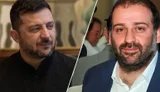 Yermak and Mindich’s lawyers met in Israel, - media. VIDEO The former head of the President's Office continues to live in Kyiv and maintains contact with officials. 4 560 30 Previously in trend: Yermak’s dismissal
"Water from corpses and dolls in box": Mendel spoke about Yermak’s magical practices Former press secretary to the President of Ukraine, Yulia Mendel, said that former head of the President's Office Andrii Yermak is involved in magic. 36 667 229 Previously in trend: Yermak’s influence Yermak’s dismissal Searches at Yermak’s premises
 MP Honcharenko says Yermak travels around Kyiv in ambulance vehicle Former head of the Office of the President Andriy Yermak is getting around Kyiv in an ambulance vehicle. 19 537 104 Previously in trend: Yermak’s dismissal Notice of suspicion for Yermak
 Following Bakanov’s trail: where did Yermak go? | Uncensored. VIDEO In this video, Censor.NET looks into where Andriy Yermak disappeared after his high-profile resignation and why his sudden return to legal practice is not a coincidence but a calculated self-protection strategy. 3 214 13 Previously in trend: Yermak’s dismissal
 Yermak lied that he went to front, but in fact he went to become lawyer Former head of the Presidential Office Andrii Yermak, who announced after his dismissal that he would go to the front, has regained his right to practise law. 15 036 130 Previously in trend: Yermak’s dismissal
 Yermak, who promised to go to front, is not serving anywhere, - Zhelezniak. VIDEO Former Head of the Presidential Office Andrii Yermak is not performing military service. 11 383 66 Previously in trend: Yermak’s dismissal
 Leshchenko and Podoliak "reappointed" to positions in OP, they continue to work. VIDEO Yermak's adviser Serhii Leshchenko said that he and Mykhailo Podoliak continue to work in the President's Office. They have been reassigned to other positions. 4 686 48 Previously in trend: Yermak’s dismissal
All of Yermak’s assistants and advisers have been dismissed from President’s Office, - media. DOCUMENT Following Andrii Yermak's resignation as head of the President's Office, his advisers and assistants were also dismissed. 7 270 47 Previously in trend: Yermak’s dismissal
 Yermak regularly communicates with Zelenskyy in Koncha-Zaspa, - media Despite his dismissal from the post of Head of the Presidential Office, Andrii Yermak continues to maintain contact with President Volodymyr Zelenskyy. 16 294 109 Previously in trend: Yermak’s influence Yermak’s dismissal
 "Without Yermak, president is left without hands," - Kolomoisky said During a court hearing, Ukrainian businessman Ihor Kolomoisky expressed his opinion on Andrii Yermak's resignation from the post of Head of the President's Office. 16 762 71 Previously in trend: Yermak’s dismissal
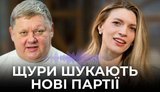 Who needs exposé interviews about Yermak - Viktor Bobyrenko // UNCENSORED. VIDEO Maryna Danyliuk-Yarmolaieva and Viktor Bobyrenko discuss how the decline in the government's approval rating is prompting "rat" MPs to abandon ship and seek new parties. 8 434 13 Previously in trend: Yermak’s dismissal
Yermak is preparing to flee Ukraine, - Honcharenko It is likely that the former head of the President's Office, Andrii Yermak, is preparing to flee. 17 485 121 Previously in trend: Yermak’s dismissal
 Yermak visits Ivashchenko’s Foreign Intelligence Service office. Escape from Ukraine is likely being prepared – media This evening, on 5 December, former head of the President’s Office Andriy Yermak visited the central office of the Foreign Intelligence Service of Ukraine. He may have been negotiating arrangements for cover documents to leave Ukraine. 31 229 150 Previously in trend: Yermak’s dismissal Notice of suspicion for Yermak
Yermak still holds key positions in public authorities, despite his dismissal from Office of President, - media Despite the fact that Andrii Yermak no longer heads the Office of the President, he continues to hold at least nine positions in various structures, including those related to national security and the activities of Volodymyr Zelenskyy. 15 157 73 Previously in trend: Yermak’s influence Yermak’s dismissal
 Yermak torn apart by Zelenskyy’s own rats / Putin preparing attack on Europe 🔴 UNCENSORED. VIDEO "Uncensored" live with Maryna Danyliuk-Yarmolaieva. 5 710 10 Previously in trend: Uncensored Yermak’s dismissal
"Yermak told president that Armenia bought Bellingcat to attack him," - Mendel Former press secretary to President Volodymyr Zelenskyy, Yuliia Mendel, recalled the events of 2020 related to the scandal surrounding the operation against the Wagner Group militants, known as "Wagnergate," and the role of the then head of the President's Office, Andrii Yermak. 12 039 59 Previously in trend: Yermak’s influence Yermak’s dismissal
 Mendel afraid for his life because of Yermak: "He is very dangerous man" Former presidential spokesperson Yulia Mendel called Andrii Yermak a very dangerous person. 32 720 168 Previously in trend: Yermak’s dismissal
 Yermak blocked work of law enforcement agencies, - former spokeswoman for President Mendel Former Head of the Presidential Office Andrii Yermak influenced law enforcement agencies and obstructed their work. 7 205 49 Previously in trend: Yermak’s influence Yermak’s dismissal
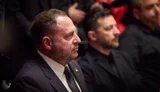 Zelenskyy on Yermak’s resignation: I make decisions focused on strengthening Ukraine President Volodymyr Zelenskyy said that every day he makes important decisions focused on strengthening Ukraine. The resignation of the head of the Presidential Office, Andrii Yermak, is one of them. 5 075 42 Previously in trend: Yermak and Zelenskyy relationships Yermak’s dismissal
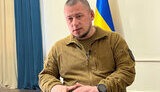 Palisa, Budanov, Fedorov and Shmyhal seen as main contenders to head President’s Office – media As of now, there are at least four contenders in government for the post of new head of the President’s Office after Andriy Yermak’s resignation. 2 822 38 Previously in trend: Personnel changes in government Yermak’s dismissal
 Yermak has half-hour meltdown at Zelenskyy before dismissal – media Before his dismissal, Head of the President’s Office Andriy Yermak reportedly had a "meltdown" at Volodymyr Zelenskyy. 43 366 172 Previously in trend: Yermak’s dismissal Searches at Yermak’s premises
"Letter prohibiting Yermak from leaving Ukraine has been sent to border checkpoints," - Honcharenko (updated) Former head of the Presidential Administration Andrii Yermak may be banned from leaving Ukraine. 70 289 46 Previously in trend: Yermak’s dismissal
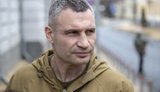 To save the country, government of national unity must be formed from all factions of Verkhovna Rada, - Klitschko To save Ukraine from corruption and Russian aggression, democracy must be restored. In particular, it is necessary to urgently form a government of national unity, as was done in Great Britain and Israel during the war. 1 614 48 Previously in trend: Government of national unity Mindichgate Yermak’s dismissal
Yermak did not believe until end that Zelenskyy would fire him – media The head of the Presidential Office, Andrii Yermak, did not believe until the very last moment that Volodymyr Zelenskyy would dismiss him from his post. 12 217 35 Previously in trend: Yermak’s dismissal Searches at Yermak’s premises
 Week before his dismissal, Yermak wanted to secure Maliuk’s resignation, - media A week before his dismissal from the OP, Andrii Yermak attempted to secure Vasyl Maliuk's resignation from his position as head of the SSU. 67 565 78 Previously in trend: Mindichgate Yermak’s dismissal Searches at Yermak’s premises
 Zelenskyy has not yet decided on candidate for position of head of Presidential Administration, - advisor Lytvyn President Volodymyr Zelenskyy has not yet made a decision on the candidate for the position of head of the Presidential Office, who is to replace Andrii Yermak. 2 707 53 Previously in trend: Yermak’s dismissal
Zelenskyy was my friend before this job, and I will remember him after it, - Yermak Former head of the Presidential Office Andrii Yermak said he does not hold a grudge against President Volodymyr Zelenskyy for his dismissal and stressed that he would not approve anything that contradicts Ukraine's interests. 10 328 137 Previously in trend: Yermak’s dismissal
 Spartz responded to Yermak’s resignation: It took too long Republican Congresswoman of Ukrainian descent Victoria Spartz responded to the resignation of the head of the President's Office, Andrii Yermak. 14 796 133 Previously in trend: Yermak’s dismissal
I am ready to take Yermak into my platoon, he will be an ordinary soldier with no past, - Chornovol Ukrainian Armed Forces combat officer Tetiana Chornovol is ready to take the former head of the Presidential Administration Andrii Yermak into her platoon. 23 964 191 Previously in trend: Yermak’s dismissal Searches at Yermak’s premises
 Yermak’s resignation is society’s achievement, but without notice of suspicion it’s circus – Symoroz Veteran Oleh Symoroz commented on the dismissal of Andriy Yermak as head of the Office of the President, calling it "the achievement of society". At the same time, he noted that Yermak’s dismissal without a formal notice of suspicion looks "like a circus". 4 370 31 Previously in trend: Yermak’s dismissal
 Reset at President’s Office. Why did this happen and what does it mean? | Yurii Butusov. VIDEO Yurii Butusov, platoon commander of the 13th Khartiia Brigade of the National Guard of Ukraine, is going live to analyse the dismissal of Andriy Yermak as Head of the President’s Office. 8 428 41 Previously in trend: Yermak’s dismissal
 Yermak was to travel to US for talks with Witkoff and Trump’s son-in-law – Axios Andriy Yermak resigned as head of the Office of the President of Ukraine one day before he was due to travel to the United States for talks on a "peace deal". 6 035 71 Previously in trend: US peace plan Yermak’s dismissal
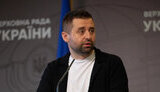 Servant of People faction backs Zelenskyy’s decision to dismiss Yermak – Arakhamiia The Servant of the People faction supports President Volodymyr Zelenskyy’s decision to dismiss Andriy Yermak as Head of the Office of the President. 8 719 103 Previously in trend: Yermak’s dismissal
European Commission on Yermak’s resignation: Monitoring situation, anti-corruption bodies are doing their job The resignation of Head of the Presidential Office Andriy Yermak against the backdrop of searches by NABU and SAPO shows that Ukraine’s anti-corruption bodies are doing their job. Combating corruption is a central element of European integration. 1 730 5 Previously in trend: Yermak’s dismissal Searches at Yermak’s premises
 Zelenskyy dismisses Yermak from post of head of Presidential Office – decree President Volodymyr Zelenskyy has officially dismissed Andriy Yermak from the post of Head of the Presidential Office. 9 674 97 Previously in trend: Yermak’s dismissal
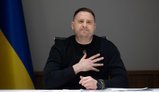 Yermak’s dismissal is Zelenskyy’s smartest move – The Guardian The dismissal of Andriy Yermak as head of the Presidential Office will have far-reaching implications for Ukrainian politics and possibly for talks on ending the war. 8 626 45 Previously in trend: Yermak’s dismissal Searches at Yermak’s premises
Yermak dismissed as head of Presidential Office – Zelenskyy. VIDEO Andriy Yermak has submitted his resignation as Head of the Presidential Office. 29 757 281 Previously in trend: Yermak’s dismissal
 70% of Ukrainians support Yermak’s resignation from post of head of Presidential Office, - poll. INFOGRAPHICS Ukrainians responded to the idea of the resignation of the head of the President's Office, Andrii Yermak. 10 338 80 Previously in trend: Yermak’s dismissal
Telegram channels with millions of subscribers write that Russia is trying to prevent Yermak’s trip to US with Zelenskyy A number of anonymous Telegram channels are spreading posts claiming that Russia is "trying to do everything" to prevent the head of the Presidential Administration, Andrii Yermak, from traveling to the US with President Zelenskyy. 7 118 46 Previously in trend: Yermak’s influence Yermak’s dismissal
Page 1 of 2
more news